

What we do
Battery Storage
Keep your extra energy to use at night or sell it back to the grid.
Solar makes its power in the middle of the day. Most households use theirs in the evening. A battery is simply the bit that moves one to the other.
Gather it while it’s there, keep it for when it isn’t
Without storage, a typical home uses somewhere around half of what its panels make and exports the rest. With a battery, that figure climbs a long way — you are buying far less at the expensive end of the day.
You can still benefit from solar panels without one, especially if you’re home during the day. But adding a battery means you can use your own power in the evenings, and avoid buying electricity at peak rates.
Sized to your house, not to a price list
An oversized battery never fills; an undersized one is empty by nine. We size it from your actual consumption — half-hourly if your meter will give it to us, your bills if not.
If a battery genuinely will not pay for itself on your usage, we’ll say so and save us both an afternoon.
And you can still sell what you don’t use
Anything you don’t use and don’t store can go back to the grid under the Smart Export Guarantee. We’ll explain what applies to you based on your setup and provider.
Battery storage by location
Every place we fit batteries now has a page of its own, written from that place’s facts — which network operator receives the notification, what the housing stock does to the position of the stack, which conservation areas watch the front wall — and a post that works one local question through. The ten towns: Worthing, Shoreham-by-Sea, Littlehampton, Chichester, Brighton & Hove, Horsham, Billingshurst, Storrington & Pulborough, Haywards Heath and Burgess Hill, with East Grinstead, Dorking and Lewes added on 18 October; and the two edges of the patch, Surrey and East Sussex. Three of those places — Billingshurst, Chichester and our own RH20 — notify Scottish and Southern rather than UK Power Networks, and Littlehampton is split between the two; the pages say which.
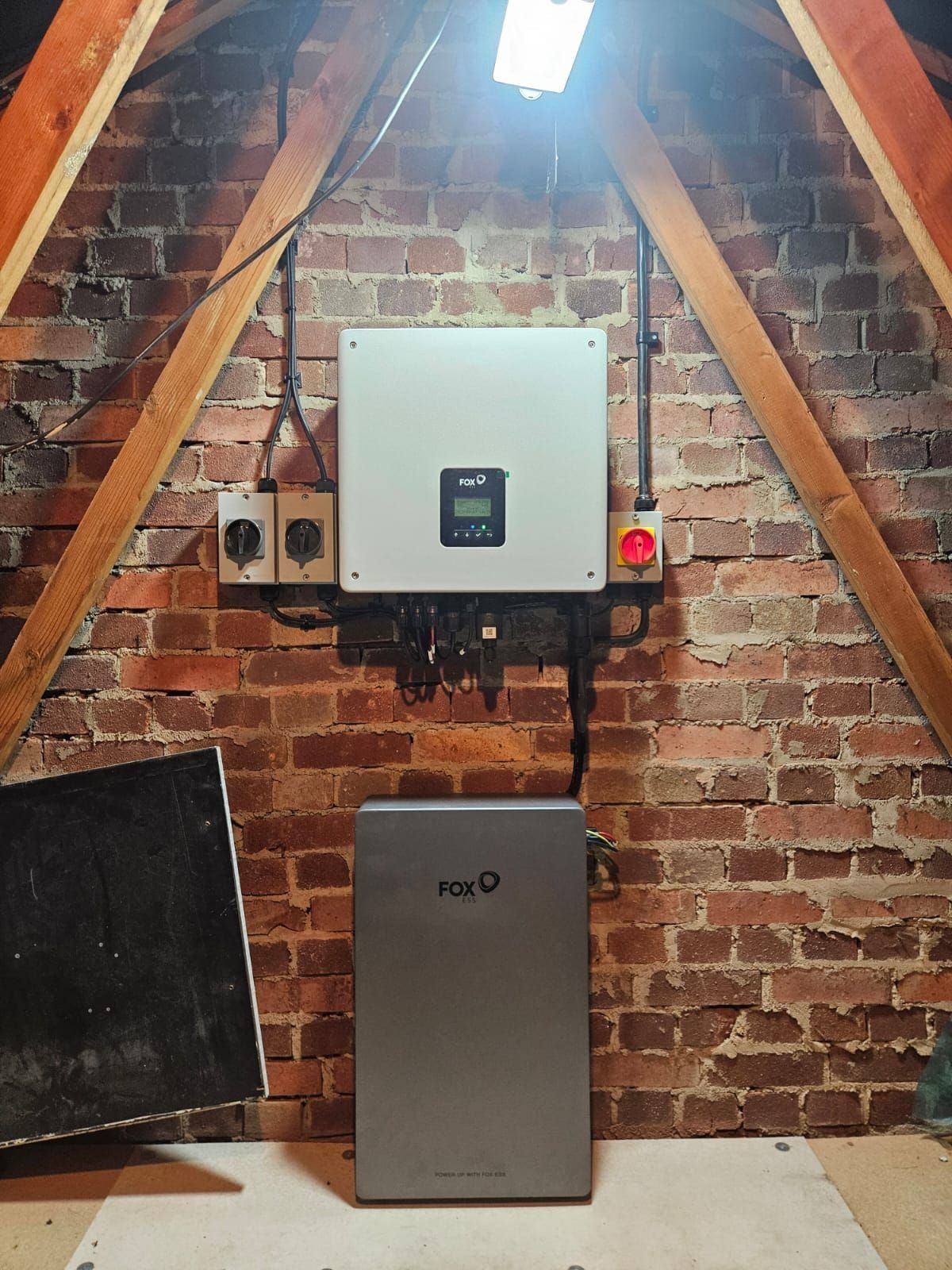
By line as well as by place: each of the four batteries we fit has a page per county saying which houses it suits there — Sigenergy in West Sussex, Surrey and East Sussex; Fox ESS in West Sussex, Surrey and East Sussex; Hanchu ESS in West Sussex, Surrey and East Sussex; EcoFlow PowerOcean in West Sussex, Surrey and East Sussex.
The four questions a battery quote turns on
Where the stack can go is set by PAS 63100, the fire-safety specification home batteries are installed to; which form the inverter needs is G98 or G99, and a battery inverter is often what tips a job from one to the other; what the surplus is worth is the export rate, which is why what exporting actually pays decides whether storing beats selling; and how big it should be comes from your bill, not the roof — how we size a system from your bill. The tariffs themselves, dated, are on export tariffs compared, and what the kit’s paperwork promises is in how to read a solar and battery warranty. The words in all of them are in the glossary.
What we publish about cost and saving
- The cost depends on the size of your home and the amount of energy you use, but most domestic solar panel installations in the UK typically start from around £4,000 to £6,000.
- If you add battery storage, that cost will go up, but so will your savings.
- On average, UK homeowners save £300–£600 per year, sometimes more if you add battery storage or work from home during the day.
This is a modelled figure and it sits a little above the “£4,000 to £6,000” we publish as a typical starting point — your own price comes from the survey, not from this.
Every figure above is quoted whole, with its own caveat attached — the rest of the questions are answered here.
What it looks like when we’re there
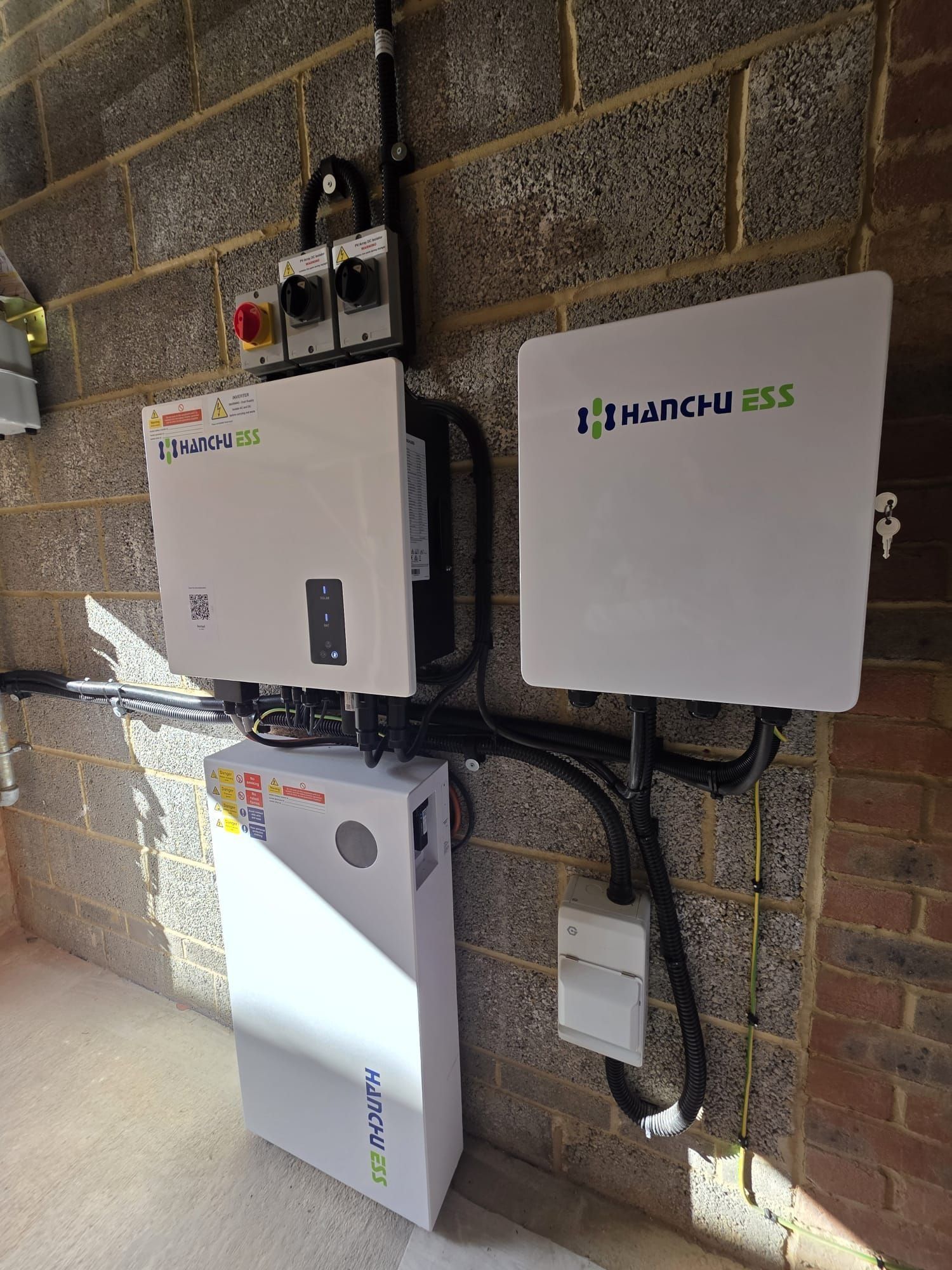
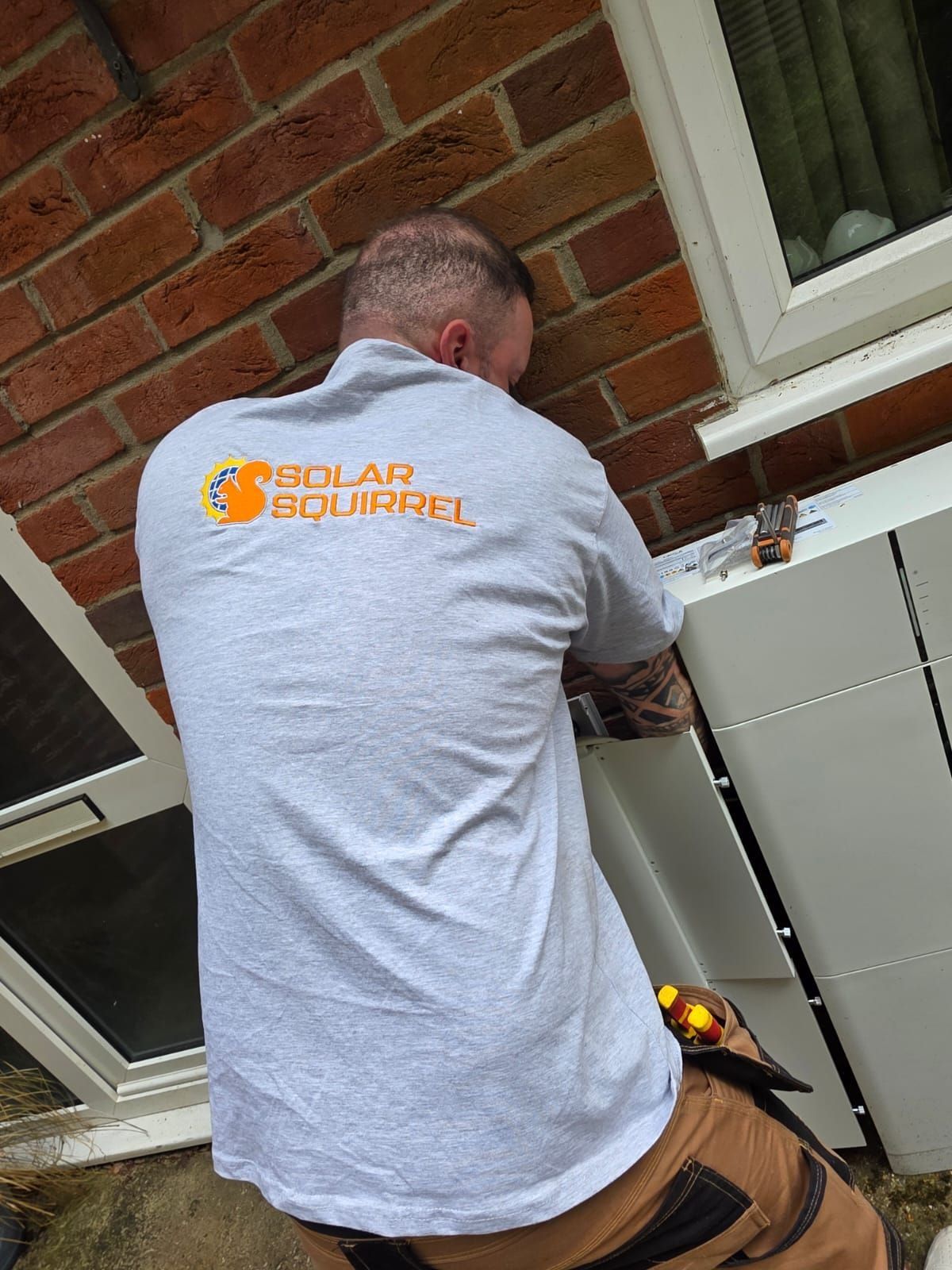
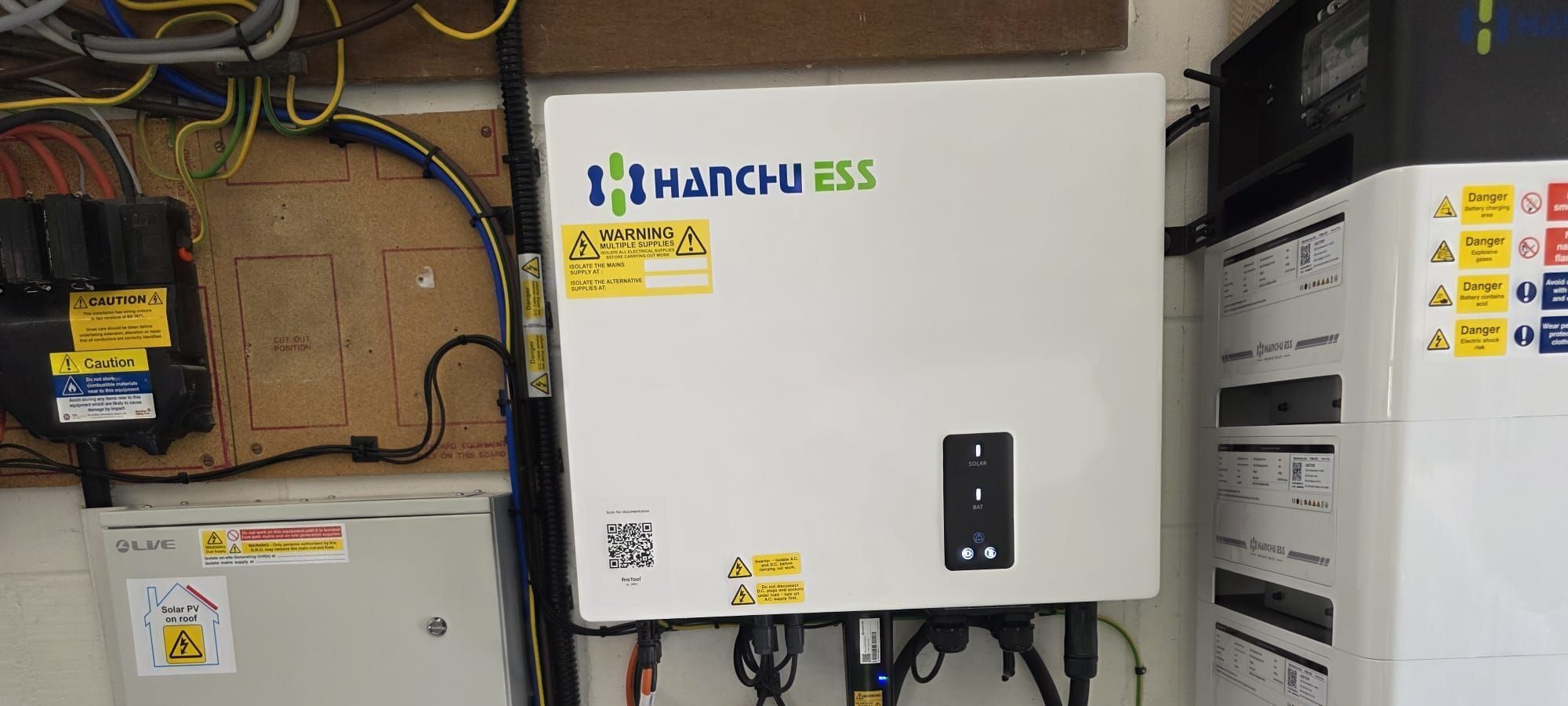
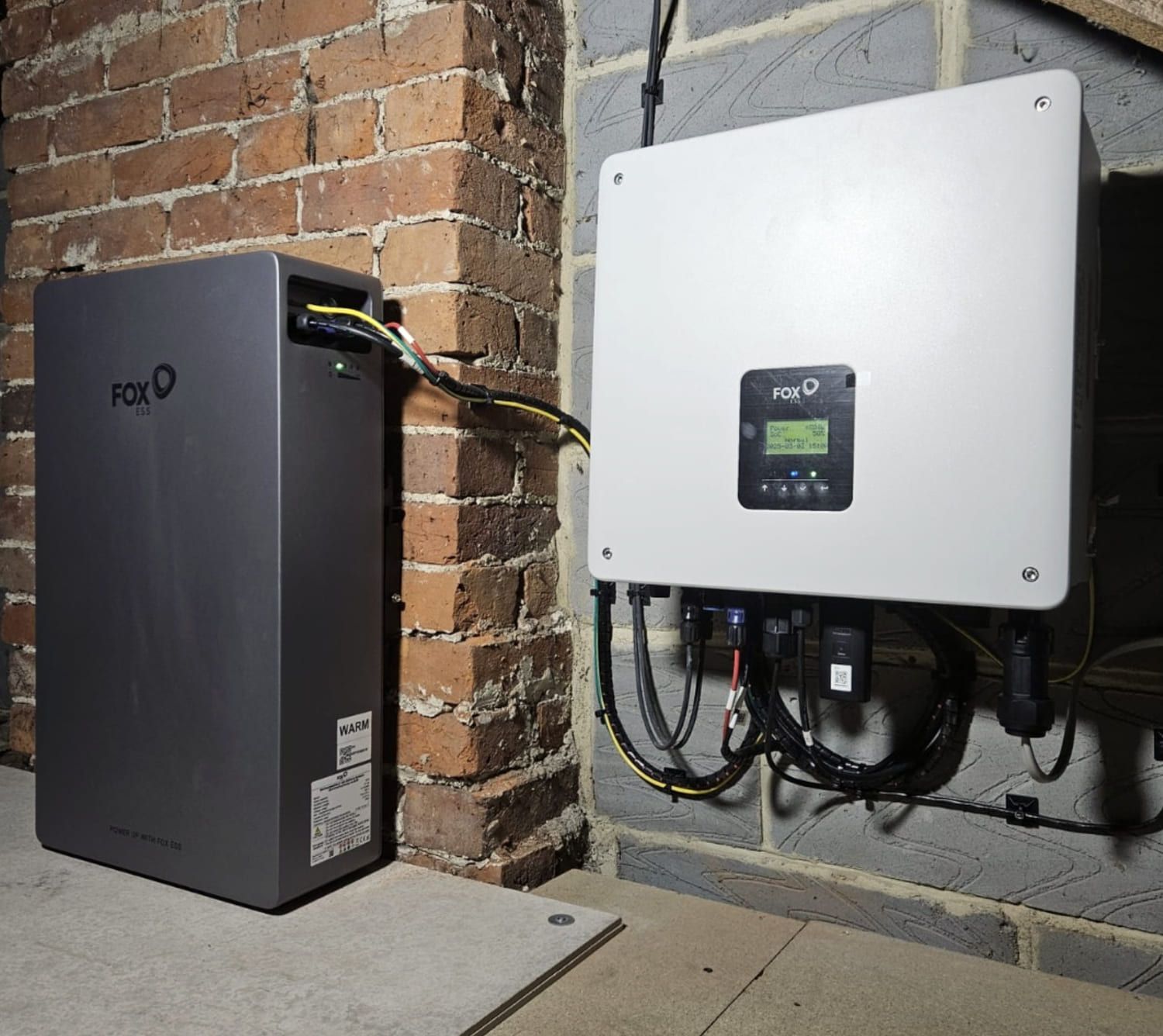
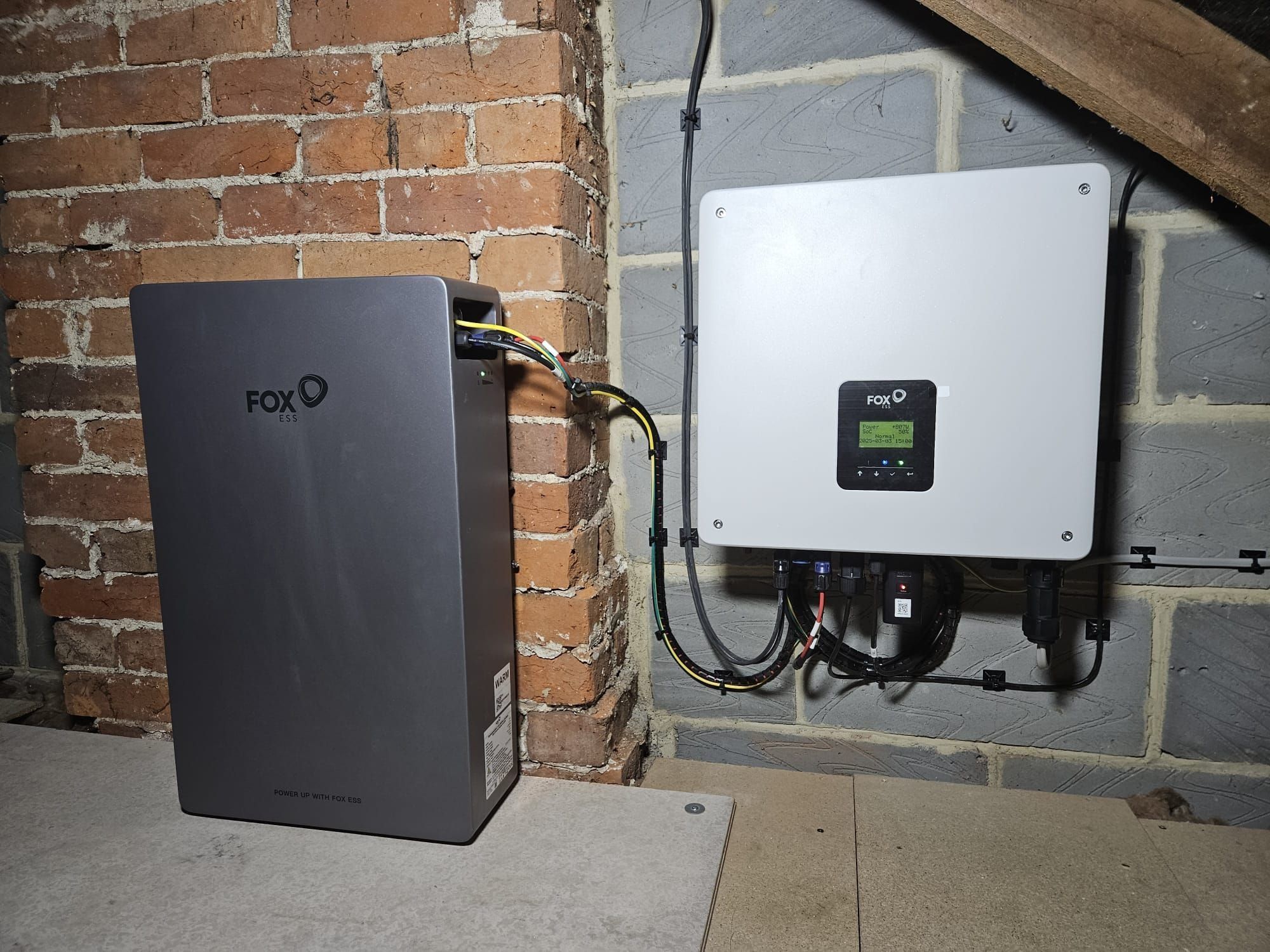
Our own photographs. They show the systems we design and fit — not specific completed jobs, and no customer or address is identified.
Is a battery worth it? The honest arithmetic
A battery roughly doubles how much of your own generation you use. Whether that pays depends on when your house is empty. Here is the arithmetic.
Read it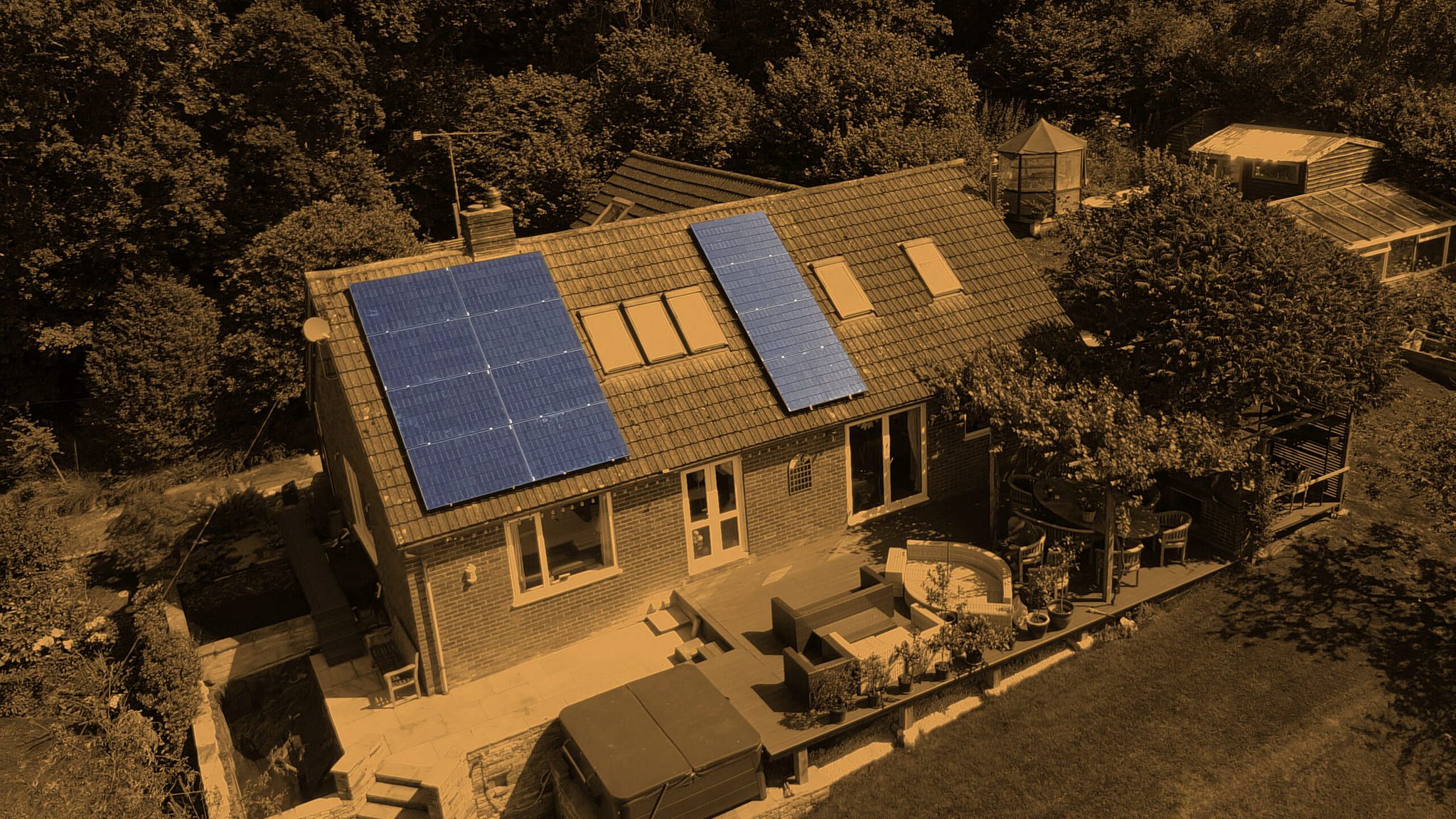
What solar actually does in a Sussex winter
Panels still generate on grey days — just less. What a West Sussex December really looks like on the app, and how to make the short days count.
Read it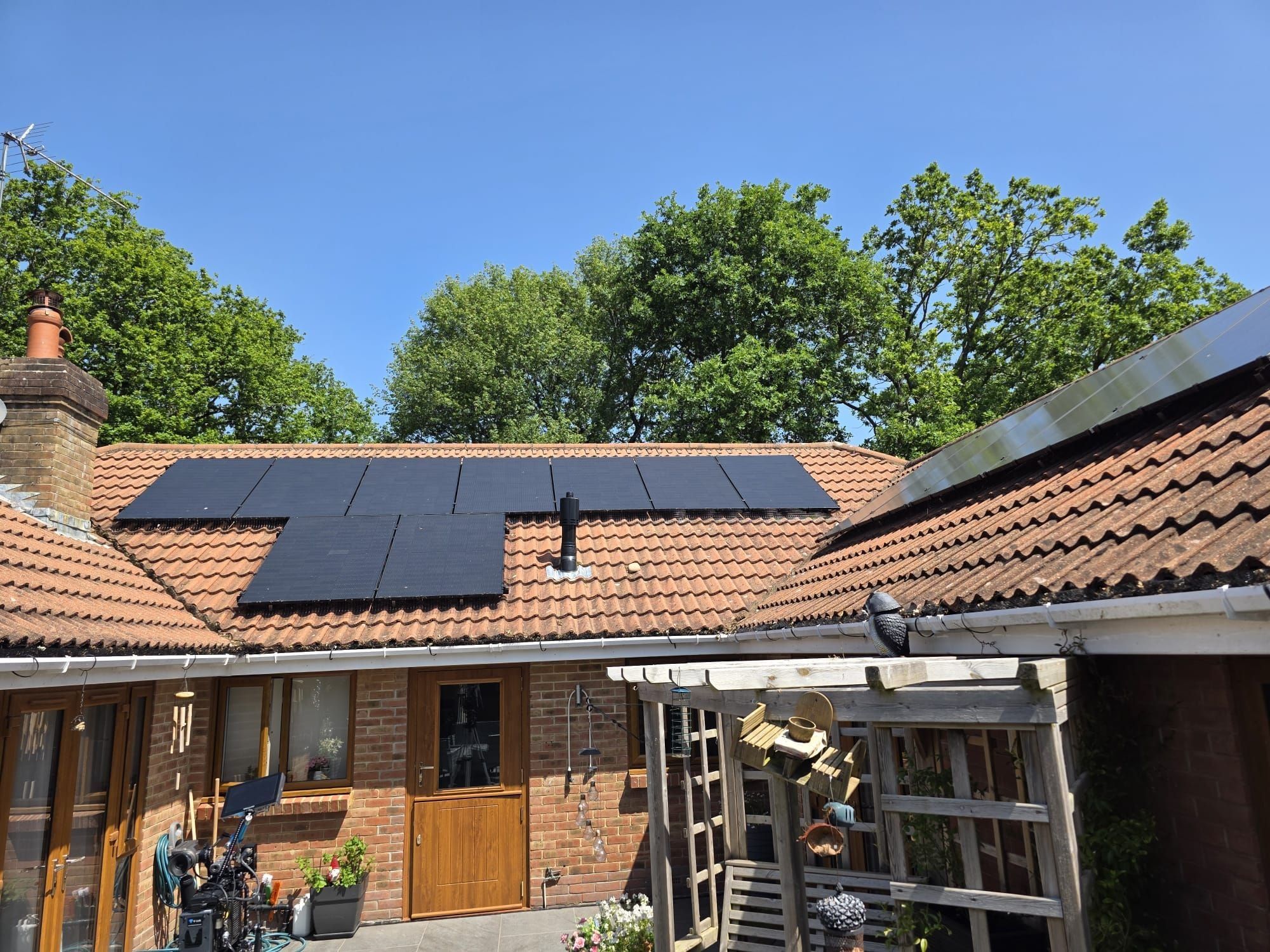
Zero VAT and the Smart Export Guarantee, explained plainly
The two schemes that actually affect what a domestic solar system costs and earns in the UK — what each one is, and what neither of them is.
Read itThe next step
Book your free survey
Thirty to forty-five minutes, at your house, at no cost. We look at the roof, the fuse board and how you actually use the place — then send you a clear quote with the assumptions shown.
- Call 01243 882444
- Email hello@solar-squirrel.co.uk
- Based Washington, West Sussex
If solar genuinely won’t pay for itself on your usage, we’ll say so and save us both an afternoon.
Rather see the numbers before you speak to anybody? Put your own bill on the house — it works out the size, the saving and the payback while you watch, and brings them down to this form with you.