

Money
SEG tariffs: what exporting actually pays, and why that decides the battery
How the Smart Export Guarantee works, what the open tariffs paid as at June 2026, and why a unit kept at home is worth twice one exported.
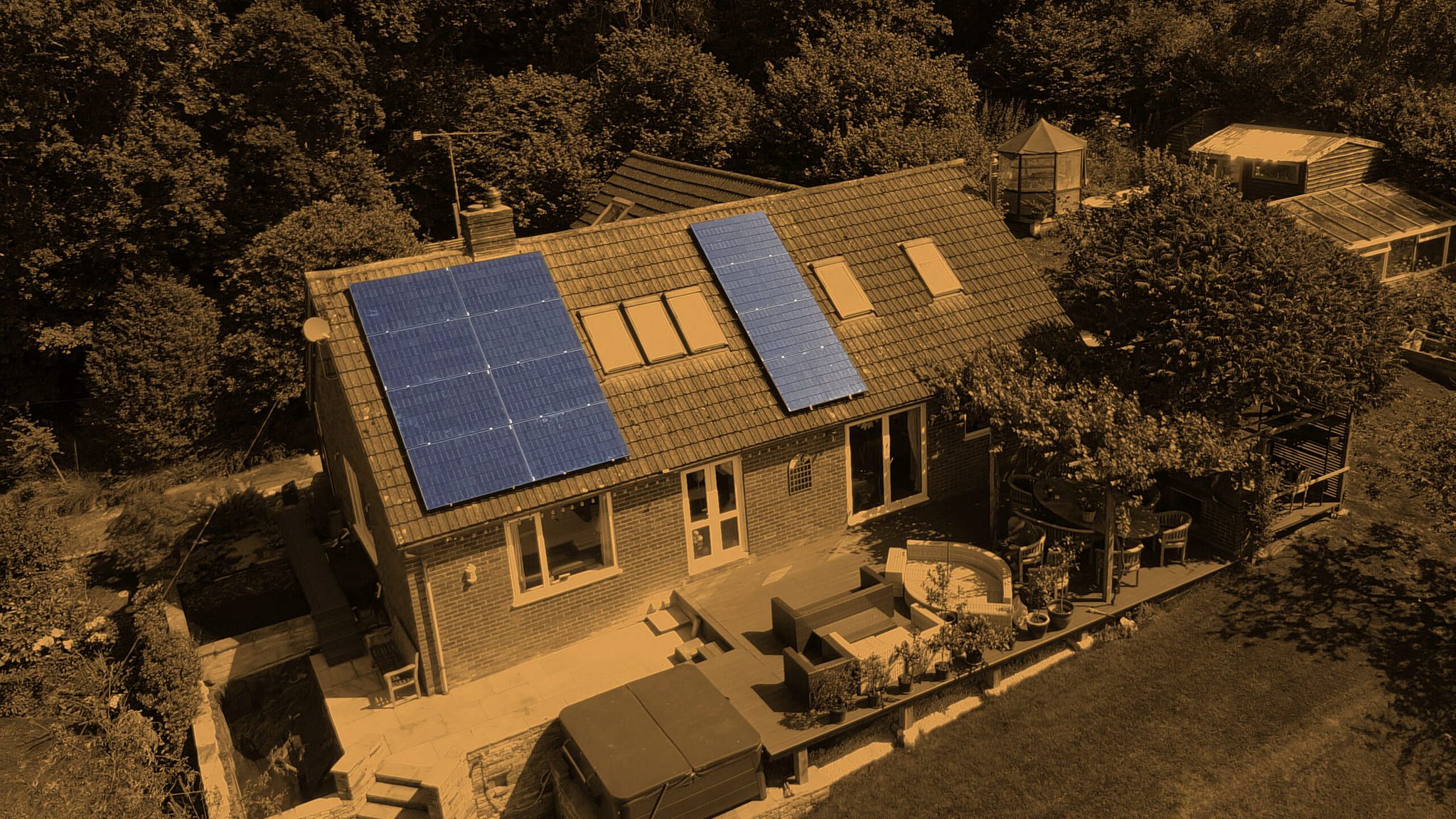
Two arrays on one roof, one of ours. In the middle of a summer day most of what this makes is going out, not in.
Solar makes its power in the middle of the day and most households use theirs in the evening. The electricity you do not use goes out to the grid, and the Smart Export Guarantee is how you are paid for it. This post is the arithmetic of that payment — what the scheme is, what it paid as at our last check, and why the number is the strongest argument there is for storing rather than selling.
What the Smart Export Guarantee is
The SEG launched on 1 January 2020. It is a government-backed scheme under which certain electricity suppliers — SEG licensees — pay small-scale generators for low-carbon electricity they export to the grid. Solar PV is eligible up to 5 MW, which is every domestic system there is. The licensees set the rate, the contract length and the other terms themselves; Ofgem’s rule is only that the rate must always be above zero. Payments are calculated from export meter readings, and your SEG licensee does not have to be the company you buy your electricity from — Ofgem’s own advice is to shop around.
Our maintained tariff reference adds the two eligibility points a quote should carry: suppliers with 150,000 or more domestic customers must offer a tariff, and a licensee will want an MCS-certified installation (or an equivalent scheme) and a meter that can read export half-hourly.
What the open tariffs paid
Rates move on roughly thirty days’ notice, so every figure below is dated: correct as of June 2026, verified on 16 August 2026, and to be checked live before you sign anything.
- Octopus Outgoing (fixed): 12p per kWh, cut from 15p on 1 March 2026 — the plain choice for a solar-only house.
- Outgoing Octopus Prime: 16p between 4 and 7 pm, 9p the rest of the day — only beats the flat rate if you can push export into that window, which in practice means a battery.
- E.ON Next export with import bundling: around 16.5p, for E.ON Next import customers.
- British Gas Export & Earn Plus: around 15.1p, typically for British Gas import customers.
- Good Energy Solar Savings: around 15p, standalone, without switching your import supplier.
- OVO: around 12p; E.ON Next standard SEG: around 10.5p.
- Octopus Flux and Intelligent Octopus Flux: closed to new sign-ups in March 2026. Their historic peaks — up to around 29p and 32p in the 4–7 pm window — are the model for what a battery can earn on a time-banded tariff, not a rate you can sign up to today.
- Installer-bundled exclusives at around 24–25p exist; they are conditional, often time-limited, and not open-market rates.
The arithmetic that decides the battery
Our estimator carries a unit rate of 26.11p for the electricity you buy. Put that next to 12p for what you sell, and a unit of your own solar is worth more than twice as much kept at home as exported. Without storage a typical home uses somewhere around half of what its panels make — our calculator assumes 48% — and exports the rest at the export rate. With a battery sized to the evening load that self-use figure climbs to around 85% in the same model. The gap between those two numbers, priced at 26p rather than 12p, is most of what a battery is for.
Two honest caveats. The time-of-use export tariffs reward a battery twice, by letting it hold the day’s surplus and release it into the paid window; whether that is worth doing depends on the tariff staying open and on your house having the evening load to use the rest. And a battery that is too big for the house never fills. We size from your half-hourly consumption or your bills, and if the arithmetic does not support one, we say so.
Where to go next
Zero VAT and the SEG covers the tax side; is a home battery worth it? is the longer sums; the cost pages for Surrey and East Sussex carry a worked example at the region’s own yield with the export line shown; and the savings calculator will run your own bill through the same model. The full dated table of every tariff we track — open, closed and installer-bundled — is on export tariffs compared. The terms — kWp, kWh, export meter, self-consumption — are in the glossary.
More from the blog
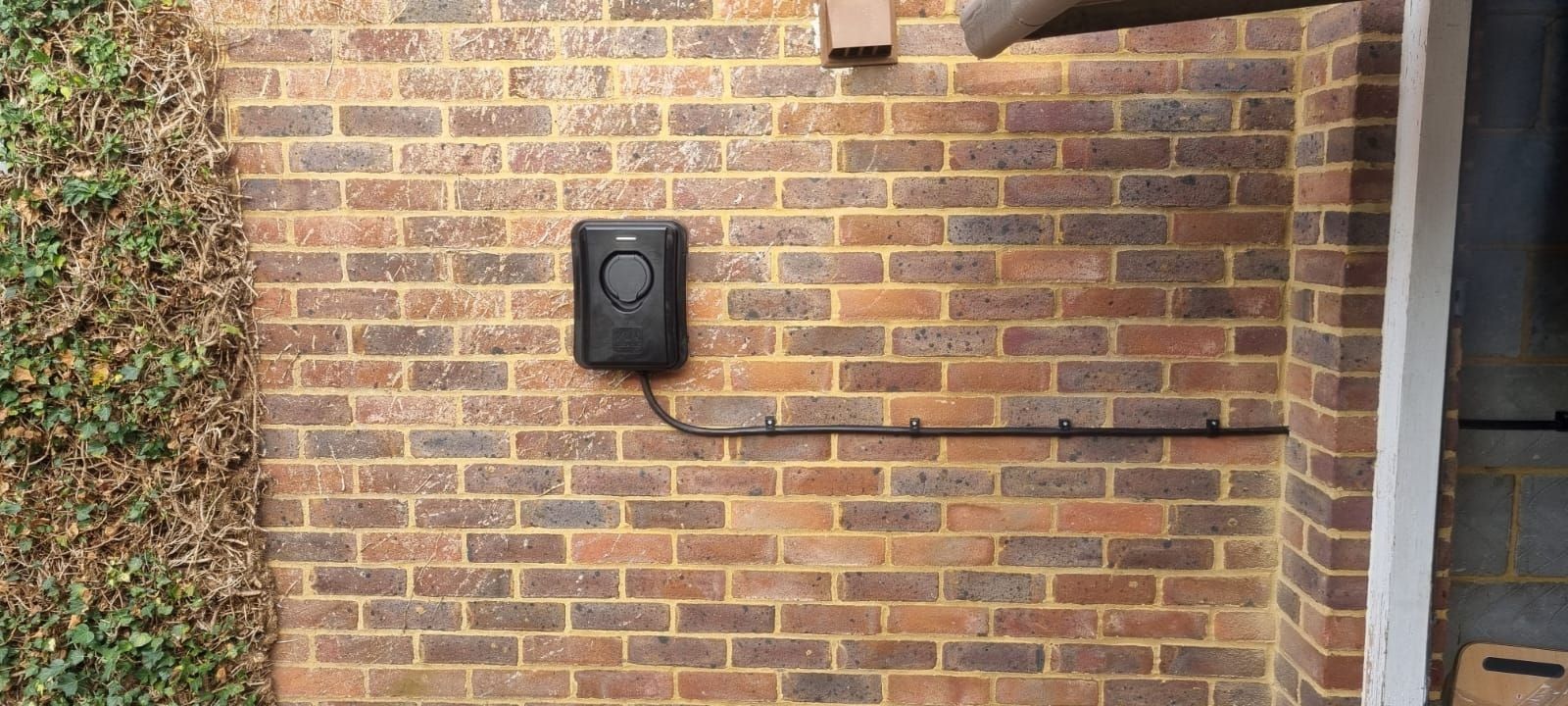
Charging an electric car in a Brighton terrace: the public network, and the home-charger cases
Over 1,000 public chargepoints, 86% of residents without off-street parking within a three-minute walk — and when a Brighton house can have its own.
Read it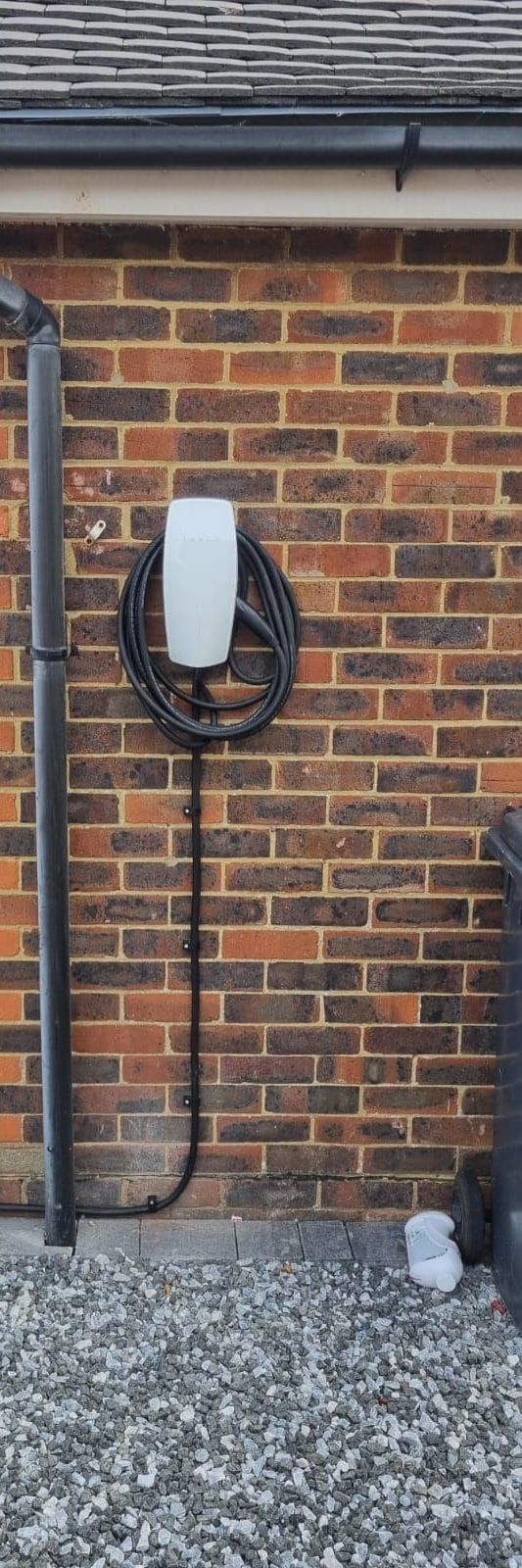
EV charger installation in Surrey: the rollout, the cable-gully rule and what a home charger needs
What Surrey has built and banned — 200-plus public sockets, no cables across the pavement — and what a home charger on the Surrey edge involves.
Read it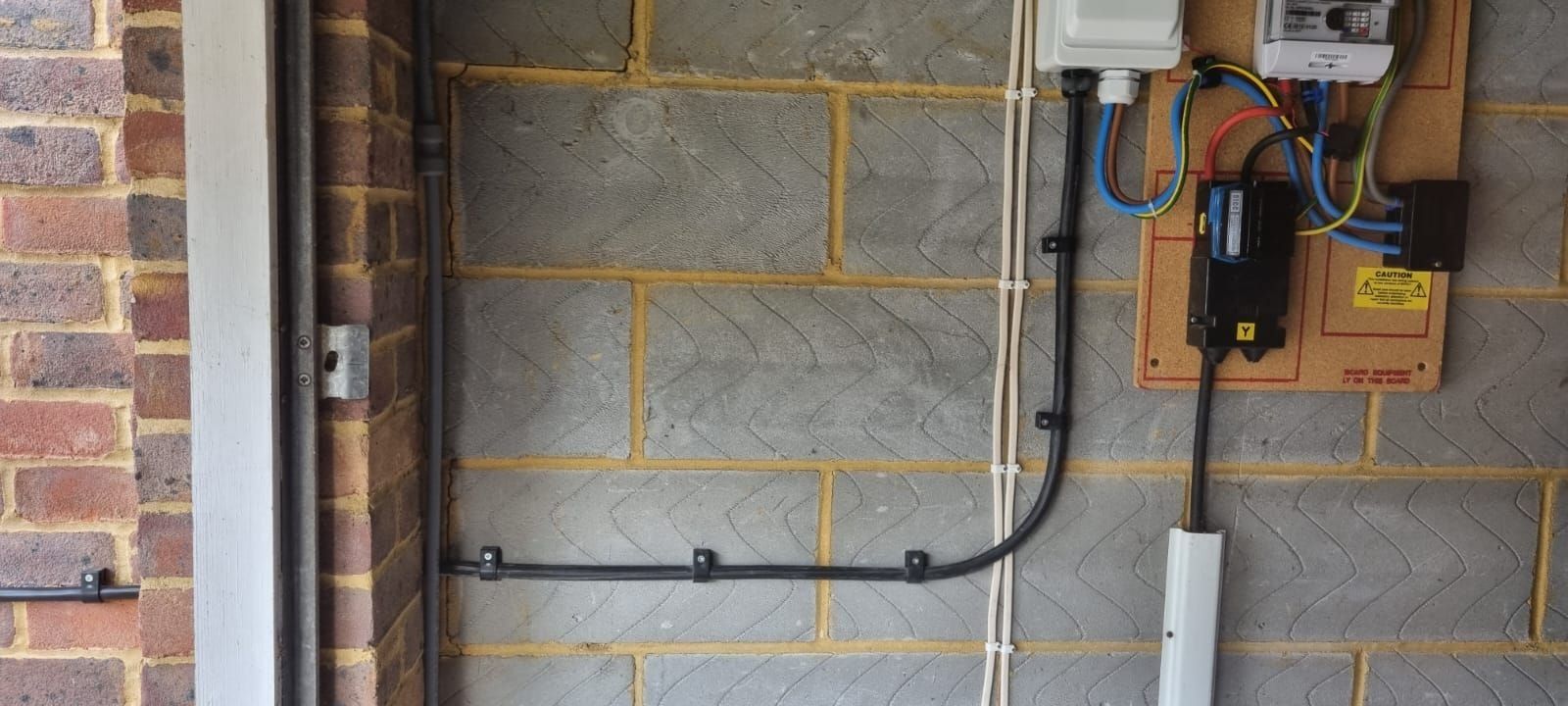
A home charger in a Worthing terrace: parking, the supply and the grant
Three Worthing houses — a semi with a drive, a terrace with a rear space, a terrace on the street — and what each can do about charging a car at home.
Read it