

Batteries
Is a battery worth it? The honest arithmetic
A battery roughly doubles how much of your own generation you use. Whether that pays depends on when your house is empty. Here is the arithmetic.
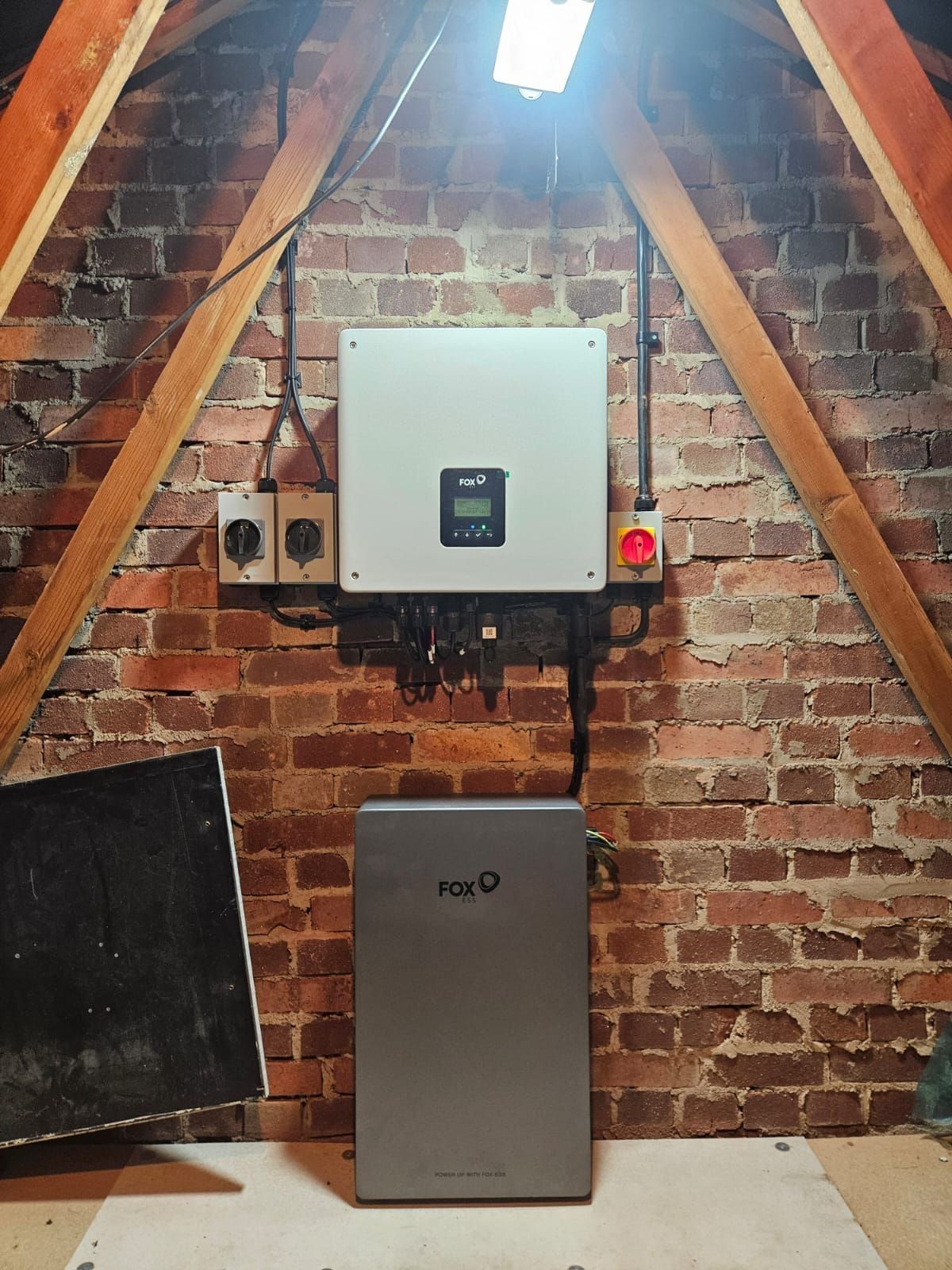
Battery and inverter up in the loft, out of everyone's way.
Solar panels make their power in the middle of the day. Most households use most of theirs between five and ten in the evening. That mismatch is the entire argument for a battery, and everything else is detail.
The number that decides it
Without storage, a typical household directly uses somewhere around half of what its panels generate. The rest is exported to the grid, where it earns the Smart Export Guarantee rate — real money, but a fraction of what you pay to buy electricity back a few hours later.
With a battery, that self-use figure climbs a long way. You are no longer selling at the low rate in the afternoon and buying at the high rate in the evening; you are simply using your own.
The gap between those two rates is where a battery’s entire return lives. When the gap is wide, a battery is compelling. When it narrows, it isn’t.
Who it suits, and who it doesn’t
A battery usually makes sense if: the house is empty during the working day, your evening consumption is substantial, you have an electric car charging overnight, or you are on a tariff with a meaningful cheap-rate window you could fill.
A battery is harder to justify if: somebody is home all day using power as it is generated, your consumption is genuinely low, or your array is small enough that there is not much surplus to store in the first place.
That last one catches people out. A battery cannot store electricity that was never generated. On a modest array with high daytime use, there may be very little left over to put in it.
Sizing, honestly
An oversized battery never fills — you have paid for capacity that sits empty most of the year. An undersized one is flat by nine o’clock and you are back on the grid for the rest of the evening.
We size it against your actual consumption. Half-hourly data from your meter if we can get it, twelve months of bills if we cannot. Not a round number off the back of the van.
What we tell people
If the numbers do not stack up for your house, we will say so. It is a large part of the cost of a system, and recommending one to somebody it will not suit is the fastest way to make sure they tell their neighbours about us for the wrong reason.
Every one of these figures is worked through properly at the free survey, with the assumptions written down where you can argue with them.
More from the blog
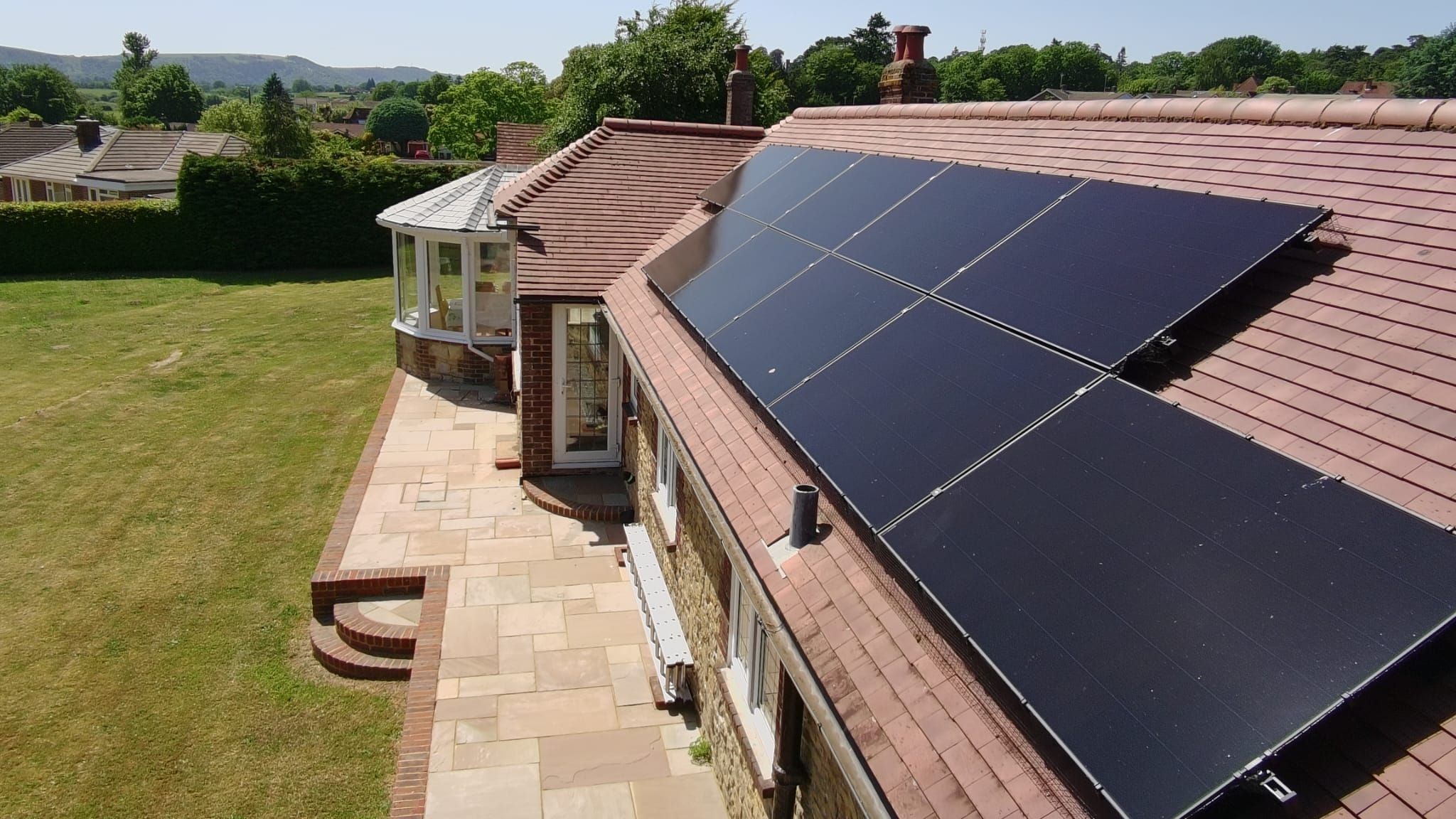
Why nearly every roof we do now is all-black
Black frames, black backsheets and why the silver grid disappeared from Sussex roofs. What you gain, what it costs, and when it isn't worth it.
Read it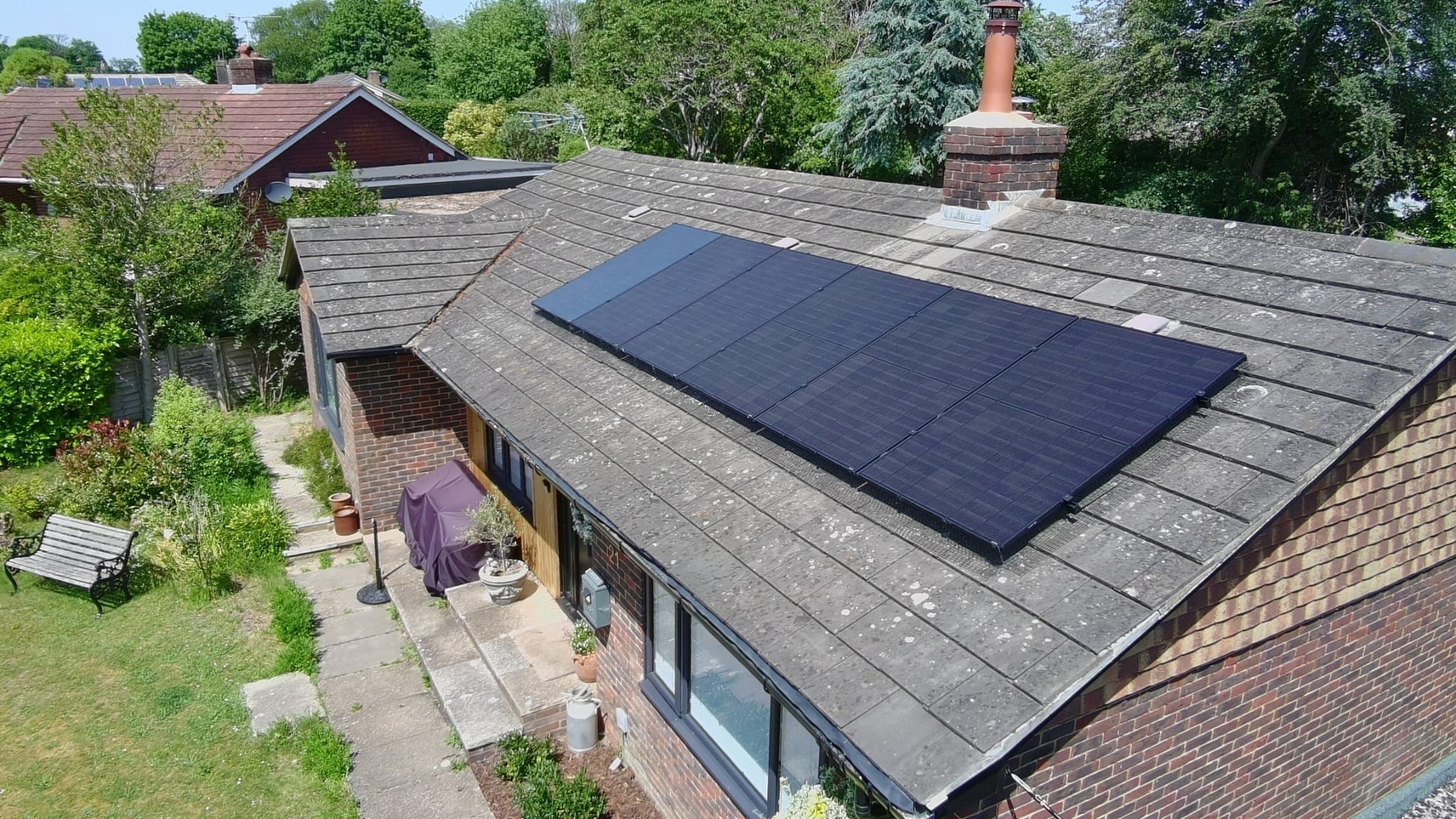
Horsham stone, flint and the Sussex roof problem
Some local roofs make solar straightforward. Others need a different conversation entirely. A survey-level guide to what we find on West Sussex roofs.
Read it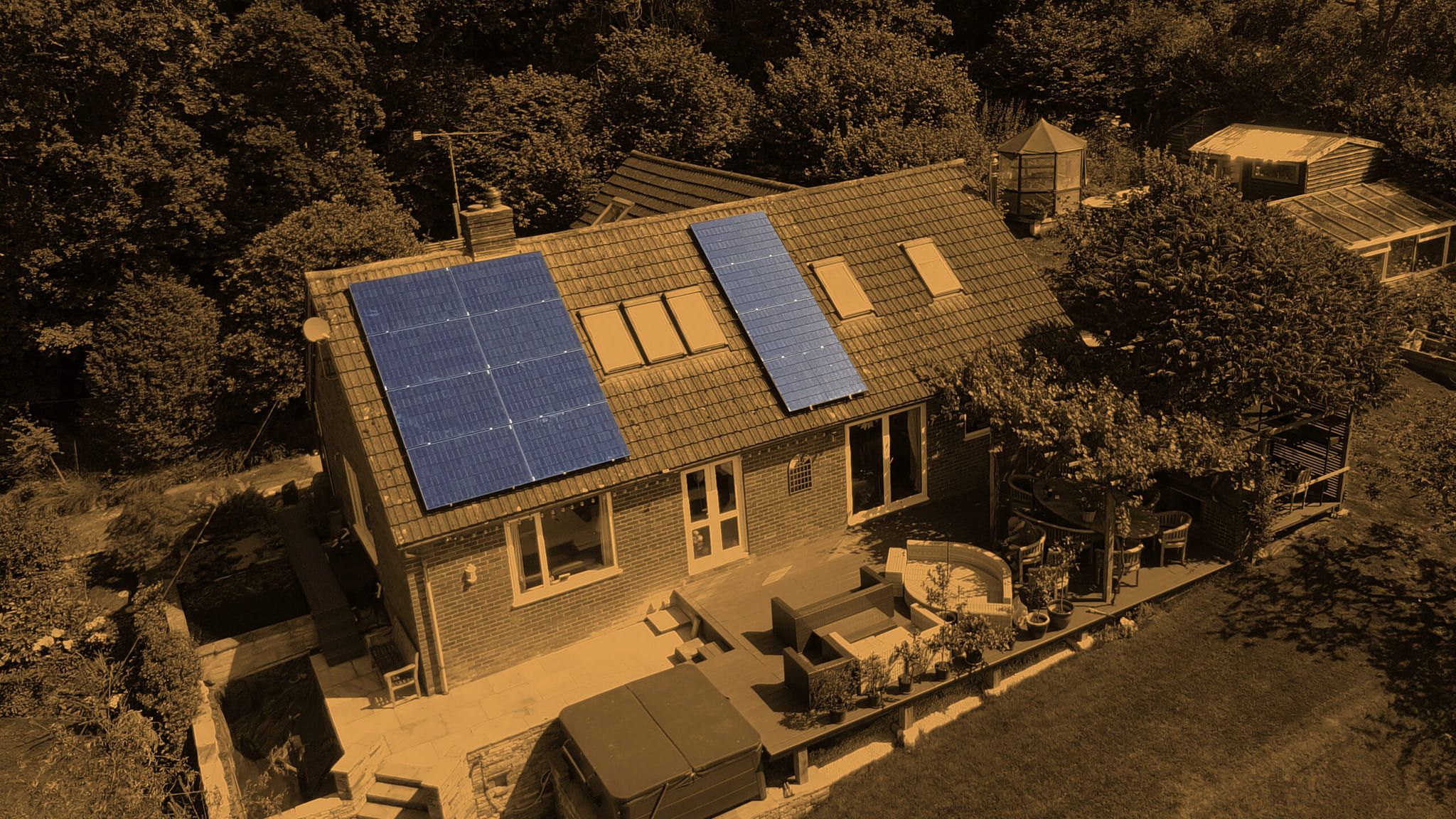
What solar actually does in a Sussex winter
Panels still generate on grey days — just less. What a West Sussex December really looks like on the app, and how to make the short days count.
Read it