

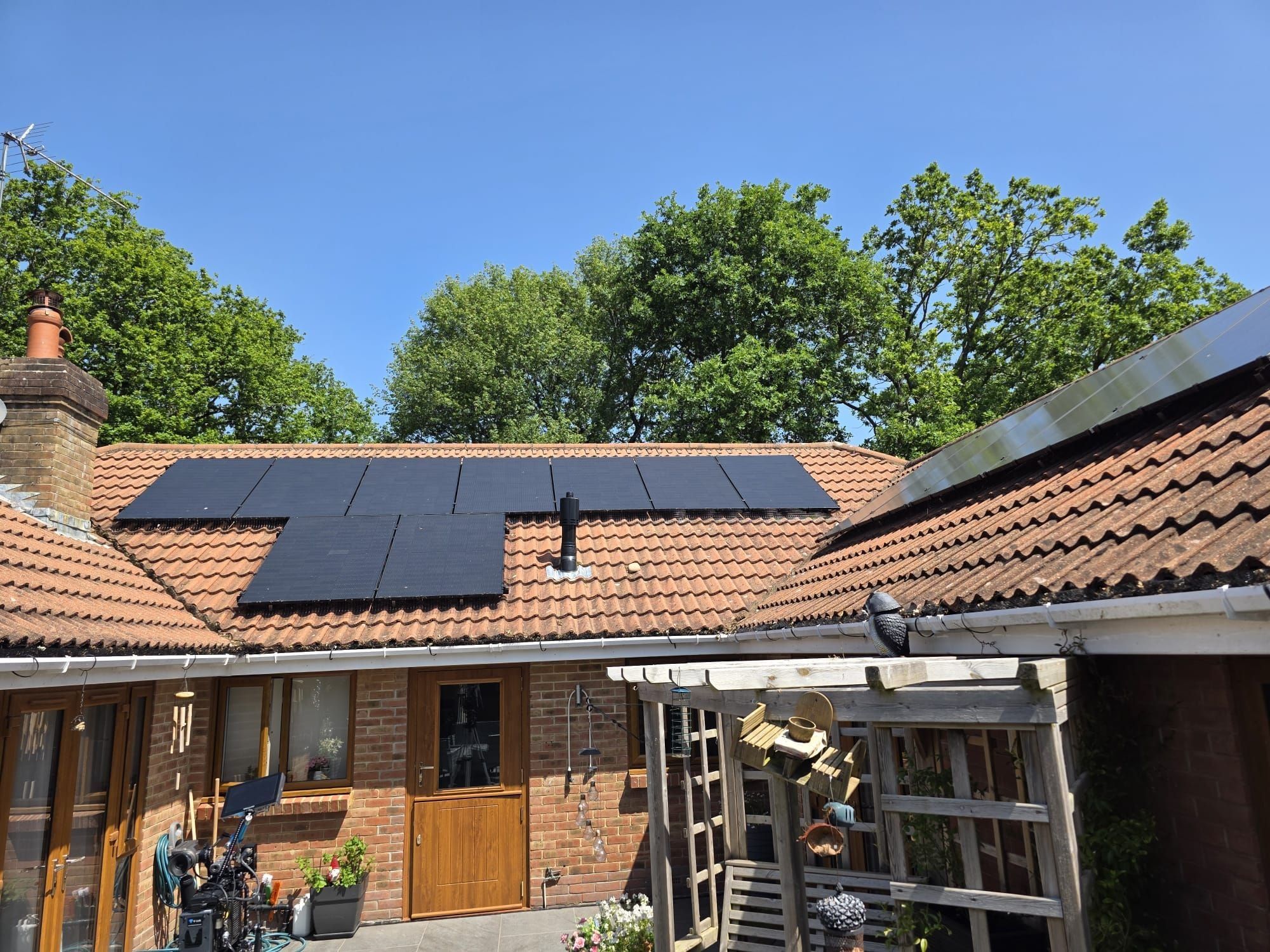
Money
Zero VAT and the Smart Export Guarantee, explained plainly
The two schemes that actually affect what a domestic solar system costs and earns in the UK — what each one is, and what neither of them is.
What a system costs and what it earns are two separate schemes. They get conflated constantly.
There is a lot of noise about solar “grants” in the UK, most of it out of date or referring to schemes that closed years ago. Two things genuinely apply to a domestic installation today, and it is worth being precise about both.
Zero VAT
Domestic solar panels and battery storage currently attract zero-rate VAT rather than the standard rate.
What that means in practice: it is already in the price you are quoted. There is no form to fill in, nothing to claim back, and nobody to apply to. A reputable installer’s quote for a domestic install simply has no VAT line on it.
Where it occasionally matters is on mixed jobs — if a quote covers both solar work and unrelated general electrical work, the two parts can be treated differently. If your quote has a VAT element on it and you were not expecting one, that is a perfectly reasonable thing to ask about.
The Smart Export Guarantee
The SEG is the mechanism by which you are paid for electricity you export to the grid.
Larger energy suppliers are obliged to offer an export tariff. You choose one — and importantly, it does not have to be the supplier you buy your electricity from. The rates vary considerably between suppliers and they change, which is precisely why it is worth looking rather than accepting the first offer.
To be eligible you generally need an MCS certificate for the installation and an export-capable meter. The certificate is part of what we do; the meter is usually a conversation with your supplier.
What neither of these is
Neither is a grant toward the cost of the system. The Smart Export Guarantee pays you for exported units over time. Zero VAT is a tax treatment. Neither writes you a cheque up front.
Neither is the Feed-in Tariff. The FiT closed to new applicants in 2019. It paid generously for every unit generated, exported or not. If somebody quotes you FiT-era returns, they are quoting a scheme that no longer exists.
The honest bit about export
Export rates are lower than what you pay to import — usually a good deal lower. That gap is exactly why using your own generation, rather than selling it, is where the value sits, and it is the entire argument for home battery storage.
Export is a useful supplement. It is not the return on the system.
What this means at the edges of the patch
The two schemes apply the same way everywhere, but the sum they feed into does not, because the yield changes with the county. We have worked it through with the official PVGIS figures for solar panel cost in Surrey and solar panel cost in East Sussex, with the export rate dated and every assumption shown — and the honest list of what is and is not a grant in each county sits beside them.
These schemes change. We will explain what applies to your setup and your provider at the survey — and if something has moved since this was written, we will tell you that too.
More from the blog
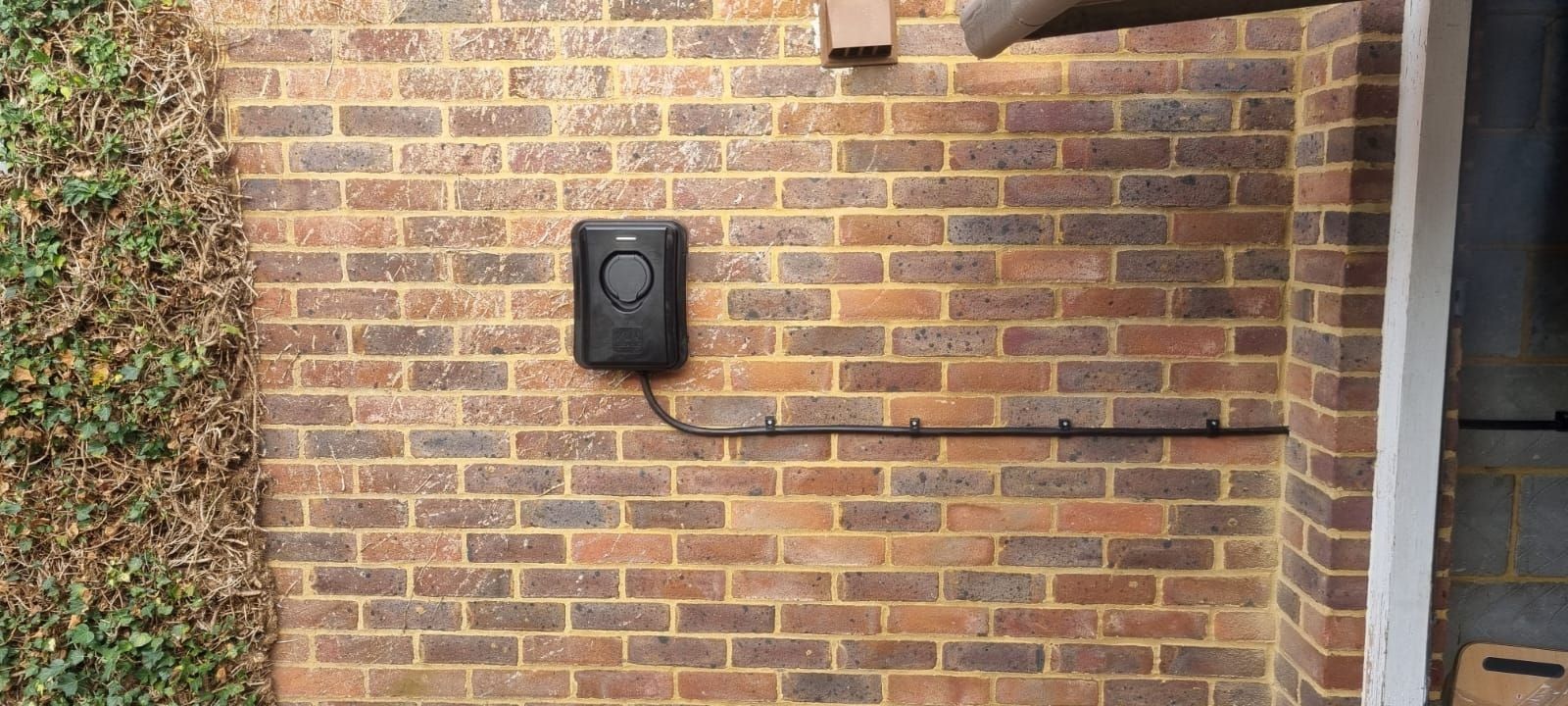
Charging an electric car in a Brighton terrace: the public network, and the home-charger cases
Over 1,000 public chargepoints, 86% of residents without off-street parking within a three-minute walk — and when a Brighton house can have its own.
Read it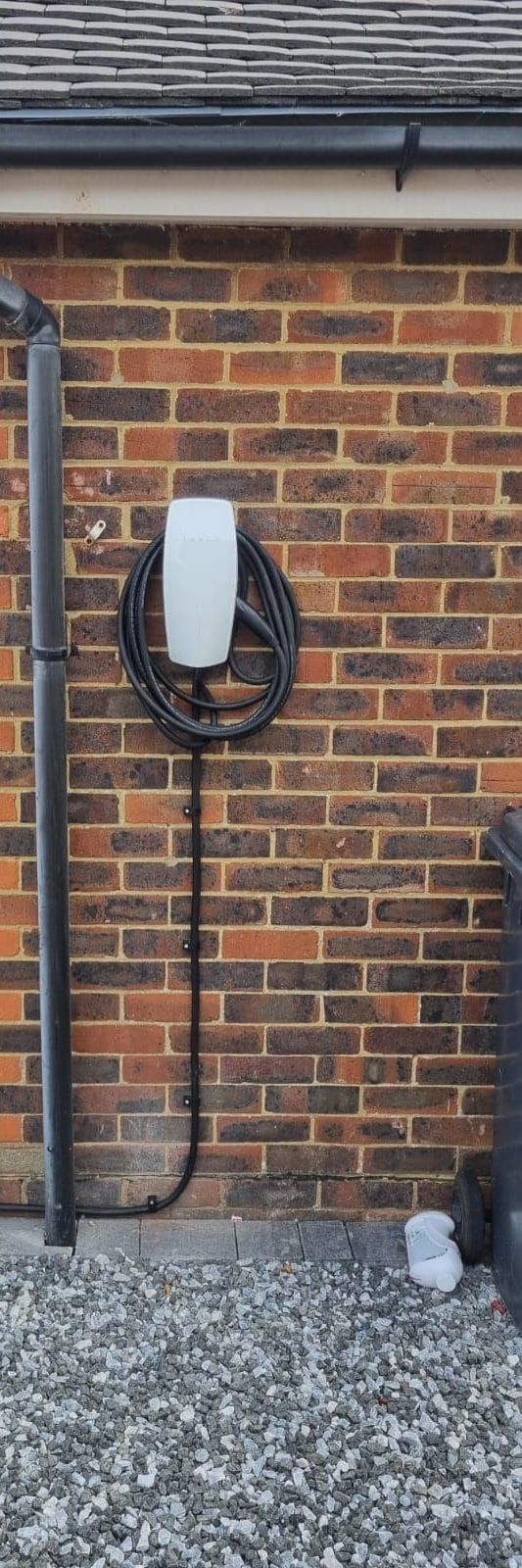
EV charger installation in Surrey: the rollout, the cable-gully rule and what a home charger needs
What Surrey has built and banned — 200-plus public sockets, no cables across the pavement — and what a home charger on the Surrey edge involves.
Read it
A home charger in a Worthing terrace: parking, the supply and the grant
Three Worthing houses — a semi with a drive, a terrace with a rear space, a terrace on the street — and what each can do about charging a car at home.
Read it