

Buying
How to read a solar and battery warranty before you sign
Product versus performance, years versus throughput, the retention point, who honours what — and why the terms for your kit come with the quote.
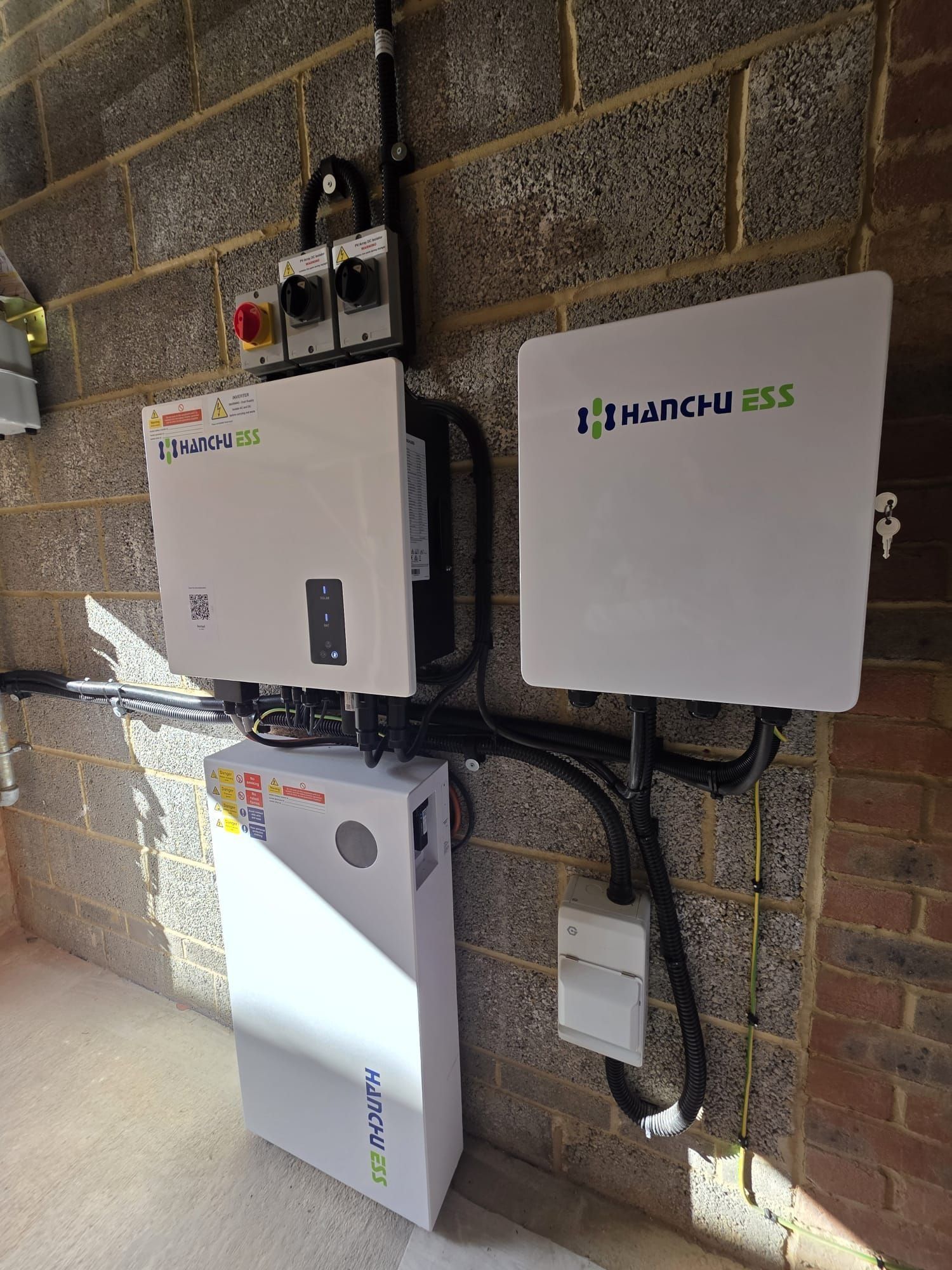
An inverter, gateway and battery on one wall, from one of our own installations. Three pieces of kit, three warranties, and they do not run the same length.
Our own answer to the lifespan question, on the FAQs page, is deliberately plain: “Most panels last 25–30 years, and many come with warranties of 20+ years. Inverters and batteries might need replacing sooner, but we’ll talk you through it all.” This post is the talking-through. You will notice it carries no warranty figure for any particular make. That is not an oversight — terms differ by model, by configuration and by the date you sign, so we quote the live document for the exact kit we propose rather than a number that may have moved. What follows is how to read that document.
Product warranty and performance warranty are different promises
A product warranty says the thing will not fail through a defect for a stated number of years. A performance warranty, which panels usually carry, says the panel will still produce at least a stated share of its original output after a stated number of years — a curve, not a cliff. Read both. A long product term with a weak performance line is a different promise from the reverse, and the marketing headline is usually the larger of the two numbers.
For a battery, years are only half the term
Battery warranties almost always carry a second condition alongside the years: how much energy has passed through the cells, expressed as a cycle count or a throughput in kilowatt-hours, whichever is reached first. And the cycle figure is quoted to a retention point — the percentage of original capacity the cell is warranted to keep after that many cycles at a stated temperature. A bigger cycle number is only better if the retention point and the temperature it is measured at are the same. Two batteries with “the same” ten-year warranty can be warranting quite different things.
The inverter is the part most likely to be replaced first
Panels sit still; inverters work. Their warranties are typically shorter than the panels’, which is why our FAQ says inverters and batteries “might need replacing sooner”. Ask what the inverter term is, whether it can be extended, and whether the extension is bought from the manufacturer or the installer.
Who honours which part
Three parties can stand behind one system: the manufacturer (the product and performance terms), the installer (the workmanship — the mounting, the wiring, the certificate) and, where the installation was certified under a scheme, that scheme’s consumer protection. Ask which of the three you would ring for a failed panel, a leaking roof penetration and a dead battery module, and what happens to each promise if one of the parties ceases trading. The manufacturer registrations should arrive in your name, not the installer’s.
What we put in front of you
With the quote, you get the current datasheet and warranty terms for the exact configuration we propose, and we go through the conditions before you sign — the retention point, the temperature, the throughput cap, the registration, and who you ring. Our own modelling is conservative on purpose: the savings calculator assumes output falls by 0.5% a year across a 25-year horizon, which is the kind of curve a performance warranty describes, and it says so in its assumptions panel.
Five questions for any installer
- Is the headline number the product term or the performance term — and what is the other one?
- For the battery: years, cycles or throughput, and to what retention point at what temperature?
- What is the inverter’s term, and can it be extended?
- Who honours workmanship, and for how long?
- Will the registrations be in my name, and will I get the warranty documents with the quote rather than after the install?
Where to go next
What to ask about a Fox ESS system and Sigenergy, Fox ESS and Hanchu compared are the make-by-make versions of the same questions; is a home battery worth it? is the sums the warranty has to outlast; the products pages describe each line we fit without a figure we cannot source. The terms — retention point, cycle life, performance warranty — are in the glossary.
More from the blog
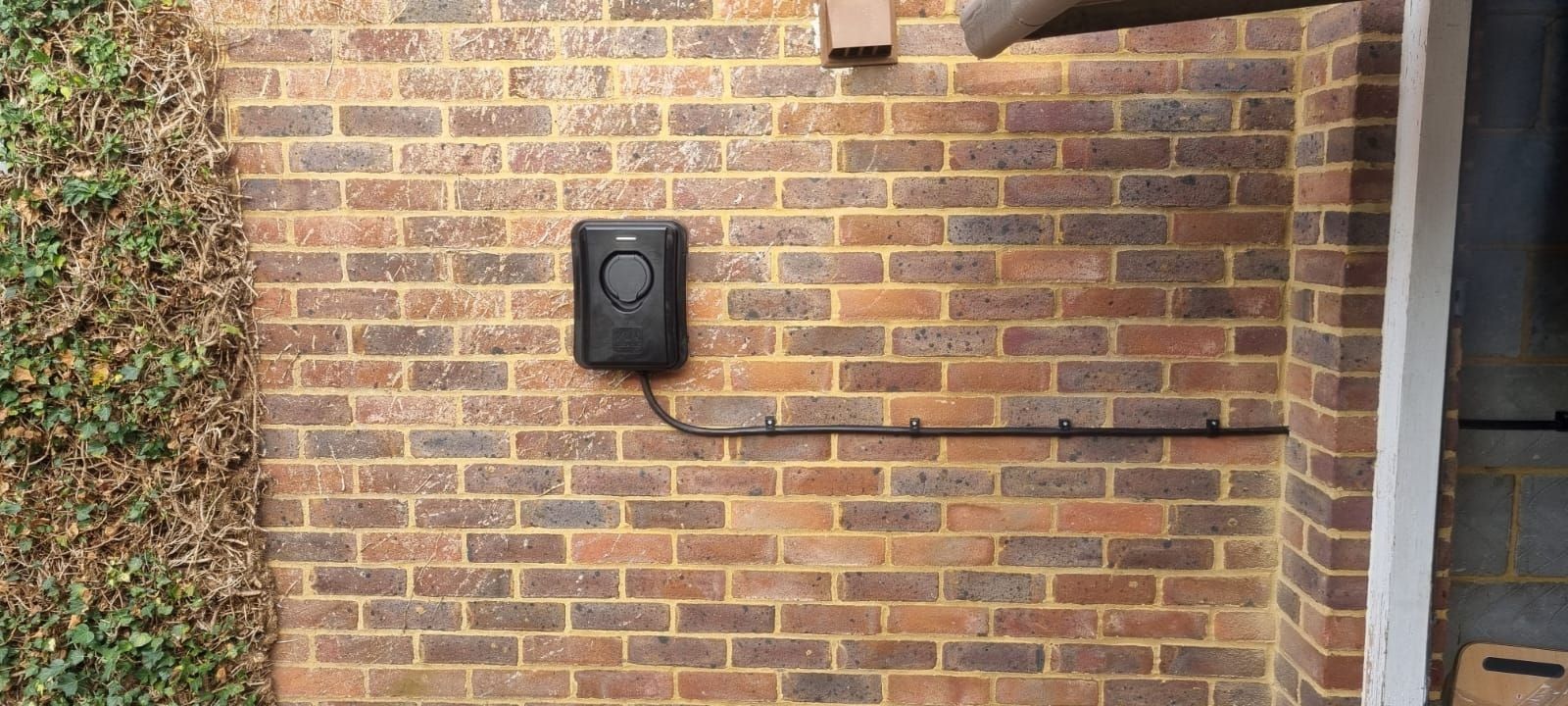
Charging an electric car in a Brighton terrace: the public network, and the home-charger cases
Over 1,000 public chargepoints, 86% of residents without off-street parking within a three-minute walk — and when a Brighton house can have its own.
Read it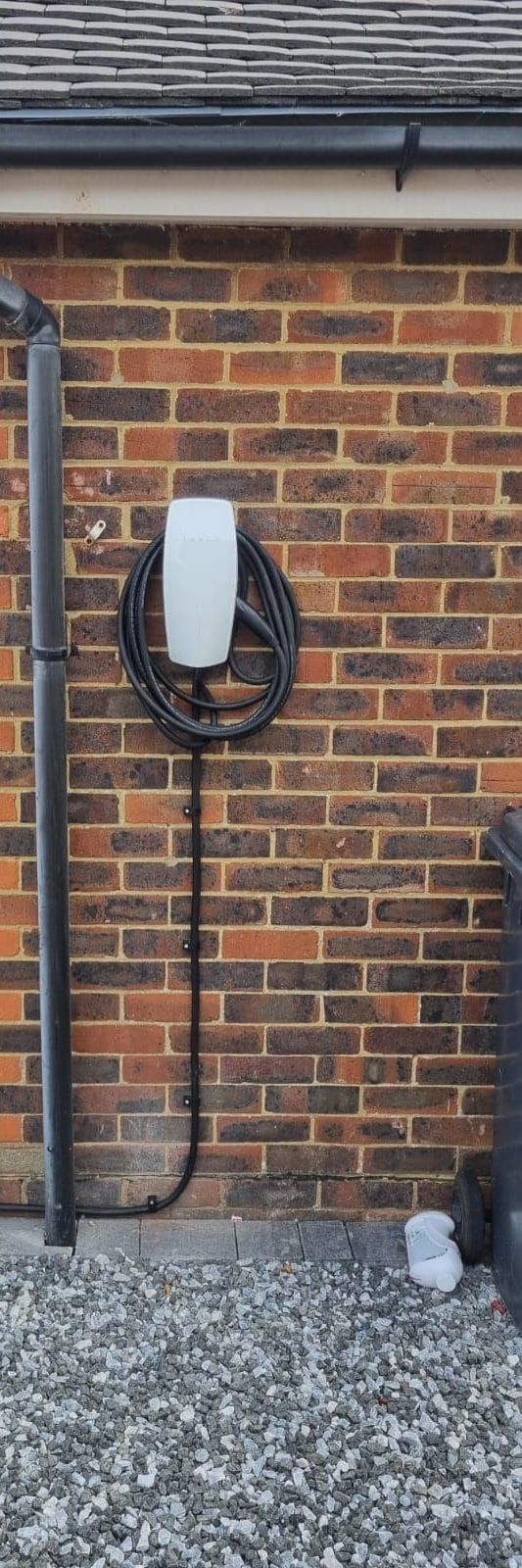
EV charger installation in Surrey: the rollout, the cable-gully rule and what a home charger needs
What Surrey has built and banned — 200-plus public sockets, no cables across the pavement — and what a home charger on the Surrey edge involves.
Read it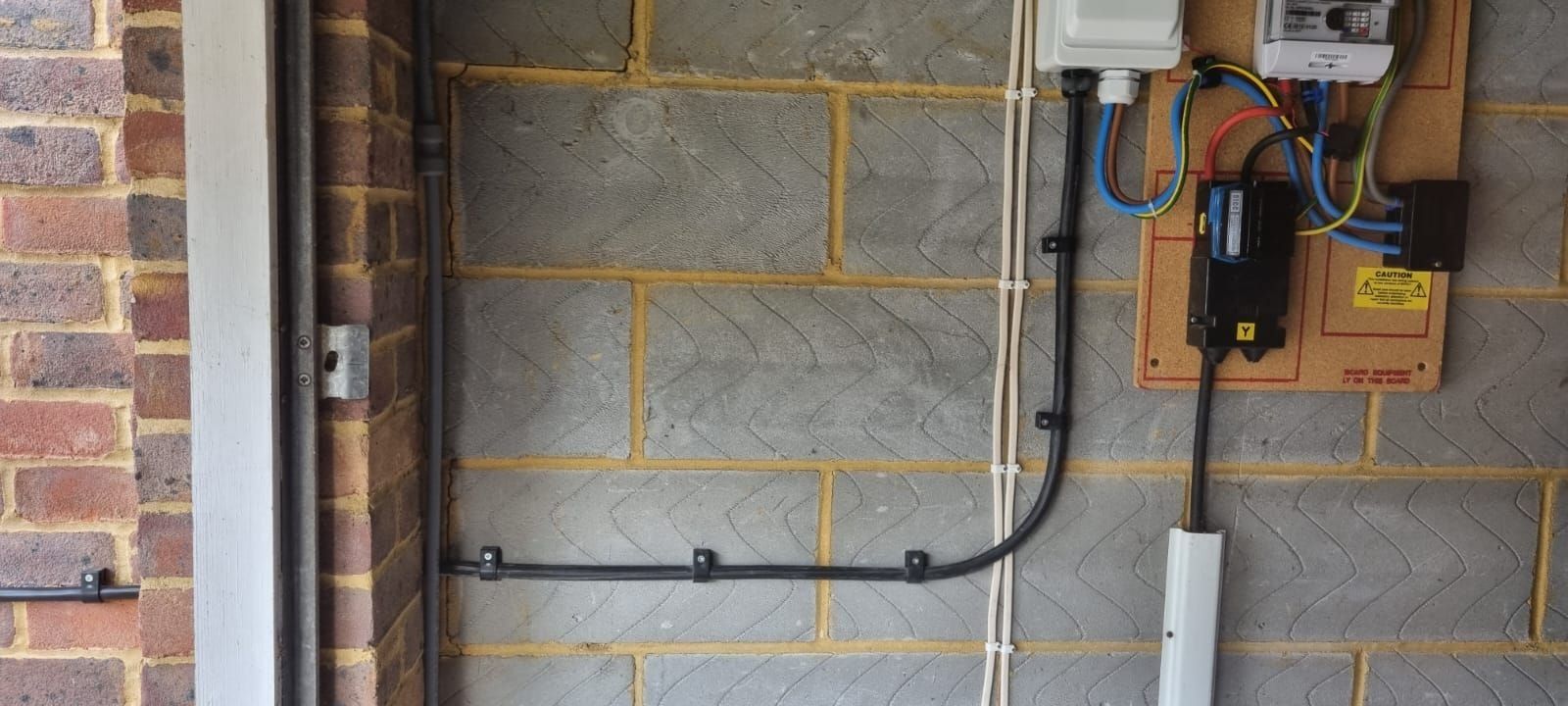
A home charger in a Worthing terrace: parking, the supply and the grant
Three Worthing houses — a semi with a drive, a terrace with a rear space, a terrace on the street — and what each can do about charging a car at home.
Read it