

Equipment
Sigenergy, Fox ESS, Hanchu ESS or EcoFlow: how we choose between the lines we fit
Four battery lines, one survey. How we decide between Sigenergy, Fox ESS, Hanchu ESS and EcoFlow PowerOcean for a West Sussex house, without a spec sheet.
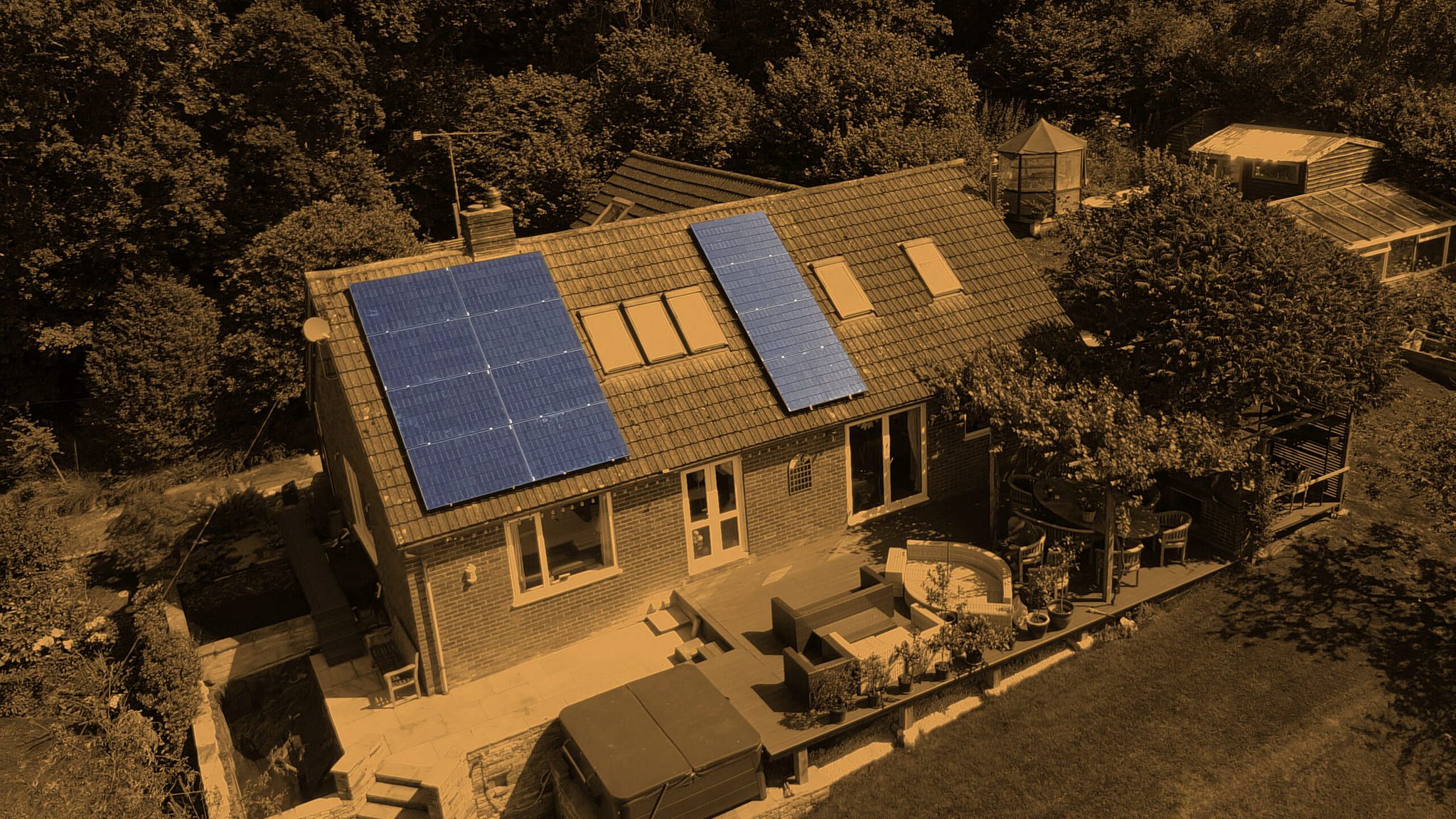
One of our own roofs. The battery that goes with an array like this is chosen at the survey, not from a catalogue.
We keep a short list of four battery lines rather than one, and we would rather explain how we choose between them than pretend one of them is always right. This is the reasoning, in the order it actually happens at a survey. It contains no capacity figures and no warranty terms, because we will not print a manufacturer number we cannot source; the specification for the exact unit proposed for your house comes in writing afterwards.
First: the wall, not the badge
Every home battery has to be installed to PAS 63100:2024 since the April 2026 amendment to the wiring regulations, which rules on where it goes, the clearances around it and the detection near it. So the first question on any survey is where a battery can legally and sensibly live: a garage end, a utility, a boarded loft, an outbuilding. That wall decides more than any brochure does. One tall stacked assembly needs one good place to stand; two separate units can sometimes be split between a loft and a cupboard. On a Shoreham-by-Sea semi inland of the railway the garage wall usually settles it in a minute; in a Brighton terrace it can take the whole visit.
Second: the car, now or later
If there is a car on the drive or one on the horizon, the question becomes whether the charge point should be part of the same system. That is the premise of the Sigenergy stack, which Sigenergy describe as integrating the inverter, a DC car charger, the battery and its management into one assembly. Where the car parks on the drive and the supply has the headroom, that is worth taking seriously. Where the car lives on the street, it is an advantage you are paying for and not using, and a separate EV charger installation alongside a conventional battery is the honest shape.
Third: what is already on the roof
A house that already has panels and an inverter is a different job from a new system. The question is whether storage is added on the battery’s own terms or the whole system is redesigned, and it turns on the age and type of the existing inverter, which we assess on site rather than rule on here. EcoFlow’s PowerOcean is built in packs, and EcoFlow’s own documentation says packs added later work with the existing ones; the EcoFlow page sets out what that line is for and what it is not.
Fourth: who stands behind it in year eight
Equipment that reaches a household through the firm that then has to stand behind the installation tends to get specified where it actually fits. That is the reason we keep a short list at all, and the first thing we ask about any line is who carries the can when it is eight years old. It is also why we say plainly which of our lines carry a manufacturer mark and which do not: Fox ESS does, and the Fox ESS page shows our own installation photograph with both units on the wall; Hanchu ESS, Sigenergy and EcoFlow are kit we fit, with no approval claimed and none displayed.
The four lines, in one paragraph each
Sigenergy. One stacked assembly that inverts, stores and can charge the car, from a manufacturer founded in 2022. Suits a household that wants the whole thing arriving as one system and has one good place to stand it. Our page for Sigenergy installers in West Sussex goes through the decision and the trade-off nobody selling it mentions.
Fox ESS. A battery and a hybrid inverter from one maker, which keeps the communication between them simple and the fault-finding simpler. It is the kit in our own installation photograph, and the five questions to ask before a Fox ESS battery is fitted are written out.
Hanchu ESS. A battery and hybrid inverter line we fit where the house and the wall suit it; the Hanchu ESS page is written about the decision rather than a specification.
EcoFlow PowerOcean. Storage built in packs, with a gateway option for whole-home backup described on EcoFlow’s own pages; the line we reach for when a household wants to start smaller and add later, subject to what the survey finds.
Where we fit each of them
The county pages say which houses each line suits and who gets the paperwork — Sigenergy in West Sussex · Surrey · East Sussex; Fox ESS in West Sussex · Surrey · East Sussex; Hanchu ESS in West Sussex · Surrey · East Sussex; EcoFlow PowerOcean in West Sussex · Surrey · East Sussex. The longer reads are where we fit Sigenergy, where we fit Fox ESS, where we fit Hanchu ESS and where we fit EcoFlow PowerOcean.
What is the same whichever you choose
The inverter is notified to the network operator before it is energised — UK Power Networks across most of the county, Scottish and Southern Electricity Networks towards Chichester, Bognor and Billingshurst — as a G98 up to 16 amps per phase or a G99 above it. The electrical certificate for the new circuit is signed by our own electricians. The manufacturer registration goes in your name with the warranty terms for the exact configuration fitted. And export payments through the Smart Export Guarantee depend on the installer’s certification, not the battery brand.
How storage behaves day to day is the page to read if you are still deciding whether you want one at all; the honest arithmetic on whether a battery pays is the other half of that. The survey is free, and the answer is sometimes none of the four.
More from the blog
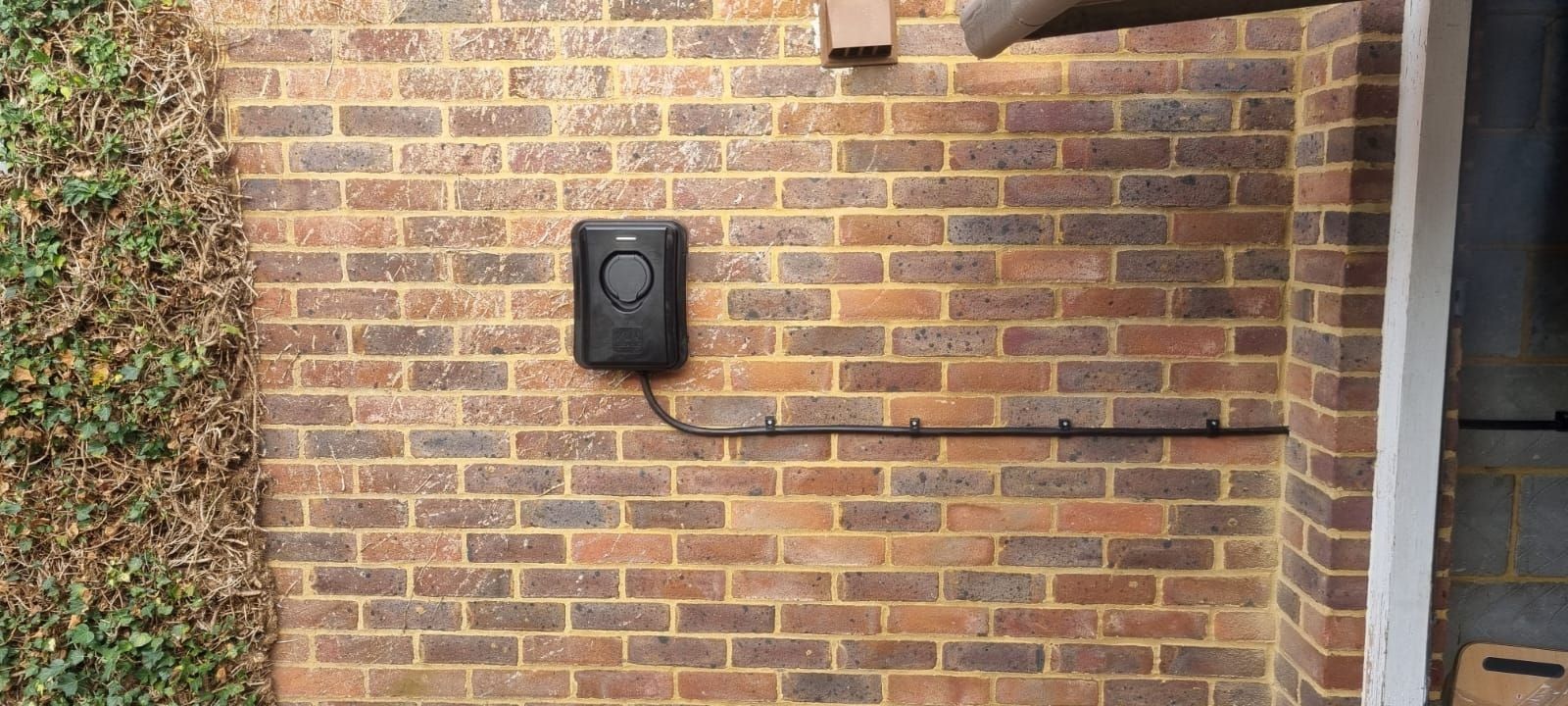
Charging an electric car in a Brighton terrace: the public network, and the home-charger cases
Over 1,000 public chargepoints, 86% of residents without off-street parking within a three-minute walk — and when a Brighton house can have its own.
Read it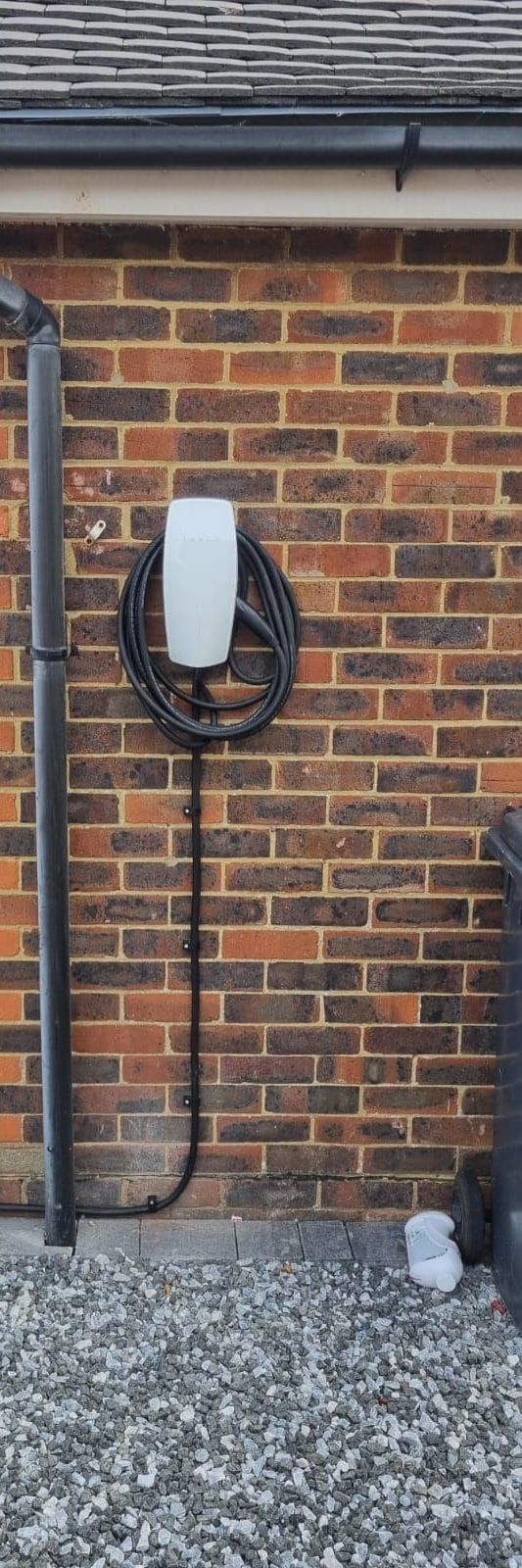
EV charger installation in Surrey: the rollout, the cable-gully rule and what a home charger needs
What Surrey has built and banned — 200-plus public sockets, no cables across the pavement — and what a home charger on the Surrey edge involves.
Read it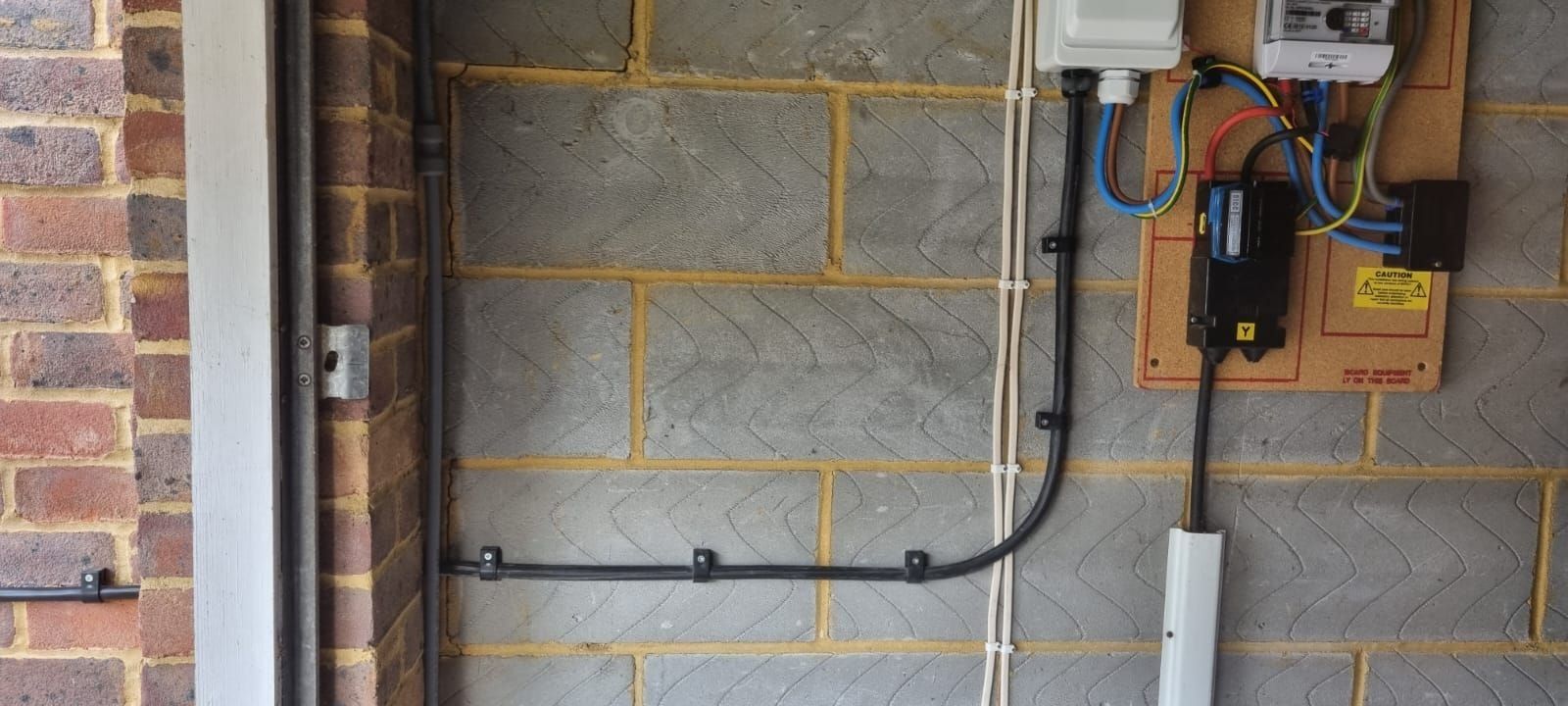
A home charger in a Worthing terrace: parking, the supply and the grant
Three Worthing houses — a semi with a drive, a terrace with a rear space, a terrace on the street — and what each can do about charging a car at home.
Read it