

Equipment
Where we fit EcoFlow PowerOcean across Sussex and Surrey: one pack, and the places it can grow
EcoFlow PowerOcean county by county: one pack on a West Sussex estate, a shaded Surrey roof, the unheated clifftop garages, the Solar Together roofs.
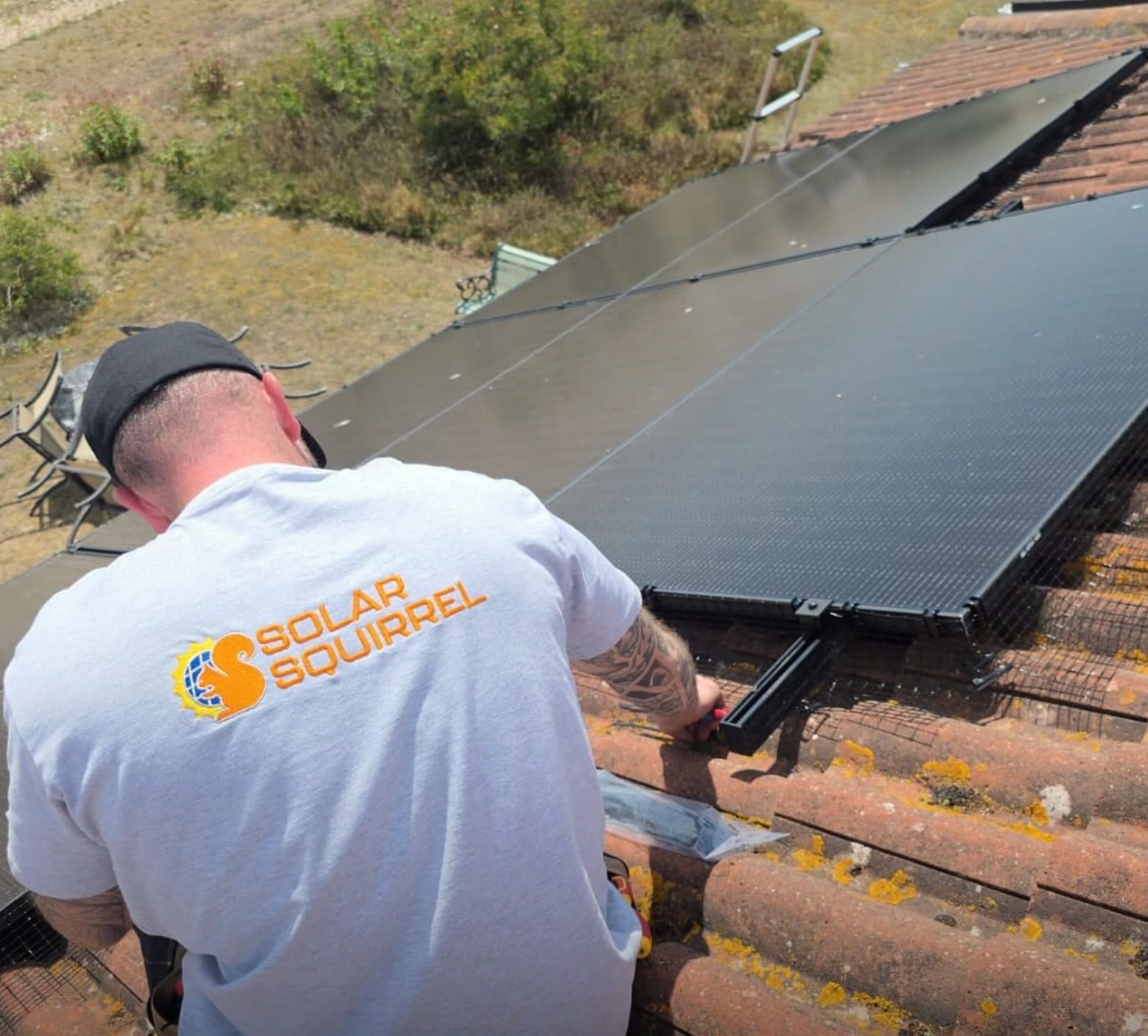
A tiled-roof installation of ours in West Sussex. EcoFlow equipment is not pictured on this site, because we have not photographed it on a job of our own.
EcoFlow PowerOcean is two parts working as one system — an EcoFlow hybrid inverter that runs the panels and the battery together, and one or several lithium iron phosphate packs on a wall or standing on the floor — arranged so a system can begin with a single pack and take more later, each added pack working alongside the ones already fitted. The EcoFlow PowerOcean installer hub explains what that means on a real house; one pack, and why that can be the right start is the argument for starting small. This post is where across our patch starting small makes the most sense, over three county pages that go further: EcoFlow in West Sussex, EcoFlow in Surrey and EcoFlow in East Sussex.
Two things hold everywhere. EcoFlow publish plenty of figures for PowerOcean — what each pack holds, what the system can supply at once, how long the warranty runs and on what conditions — and none is printed on these pages, because they are EcoFlow’s, they get revised, and a number copied onto an installer’s website tends to outlive the product it described. You get the current datasheet and terms for the exact configuration we propose, with the quote. And one inverter takes only so many packs; EcoFlow publish where that ceiling sits, and we put it in writing against your house, so the wall and the inverter you start with are the ones that stay.
West Sussex: starting small on an estate
The household that is honest about not knowing its evening load yet — the first child, the heat pump next year, the car the year after — is the PowerOcean household, and it is commonest on the Mid Sussex and Horsham estates. The survey sizes the first pack to the load you have, marks out the clearances the fire-safety specification asks for on the garage wall for the packs you might add, and notifies the hybrid inverter once to the right operator: UK Power Networks on the coast and in Mid Sussex and Horsham town, Scottish and Southern for Chichester, Billingshurst and our own RH20, read from your MPAN. When the day comes to add a pack, we check what EcoFlow sell then against what you already have. Battery storage in Burgess Hill and Horsham are the estate pages.
The plots under the Downs are the other case. The places with room for a battery there are often unheated, and EcoFlow build heating pads into the packs for cold conditions, rate the casing against dust and low-pressure water jets, and list the system for indoor or outdoor installation. That widens the places worth considering; it does not make the choice — the run back to the board, what is behind the wall and safe access still decide that, on the survey. One more thing before any pack is sized: Mid Sussex District Council points eligible households to the Warmer Homes scheme, and a house that insulates first needs fewer packs.
Surrey: sizing honestly on a shaded roof
PVGIS models about 1,037 kWh per kWp a year at Dorking, below the coast’s figure, and the Greensand and the trees shade more roofs than on the coast. A Surrey array is often smaller than the household imagined, and the honest battery for it is one pack sized to the evening load now, with the wall and the inverter ready for a second once a winter has shown what the house does. Sizing solar and a battery from your bill is the method; battery storage in Surrey is the county picture.
A cheap-rate overnight tariff for the car can change the arithmetic again, and this is the line that is built to be steered by one: EcoFlow’s app has a dynamic tariff dashboard that works with Octopus Energy’s Flux and Agile tariffs, showing the prices ahead so charging can be planned around them, and EcoFlow have announced an Intelligent Octopus Flux integration under which Octopus take control of when the battery charges and discharges. That is convenient, and it is also a handover — the battery then follows Octopus’s decisions rather than a schedule you set — so the survey explains it before you choose it. Which tariff you can get is between you and the supplier; export tariffs compared lists the current ones, dated.
Two operators on this edge — Cranleigh, Dorking, Horley and Reigate on UK Power Networks, Haslemere and Godalming on SSEN — and only the recipient of the form changes; adding packs later does not change the inverter.
East Sussex: the unheated garages and the Solar Together roofs
The East Sussex end of the patch has the best modelled yield we publish — about 1,177 kWh per kWp a year at Lewes — so a first pack sized to the evening load keeps more of a Lewes or Peacehaven roof’s surplus at home than on any other roof we cover. The clifftop garages at Peacehaven and Newhaven and the outbuildings around Lewes are never heated, which is exactly the place the heating pads and the weather rating were written for — subject, as everywhere, to the run to the board, what is behind the wall and safe access. ONS Census 2021 has private renting in Lewes district up to 16.9%, so in a growing share of houses the first conversation is the landlord’s, and one pack is an easier conversation to have than a full stack.
Then the roofs that already have panels. Solar Together Sussex reported over 1,600 homes fitted by its third phase in 2023, with retrofit battery storage offered to households that already had panels. PowerOcean is built around EcoFlow’s own hybrid inverter, so on a house like that the first question is not the battery — it is what happens to the inverter you already own, which depends on its age, its type and what is connected to it. We answer it after looking at the unit, in writing, and if PowerOcean is the wrong fit for what is there, you hear that too, with what we would suggest instead. Solar Together’s prices remain a fair yardstick to hold any quote against, ours included. Adding a battery to panels you already have in East Sussex is the longer read.
Brighton’s terraces are the one-wall question: a whole house with a dry basement or rear addition can host a growing stack with the clearances marked out; a converted flat with a communal supply cannot. The whole of this end of the county is UK Power Networks.
The short version
- Start small where the evening load is still unknown — a young household, a heat pump or a car on the way — and let a winter decide the second pack rather than a brochure.
- Consider the unheated places — a garage under the Downs, a clifftop garage, a Lewes outbuilding — because the packs are built for cold and listed for outdoors; then let the survey decide.
- Ask the inverter question first on a house that already has panels, and read the datasheet and terms for the exact configuration before you sign.
The county pages carry the facts behind each of these: West Sussex, Surrey, East Sussex. The alternatives are Sigenergy for the car charger in the same assembly, Fox ESS for the pair in our own photographs and Hanchu ESS for one wall and an unfamiliar name.
Regional facts are the ones already on our county and town pages, with their sources there: PVGIS 5.2 yields read 15 October 2026; network operators checked by postcode district on 15 and 18 October 2026; ONS Census 2021 tenure figures; Solar Together Sussex’s published scheme figures; Mid Sussex District Council’s climate-progress page. Product statements are the EcoFlow hub’s own, from EcoFlow’s published UK pages and datasheets read 16 September 2026.
More from the blog
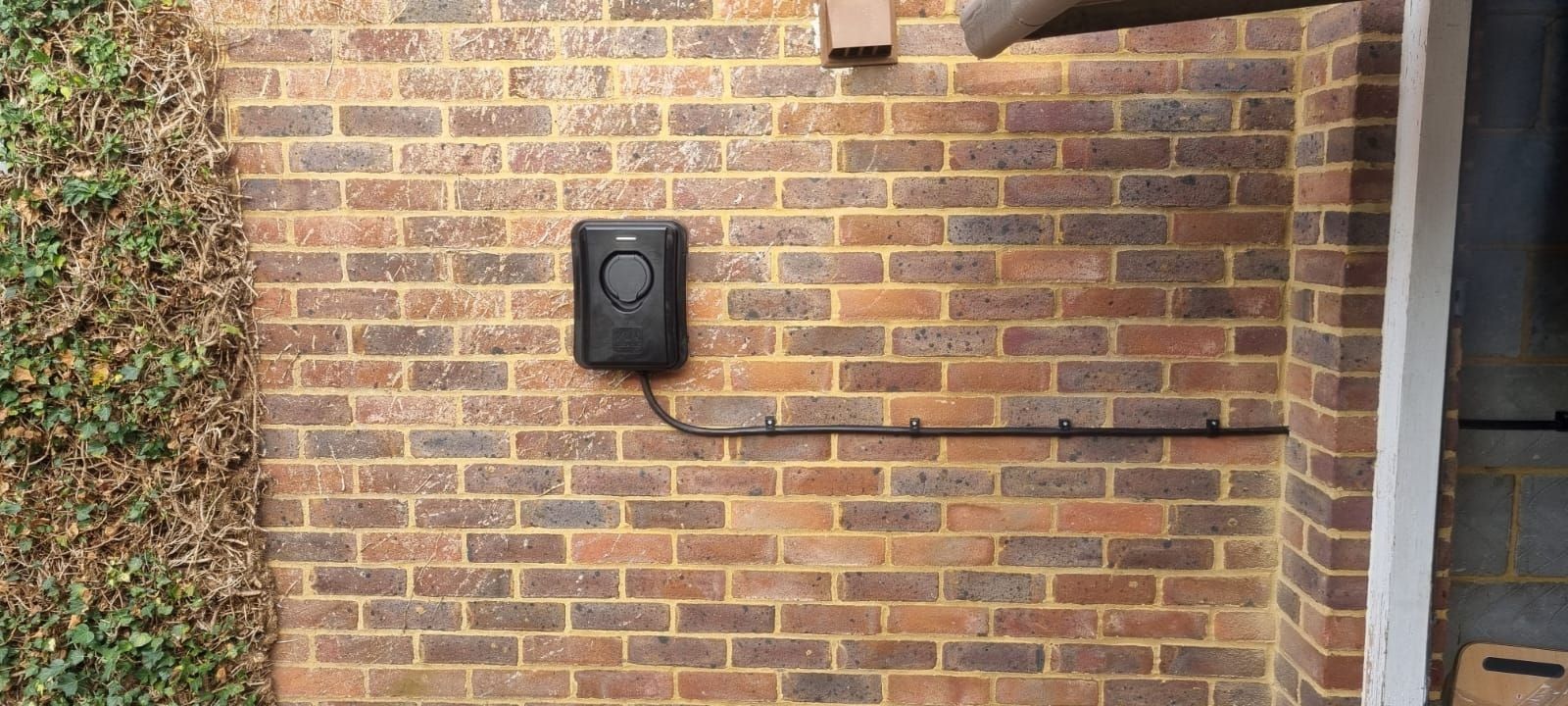
Charging an electric car in a Brighton terrace: the public network, and the home-charger cases
Over 1,000 public chargepoints, 86% of residents without off-street parking within a three-minute walk — and when a Brighton house can have its own.
Read it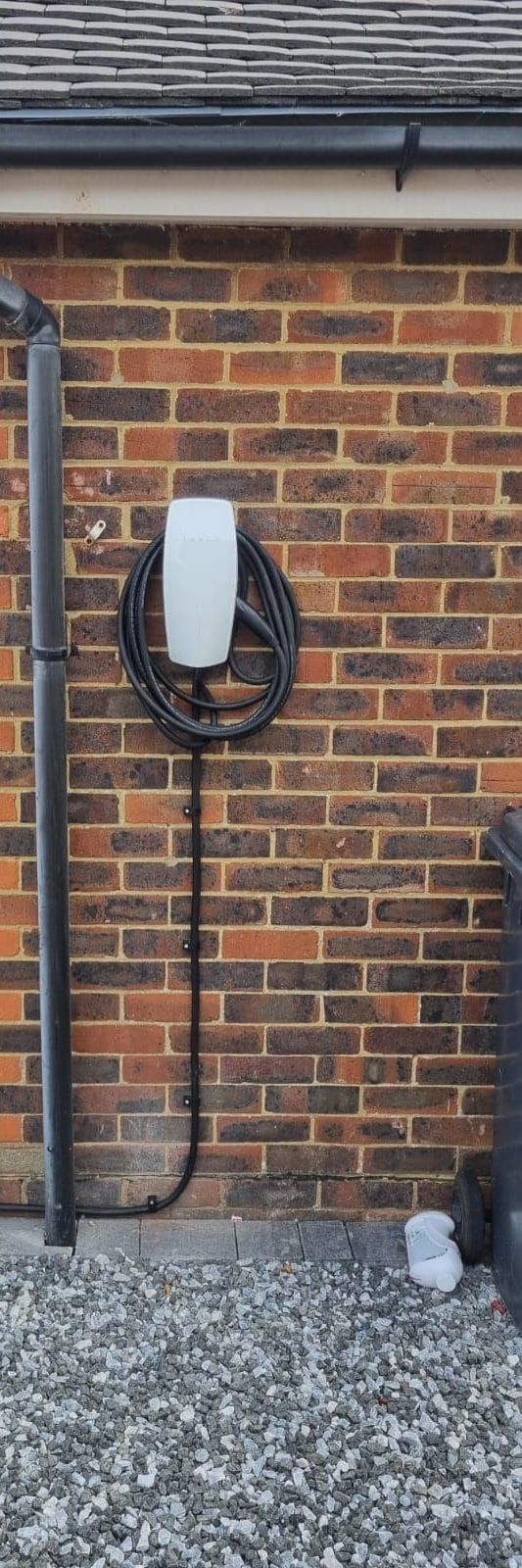
EV charger installation in Surrey: the rollout, the cable-gully rule and what a home charger needs
What Surrey has built and banned — 200-plus public sockets, no cables across the pavement — and what a home charger on the Surrey edge involves.
Read it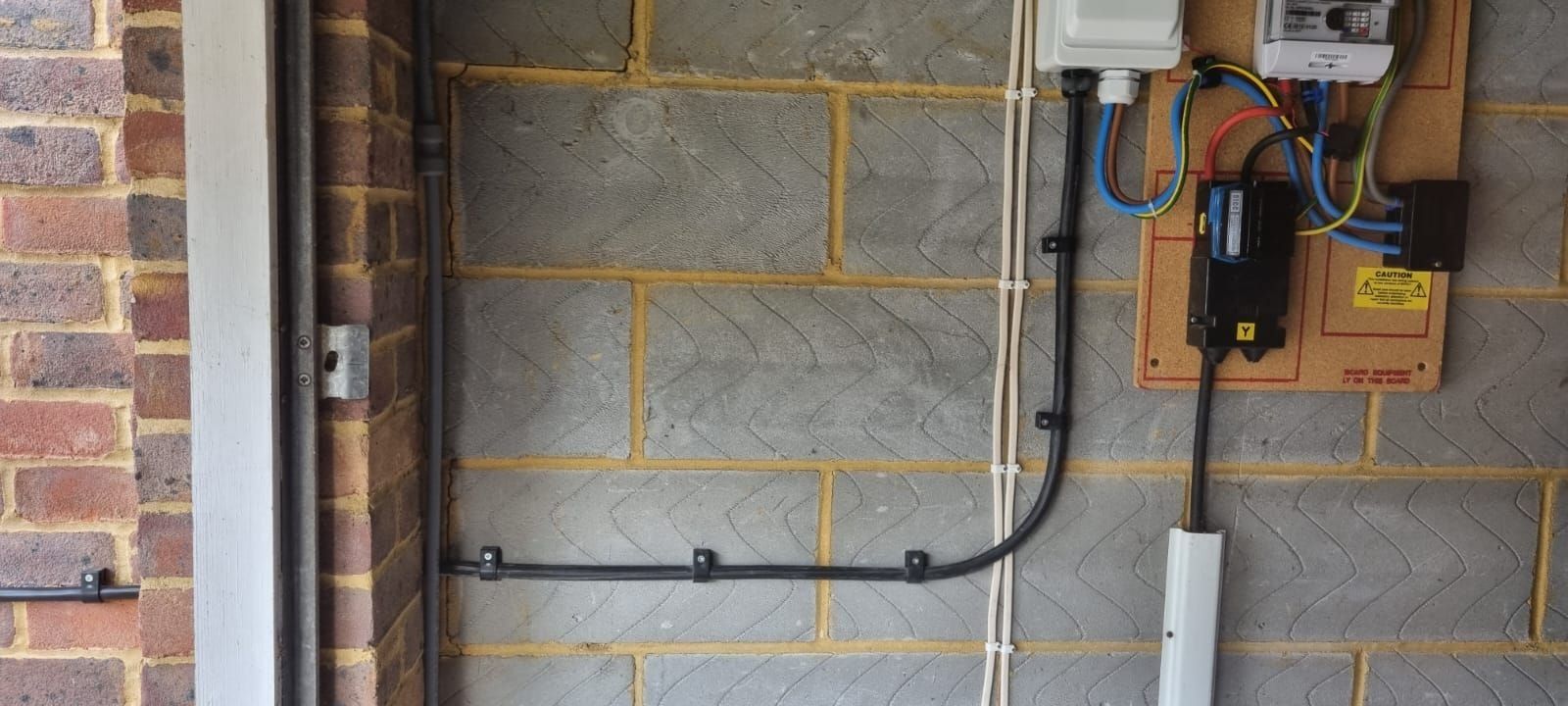
A home charger in a Worthing terrace: parking, the supply and the grant
Three Worthing houses — a semi with a drive, a terrace with a rear space, a terrace on the street — and what each can do about charging a car at home.
Read it