

Batteries
Adding a battery to panels you already have, in Lewes and on the East Sussex coast
Solar Together put panels on many East Sussex roofs. What a retrofit survey checks first, the Lewes listed question, clifftop bungalows and UKPN.
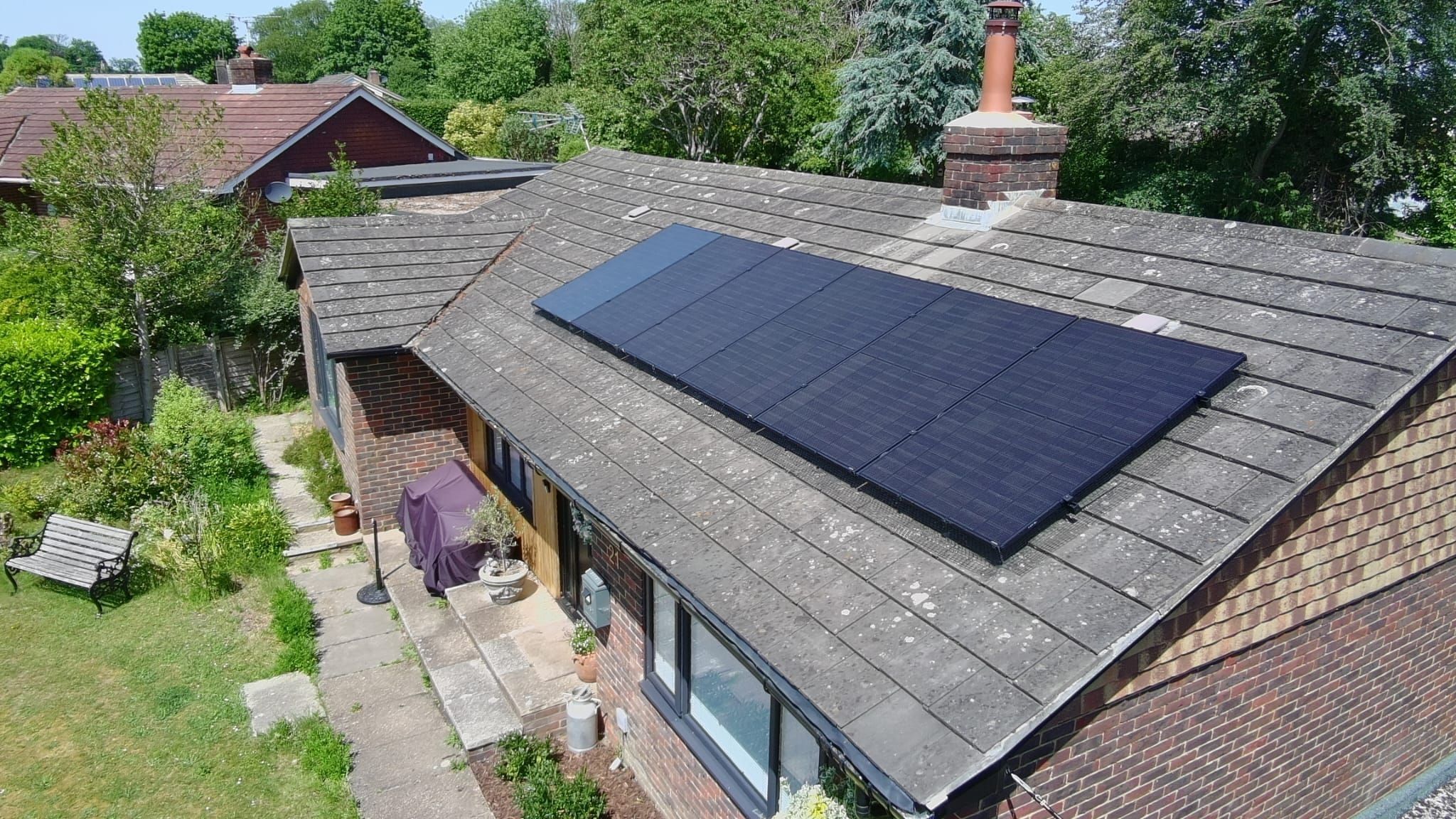
A bungalow with an all-black array, one of ours, seen from above. On the clifftop the garage is usually where the battery goes.
The East Sussex we cover is Lewes under the Downs, 23 road miles along the A27, and the coast down to Peacehaven at 26; Newhaven, at 31, is just over our thirty-mile line, and Seaford, Uckfield and Eastbourne are beyond it. A lot of these roofs already have panels. Solar Together Sussex — the group-buying scheme the Sussex councils run with iChoosr — reported over 1,600 homes fitted by its third phase in 2023, and offered retrofit battery storage to households that already had panels. So the question this end of the patch asks is not “shall we get solar” but “can we add a battery to what we have”. Usually, yes. Here is what the survey checks first.
The existing inverter
Some inverters can take a battery directly. Others mean a separate battery inverter alongside the one you have, which is a cleaner job than it sounds. The survey reads the make and the age of what is on the wall, its paperwork, and the array’s actual output, before it reads anything else. A system that was notified to the operator properly when it went in makes the next step easier; one that was not gets tidied up as part of the job.
The board, and where a stack can go
PAS 63100:2024, the fire-safety specification home batteries have been installed to since April 2026, governs the location, clearances and detection around the stack. In a Lewes town house that is usually a cellar or a utility; in a Peacehaven or Newhaven bungalow it is the garage. The consumer unit is checked at the same time, because on a house whose panels went in some years ago the board is sometimes the real job.
Lewes: the Park and the listed core
Lewes sits inside the South Downs National Park, whose authority is the planning authority there. A battery indoors is an electrical installation and the Park does not come into it. The listed core is different: where the house is listed, the position of the stack and the route of the cables can need consent even though the outside is untouched, so a drawing goes to the conservation officer before we quote.
The clifftop: salt first
Peacehaven and Newhaven are as exposed as Worthing or Shoreham-by-Sea. Any outside enclosure is corrosion-rated on marine-grade fixings or the battery goes inside — and in a bungalow with a garage it goes inside.
Sizing, and the yardstick
PVGIS 5.2 models a south-facing 4.5 kWp array at Lewes at about 1,177 kWh per kWp a year — 35° pitch, 14% system loss, read 15 October 2026 — the best modelled yield of the three regions we publish, so the surplus a battery can keep is larger here. We size the battery to your evening load from half-hourly data or bills, and we hold our own quote against the Solar Together prices, which remain a fair yardstick for anyone’s. If a battery will not pay on your usage, the quote says so.
The landlord question
ONS Census 2021: 71.1% of households in Lewes district owned their home and private renting had risen to 16.9%. In a growing share of houses, then, the first question is the landlord’s rather than the tenant’s. We will talk to either side; a battery on a rented house needs the owner’s instruction.
Operator and paperwork
The whole of this end of the county is UK Power Networks — group J for BN7, BN9, BN25 and TN22 on the 15 October 2026 lookup. An inverter up to 16 amps per phase (3.68 kW) is notified under G98 after it is fitted; anything larger is applied for under G99 before it is energised. We make both, and the handover pack covers both halves of the system. Lewes District Council’s own climate emergency, declared in 2019 with net zero by 2030 and Newhaven as its test case, is the civic version of the same arithmetic a battery does for one house.
Where to go next
solar battery storage in East Sussex is the page for the job; solar panels in East Sussex, what solar costs in East Sussex and grants and schemes in East Sussex sit alongside it. West along the coast, Brighton’s post is the converted-house question; at the other edge of the patch, the Surrey post is the two-operator one. The county picture is on the battery storage page, and is a battery worth it is the sums.
More from the blog
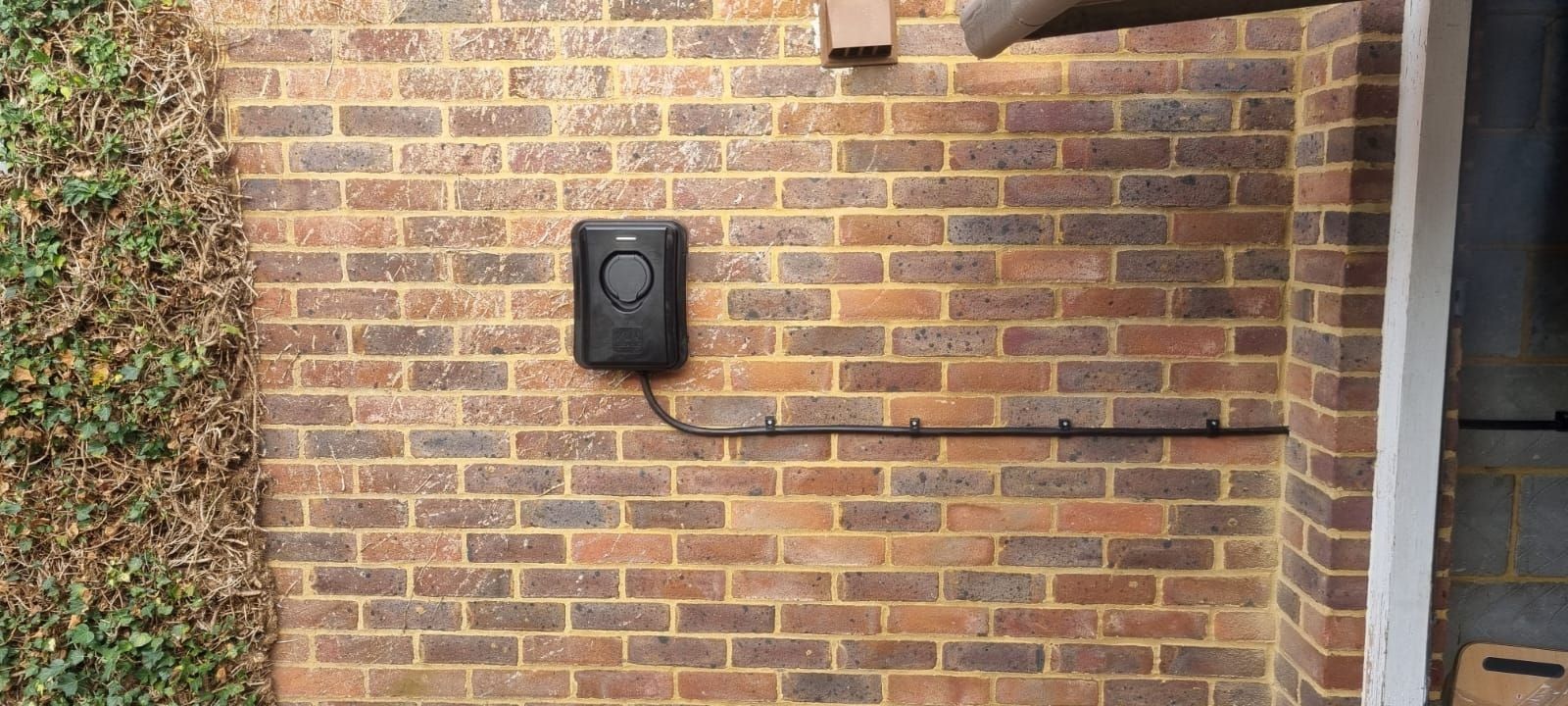
Charging an electric car in a Brighton terrace: the public network, and the home-charger cases
Over 1,000 public chargepoints, 86% of residents without off-street parking within a three-minute walk — and when a Brighton house can have its own.
Read it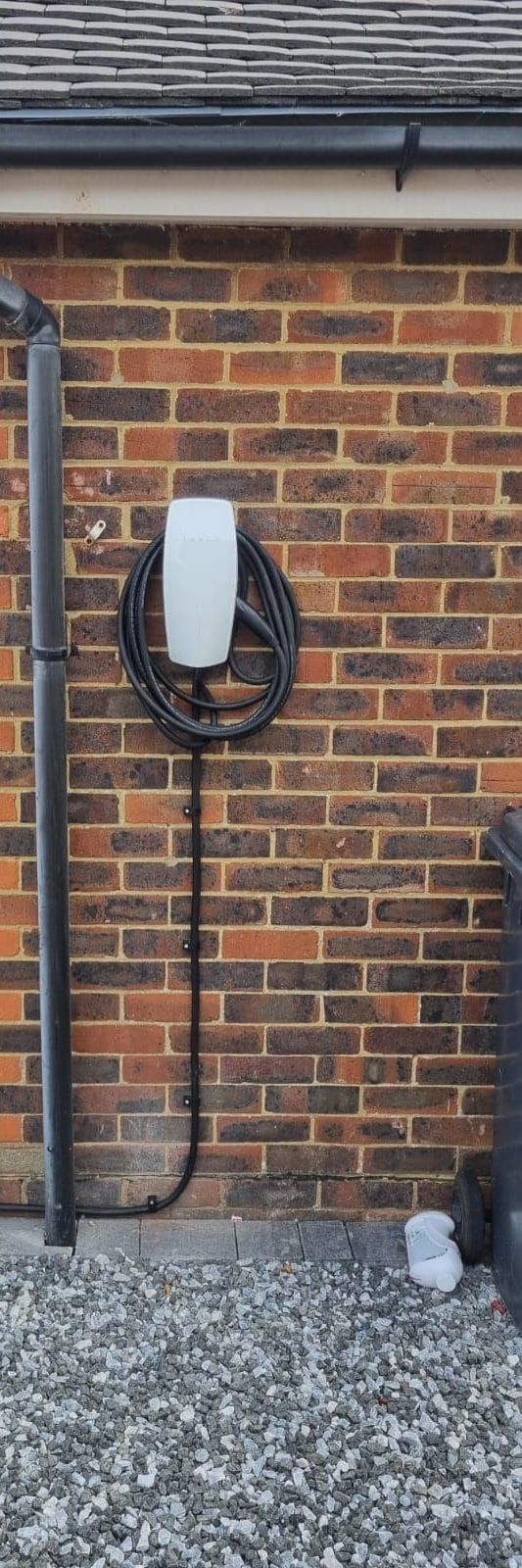
EV charger installation in Surrey: the rollout, the cable-gully rule and what a home charger needs
What Surrey has built and banned — 200-plus public sockets, no cables across the pavement — and what a home charger on the Surrey edge involves.
Read it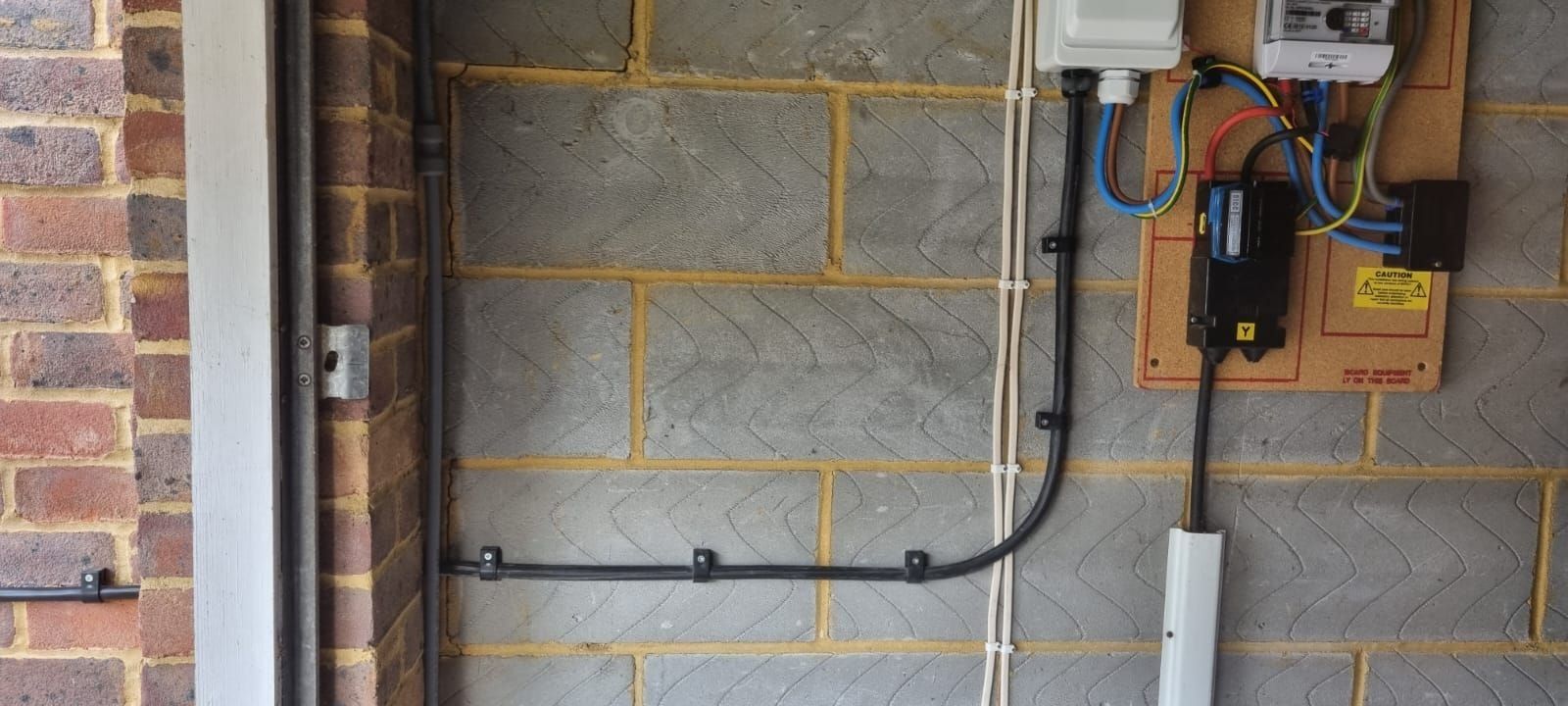
A home charger in a Worthing terrace: parking, the supply and the grant
Three Worthing houses — a semi with a drive, a terrace with a rear space, a terrace on the street — and what each can do about charging a car at home.
Read it