

Batteries
Can a Brighton flat have a battery? And the terrace answer too
Whose supply, whose wall, what the lease says: the honest answer on batteries in Brighton's converted houses, plus the basement and the listed question.
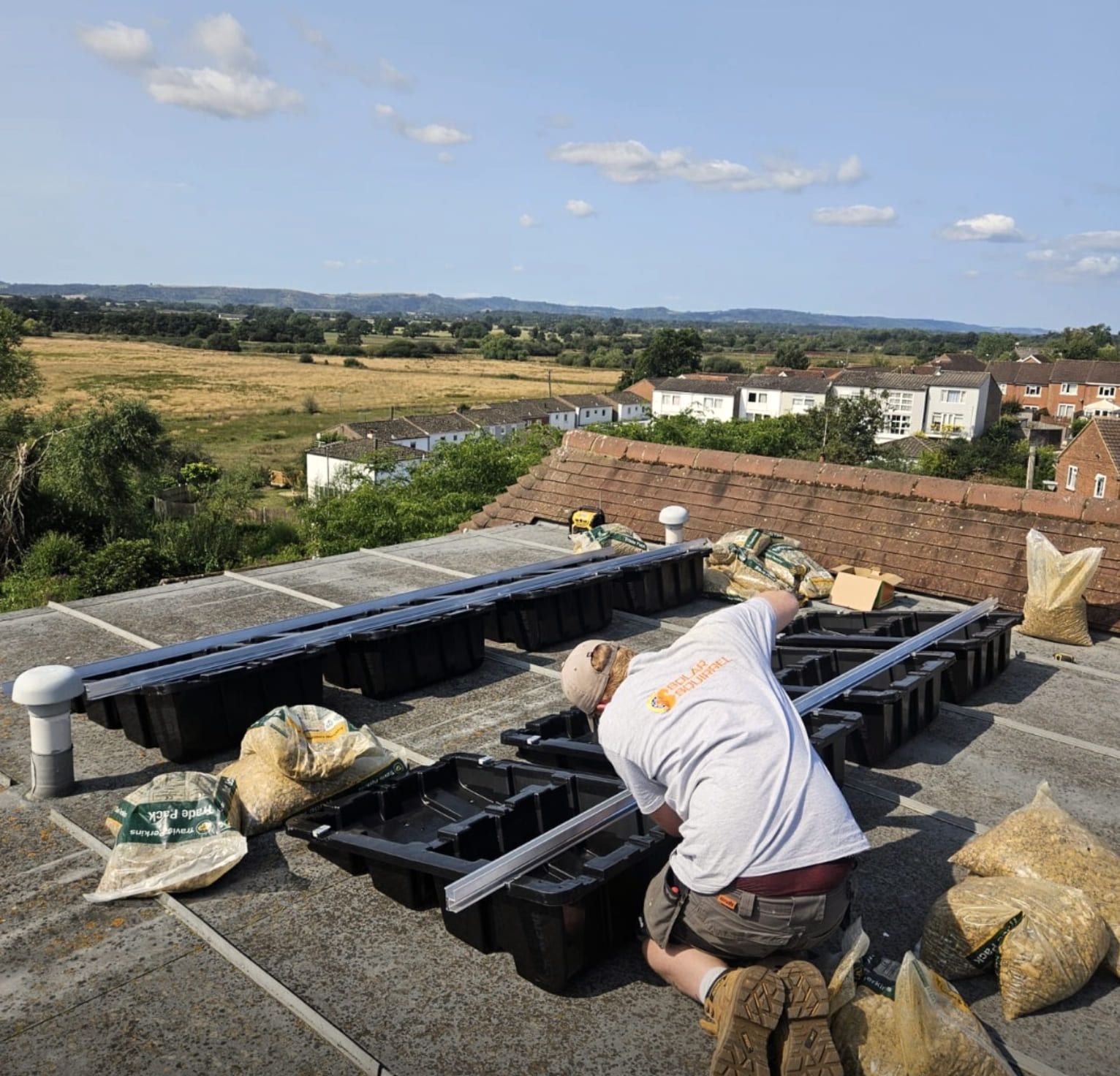
Mounting trays on a flat roof, one of our own jobs. In Brighton the flat roof often does the solar work; the battery question is downstairs.
Brighton & Hove is seventeen miles east and the biggest, steepest, most subdivided roofscape on this stretch of coast: dense Regency and Victorian terraces, three and four storeys, a great many of them divided into flats. The question we are asked most in the city is not about kit. It is “we’re a flat — is this even possible?” The honest answer is sometimes, and it depends on three things that have nothing to do with batteries.
Whose supply
A converted house has a meter for each flat and another for the common parts. A battery serves one supply, so the first thing we establish is which one is yours and where its meter and consumer unit are. A battery on a communal supply is a different thing altogether and usually not a domestic job at all.
Whose wall
The stack needs a position that meets PAS 63100:2024 — the fire-safety specification home batteries have been installed to since April 2026 — on location, clearances and detection, and that position has to be inside your own part of the building, with a cable route that does not cross someone else’s. A ground-floor or basement flat with its own utility sometimes has it. A top-floor flat often does not, and the roof above it almost always belongs to the freeholder even when the flat is the one under it.
What the lease says
Alterations, services, the freeholder’s or managing agent’s consent. We will read the lease wording with you before anyone talks about a survey, and we do not take a deposit until the three questions above have answers. Some conversions can have a battery; a good many cannot, and we would rather say which at the start.
The terrace answer
A whole house is a different job and a straightforward one. The basement, if it is dry and ventilated, is often the best position in the city: cool, out of the living space, with the clearances a stack needs and the detection easy to fit. A wet basement is not a position at all. Failing that, a rear addition or a boarded loft, surveyed with the joists and the hatch in mind. An outside wall anywhere near the front is corrosion-rated on marine-grade fixings or it does not happen — the same exposure rule we apply to the roof. The array itself usually lives on the rear slope or a ballasted flat roof, which is the conversation on solar panels in Brighton & Hove.
The listed question
More than thirty conservation areas and a very large listed-building count in the Regency squares. A battery indoors leaves the outside of the building untouched, but on a listed house the position of the stack and the route of the cables can need listed building consent, so we put a drawing to the conservation officer before we quote. The council’s own conservation-area pages carry guidance on solar panels and other measures in designated areas and are worth a read before you ring anyone, us included.
Operator and paperwork
BN1, BN2 and BN3 are UK Power Networks, group J. An inverter up to 16 amps per phase (3.68 kW) is notified under G98 after it is fitted; anything larger is applied for under G99 before it is energised. We make both, and the certificate and the notification are in your handover pack.
Where to go next
Battery storage in Brighton & Hove is the page for the job. West along the coast, Shoreham-by-Sea’s post covers the salt and the Article 4 streets; east, the East Sussex post covers adding a battery to panels you already have. The county picture is on the battery storage page, and is a battery worth it is the sums.
More from the blog
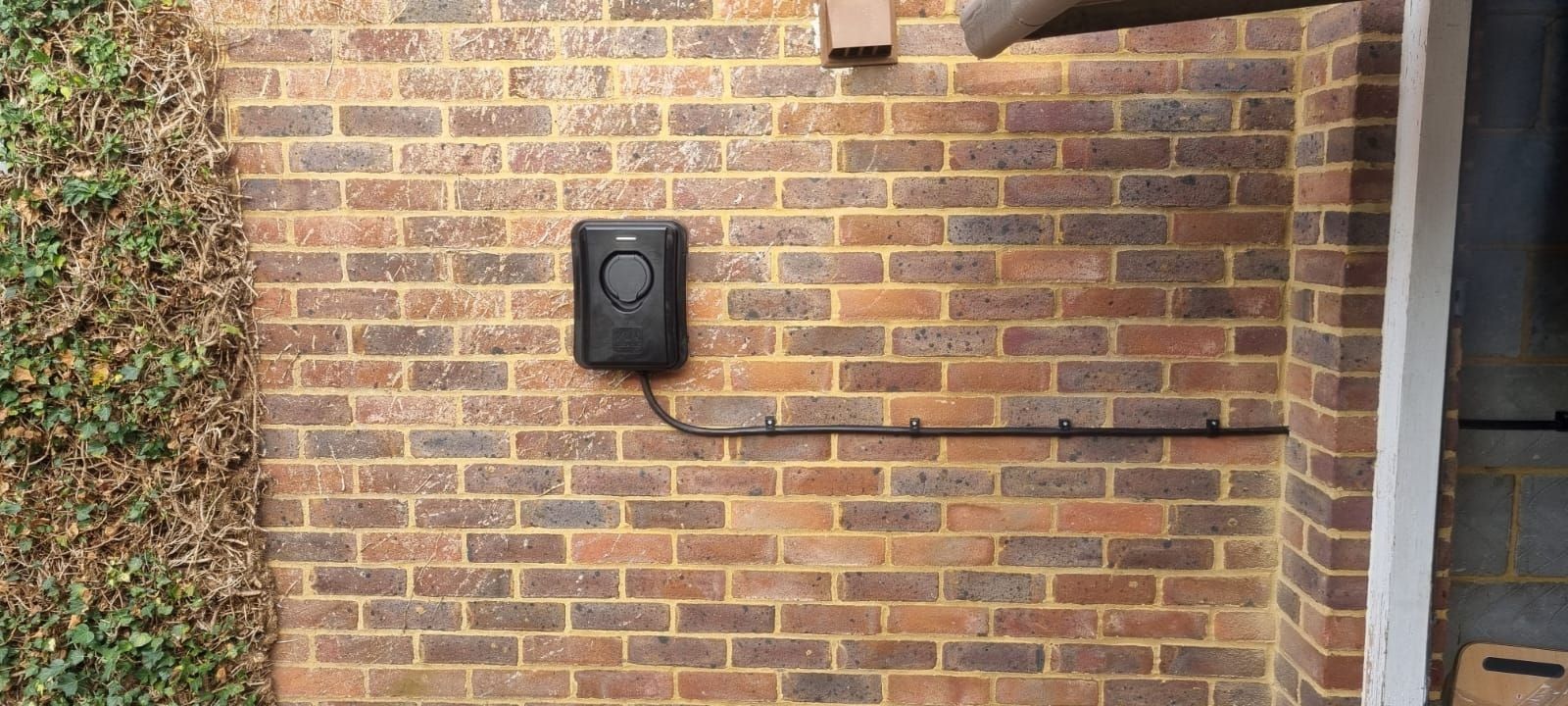
Charging an electric car in a Brighton terrace: the public network, and the home-charger cases
Over 1,000 public chargepoints, 86% of residents without off-street parking within a three-minute walk — and when a Brighton house can have its own.
Read it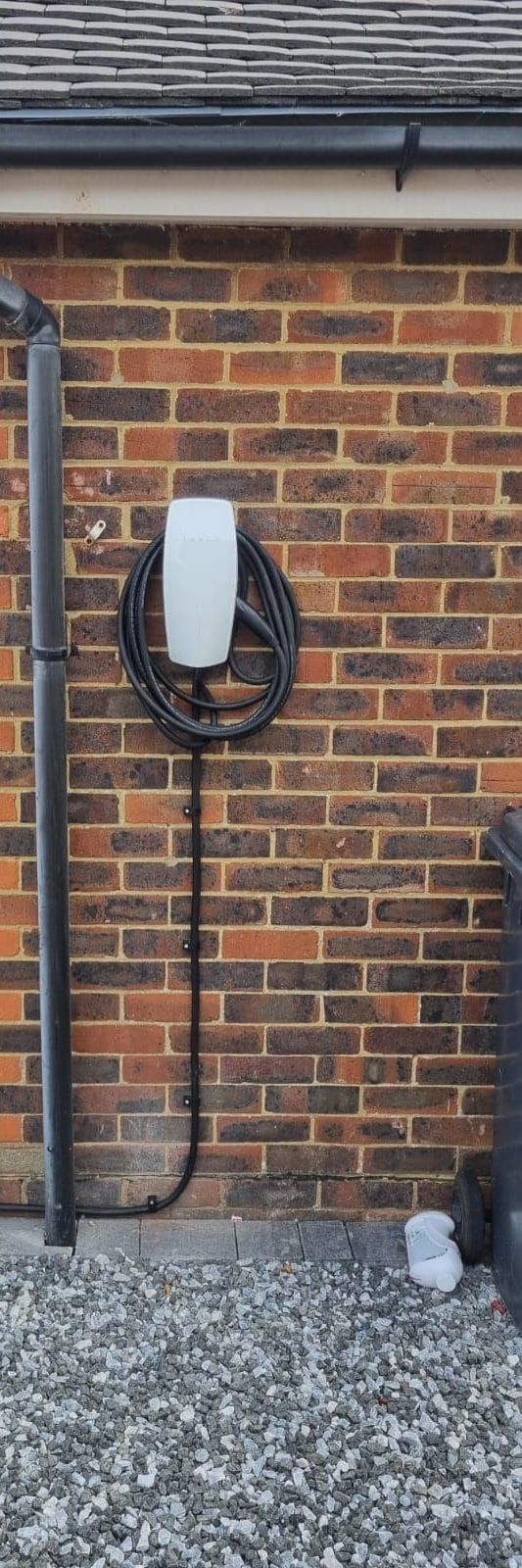
EV charger installation in Surrey: the rollout, the cable-gully rule and what a home charger needs
What Surrey has built and banned — 200-plus public sockets, no cables across the pavement — and what a home charger on the Surrey edge involves.
Read it
A home charger in a Worthing terrace: parking, the supply and the grant
Three Worthing houses — a semi with a drive, a terrace with a rear space, a terrace on the street — and what each can do about charging a car at home.
Read it