

Batteries
Where a home battery goes in a Worthing terrace with no garage
Cellar, utility, rear addition or boarded loft: where a battery goes in a Victorian or Edwardian Worthing house with no garage, and the spot we refuse.
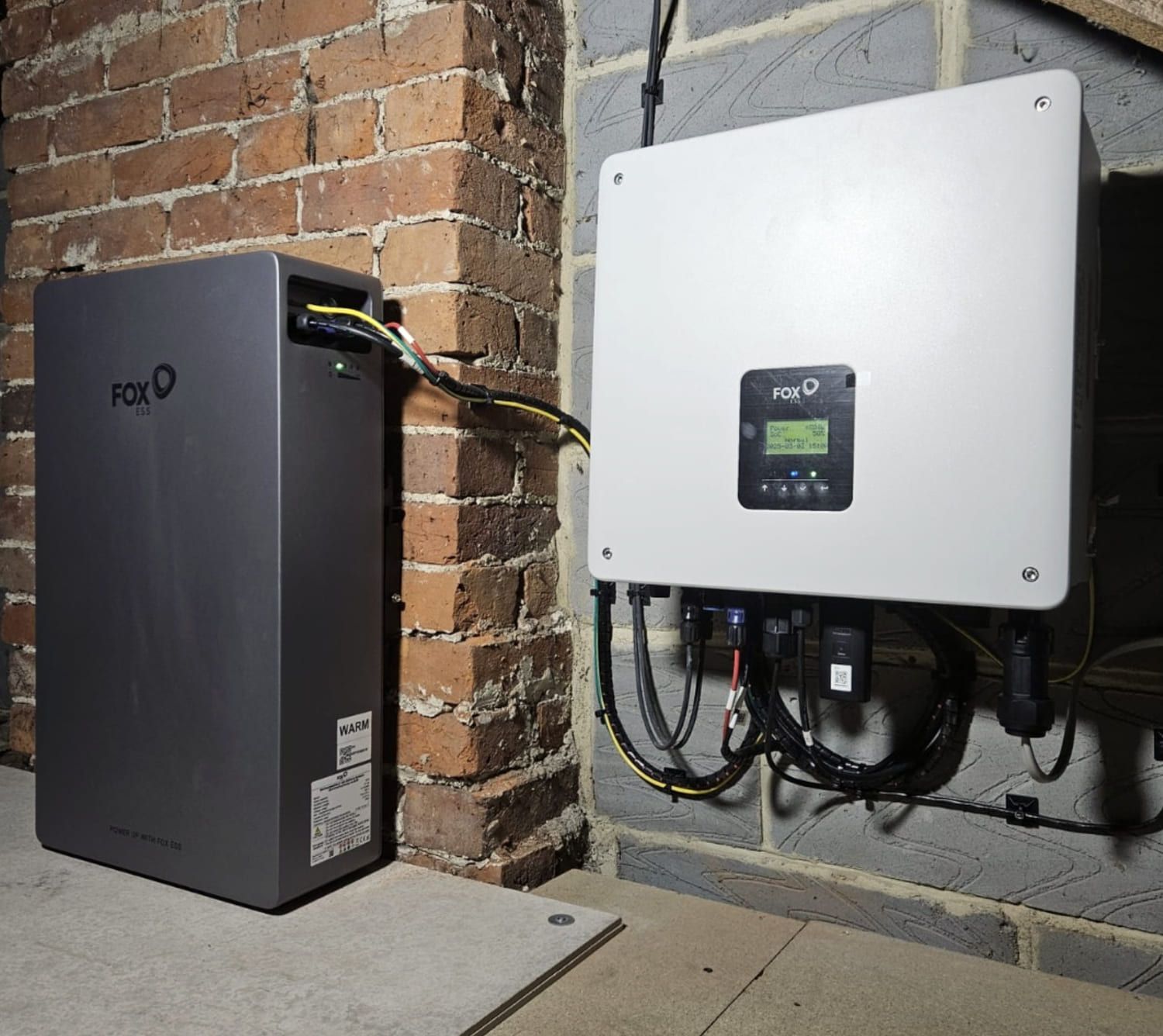
A Fox ESS battery and inverter on a brick wall, one of our own installations. The wall is the first thing we look at in a terrace.
Worthing is seven miles down the A24 from our workshop and the town we give as our own location, so we see more of its houses than anyone else’s. A lot of them are Victorian and Edwardian terraces and semis through the centre and East Worthing, and the question we get asked in those streets is not “which battery” but “where would it even go”. This is the honest list.
The rule that decides it
Since April 2026 the wiring regulations have required batteries in homes to be installed to PAS 63100:2024, the fire-safety specification for domestic battery systems. It governs the location of the stack, the clearances around it and the detection fitted near it. It does not say “garage”; it describes the conditions a position has to meet. A terrace without a garage can meet them. Under the stairs, as a rule, cannot — and we would rather tell you that on the phone than at the door.
The four positions that come up in Worthing
The cellar. A good number of the pre-war houses in the centre have one. Cool, out of the living space, usually with a solid wall and a short route to the consumer unit at the front of the house. If it is dry and the detection can be fitted, it is frequently the best answer in the town.
The utility or rear addition. The single-storey kitchen extension or the utility behind it is the next most common. Solid floor, an outside wall, and the clearances are usually there if the washing machine can shuffle along a foot.
The boarded loft. Possible, and we have fitted them there, but it is a weight and an access question as much as a specification one. A loft position is surveyed with the joists and the hatch in mind, not just the regulations.
An outside wall. Within a mile or so of the front the air is salt-laden, so an external position means a corrosion-rated enclosure on marine-grade fixings or it does not happen. On a house inside the seafront or Broadwater conservation areas an enclosure on the front elevation is the one we avoid; the rear or side wall is fine.
What the survey measures after the wall
The board and the incoming supply, which on a pre-war house are often the real constraint. And the evening load: how much electricity the house actually uses after dark, read from half-hourly smart-meter data where the meter will give it to us and from the bills where it will not. That sets the size. A two-bedroom terrace off Broadwater Road rarely needs the battery the brochure shows, and a quote that says so is worth more than one that does not.
The paperwork, which is ours
BN11 is UK Power Networks territory. An inverter up to 16 amps per phase is notified to UKPN under G98 after it is fitted; anything larger is applied for under G99 before it is energised. We make the notification, and the certificate and the paperwork are in the handover pack. Domestic solar panels and battery storage currently attract zero-rate VAT, so there is no VAT line on the quote for either.
Where to go next
The town page for the whole job is battery storage in Worthing; the roof the battery will be charging from is on solar panels in Worthing. Either side of the town, Shoreham-by-Sea has its own siting post, and the East Sussex end of the coast has one on adding a battery to panels you already have. The lines we fit, and how we choose between them, are in Sigenergy vs Fox ESS vs Hanchu; the county picture is on the battery storage page.
More from the blog
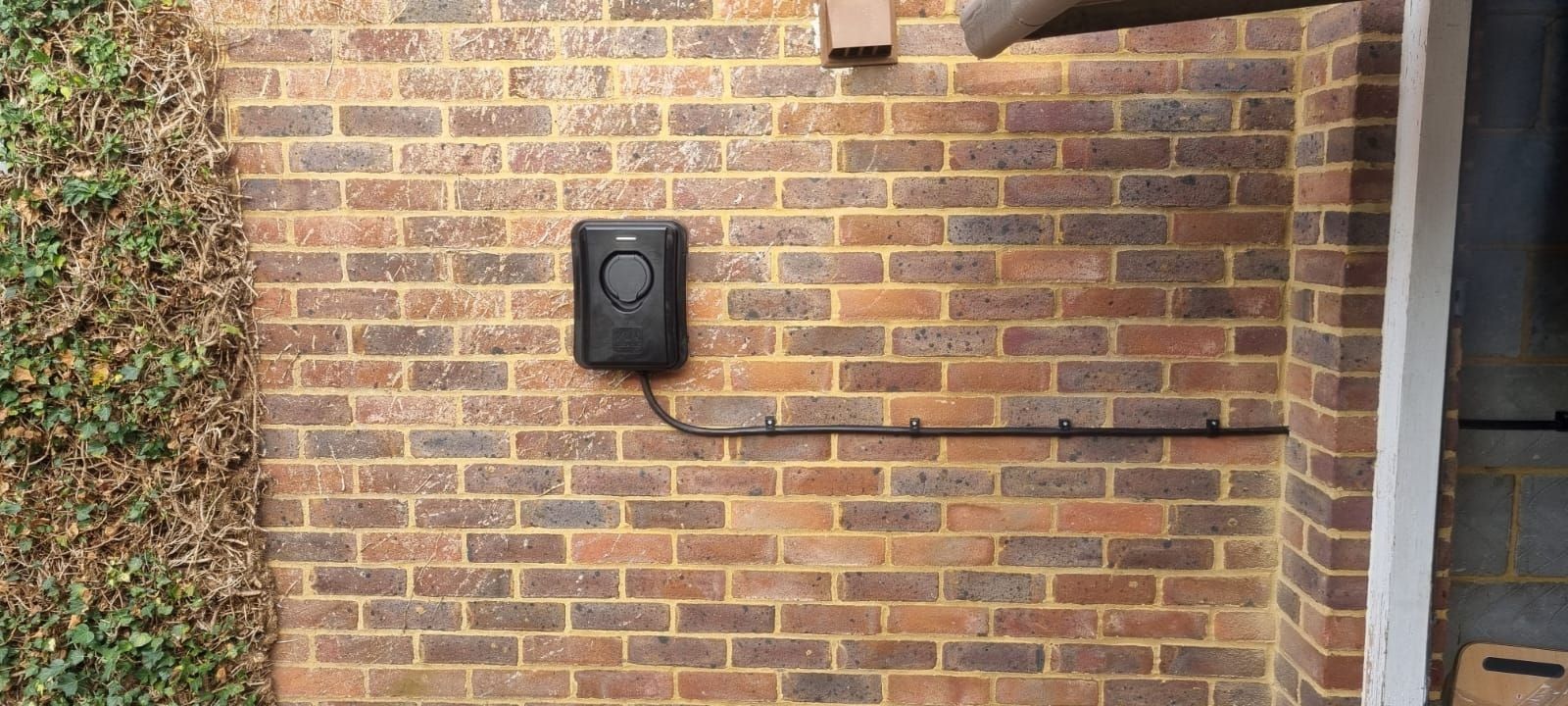
Charging an electric car in a Brighton terrace: the public network, and the home-charger cases
Over 1,000 public chargepoints, 86% of residents without off-street parking within a three-minute walk — and when a Brighton house can have its own.
Read it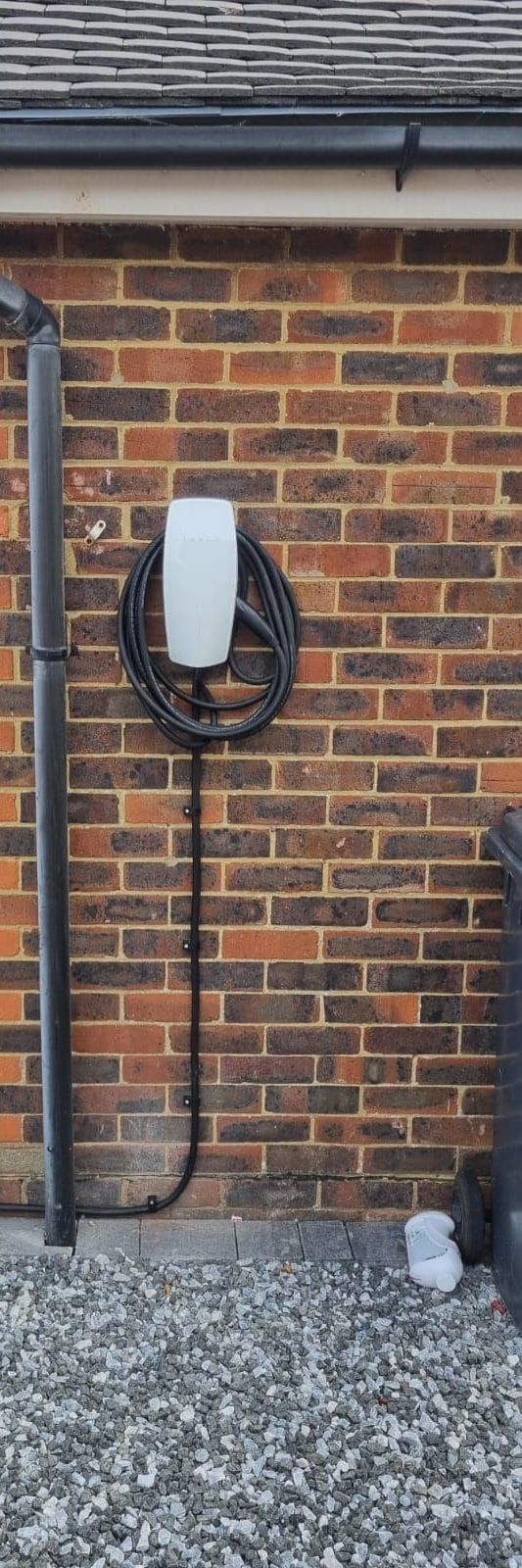
EV charger installation in Surrey: the rollout, the cable-gully rule and what a home charger needs
What Surrey has built and banned — 200-plus public sockets, no cables across the pavement — and what a home charger on the Surrey edge involves.
Read it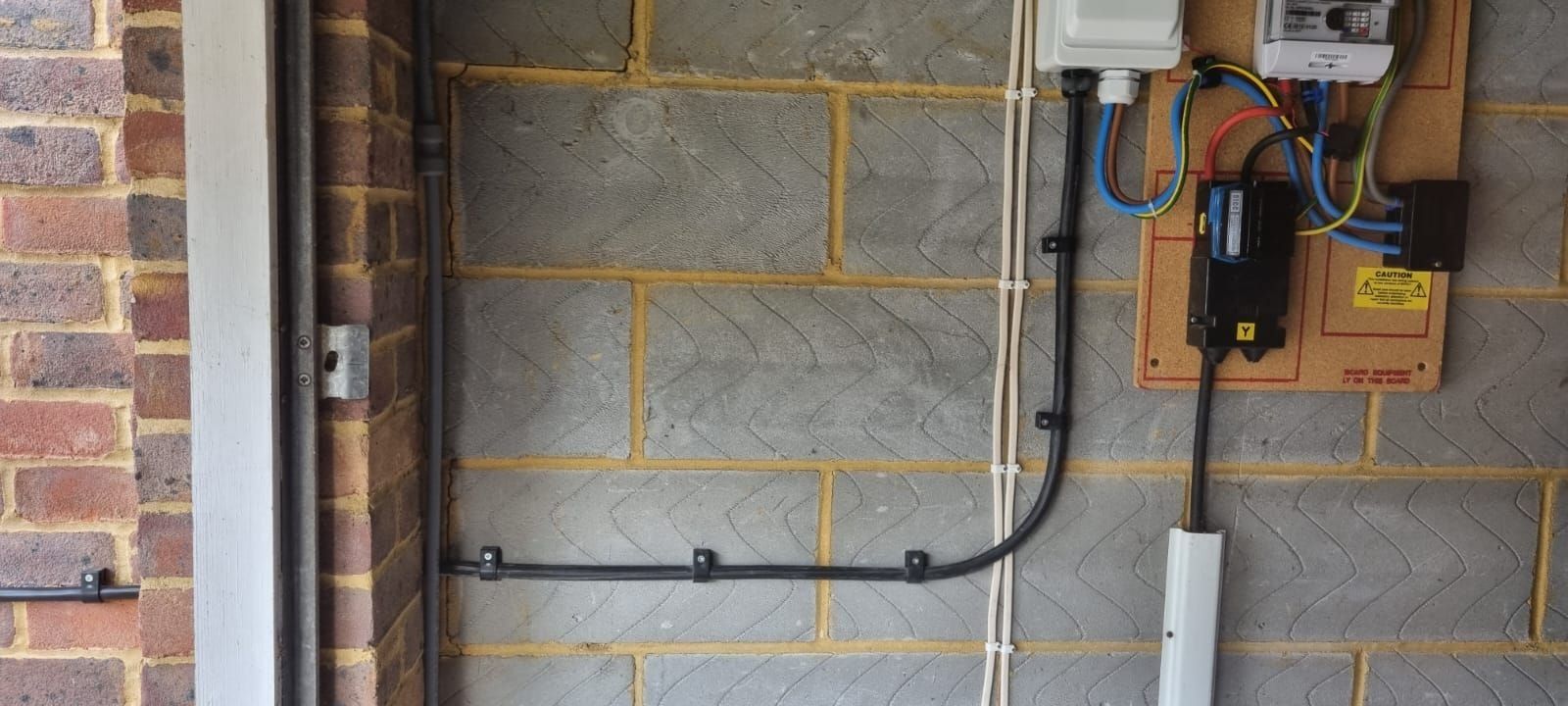
A home charger in a Worthing terrace: parking, the supply and the grant
Three Worthing houses — a semi with a drive, a terrace with a rear space, a terrace on the street — and what each can do about charging a car at home.
Read it