

Planning
Solar panels and planning permission in East Sussex: inside the National Park, on the coast, and the exceptions
When solar panels in East Sussex need planning permission and when they do not: the roof-slope rule, the National Park at Lewes, flat roofs, listed houses.
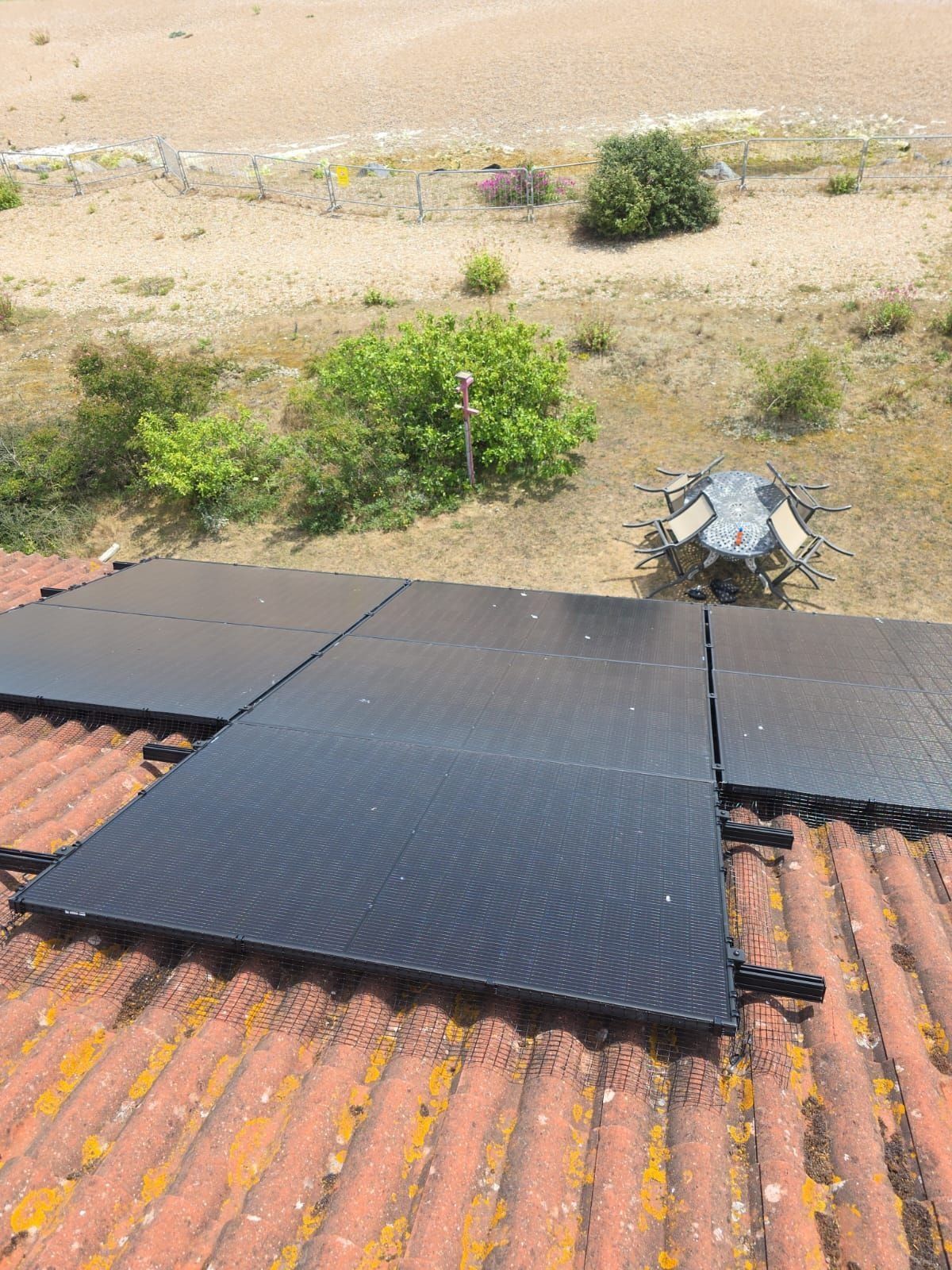
One of our own coastal roofs. On the clifftop the question is the fixings; under the Downs it is the planning authority.
The East Sussex we cover from Washington is two different jobs. Lewes and the villages around it are inside the South Downs National Park, where the National Park Authority is the planning authority and its officers visit every application site. The coast from Newhaven to Peacehaven and Seaford is outside the Park, where the planning answer is usually simple and the design question is the salt air. The national rule is the same for both; what differs is who decides and which exceptions apply.
The roof-slope rule
Under the national permitted-development class for microgeneration, a solar panel on the roof slope of a house does not need planning permission — including a street-facing slope, and including a house inside a National Park or a conservation area. The exceptions:
- A panel on a wall, balcony or roof enclosure fronting a highway.
- A flat-roof array on designated land, which has needed prior approval since 21 December 2023. Inside the Park that approval comes from the National Park Authority, not the district council.
- A listed house, which is outside the class entirely and needs listed building consent — and Lewes has a great many.
An Article 4 direction can remove roof rights in a specific area, so we check the address against the planning authority’s records before the survey and put the answer in writing. Most of the time it is “nothing to apply for”.
Inside the Park: Lewes under the Downs
Lewes sits inside the South Downs National Park, on flint, brick and tile. The National Park Authority is the statutory planning authority there and its planning committee decides the applications that do arise. For a solar array that means two things in practice. On the roof slope of an unlisted house, permitted development applies as it does anywhere. On a flat roof — a back addition, a garage — the prior-approval step goes to the Park Authority, and the design is expected to sit quietly in the roofscape: ballasted systems with no holes in the covering, set back from the edge, all-black modules. A listed house needs consent, and the honest answer there is sometimes an outbuilding roof out of the sightline rather than a compromised array on the house.
On the coast: Newhaven to Seaford
Outside the Park the planning position is the simplest on our patch, and the design position the least forgiving. Salt-laden air within a mile of the front corrodes anything not specified for it, wind loading on an exposed clifftop roof is a design input rather than a catalogue average, and a ballasted flat-roof array has to be weighted for the exposure of that roof. Marine-grade fixings and clamps are our standard on the coast, not an extra. The battery, if there is one, wants the wall that is not facing the sea — and since April 2026 the wiring regulations require home batteries to be installed to PAS 63100:2024, which governs the room, the clearances and the detection around it.
Which authority, and which network operator
Planning at this end of the county is Lewes District Council outside the Park and the South Downs National Park Authority inside it, with East Sussex County Council above both. The county council declared a climate emergency in October 2019 and committed to carbon neutrality from its own activities by 2050 at the latest.
The network operator is a separate piece of paperwork. The whole of this end of East Sussex is UK Power Networks — the BN7, BN9 and BN25 districts checked on 15 October 2026 — the same operator as Brighton. Every inverter is notified to UKPN before it is switched on: up to 16 amps per phase, 3.68 kW, as a G98 notification; above that as a G99 application approved first. We make the submission and you keep the acknowledgement.
What this means for an East Sussex quote
For most houses on the coast the planning answer is “nothing to apply for” and the quote is written from the roof and the fixings. At Lewes the check comes first, and where a flat roof inside the Park needs prior approval the application is part of the job. Where a house is listed, we say so before anything is designed.
The money side is the other half: solar panel cost in East Sussex works through a PVGIS example near Lewes — the best yield of the three county points we measured — with every assumption shown, solar panel grants in East Sussex sets out which schemes are real, and our solar panels in East Sussex page covers the towns, the Park and the coast. Brighton & Hove, the next city west, has a page of its own with the flat-roof rule that matters more there than anywhere. The survey is free, and the planning check is part of it.
More from the blog
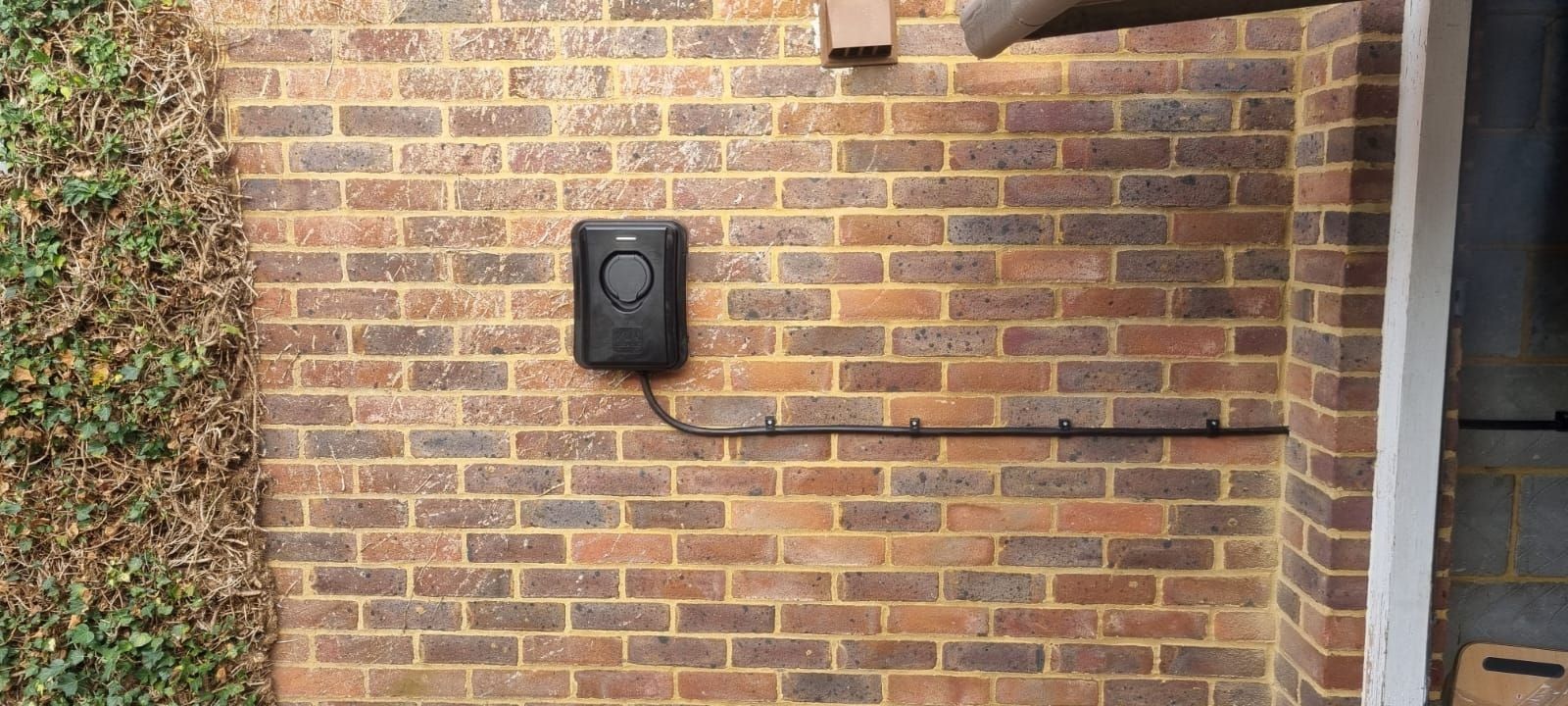
Charging an electric car in a Brighton terrace: the public network, and the home-charger cases
Over 1,000 public chargepoints, 86% of residents without off-street parking within a three-minute walk — and when a Brighton house can have its own.
Read it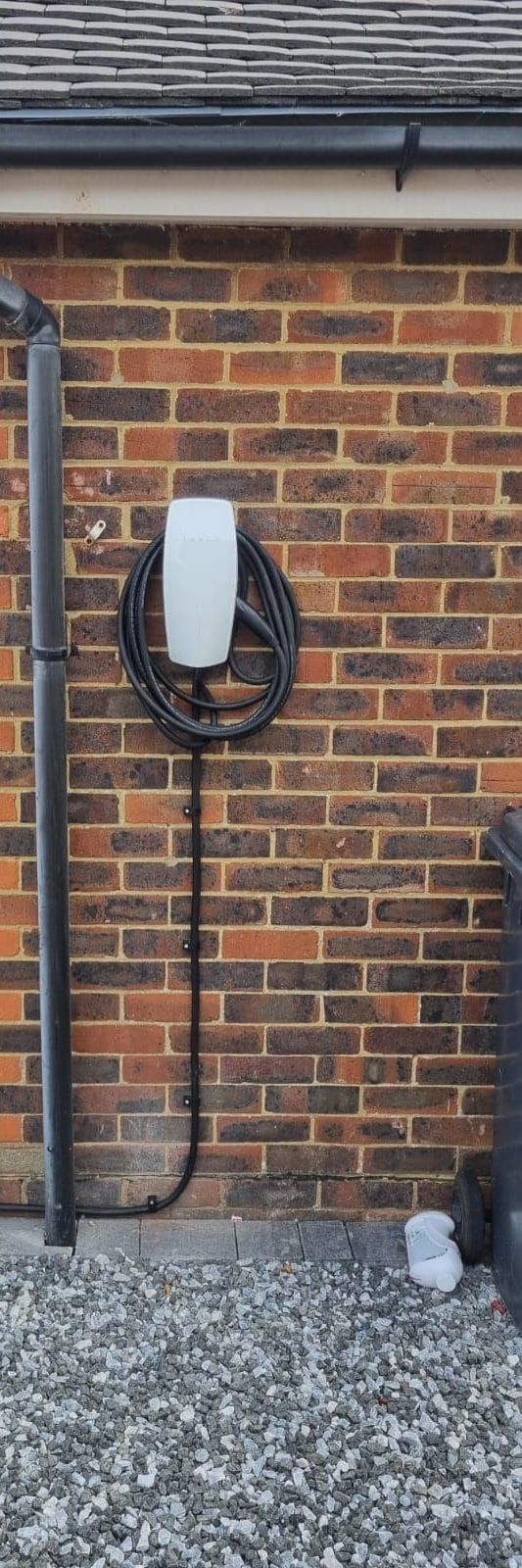
EV charger installation in Surrey: the rollout, the cable-gully rule and what a home charger needs
What Surrey has built and banned — 200-plus public sockets, no cables across the pavement — and what a home charger on the Surrey edge involves.
Read it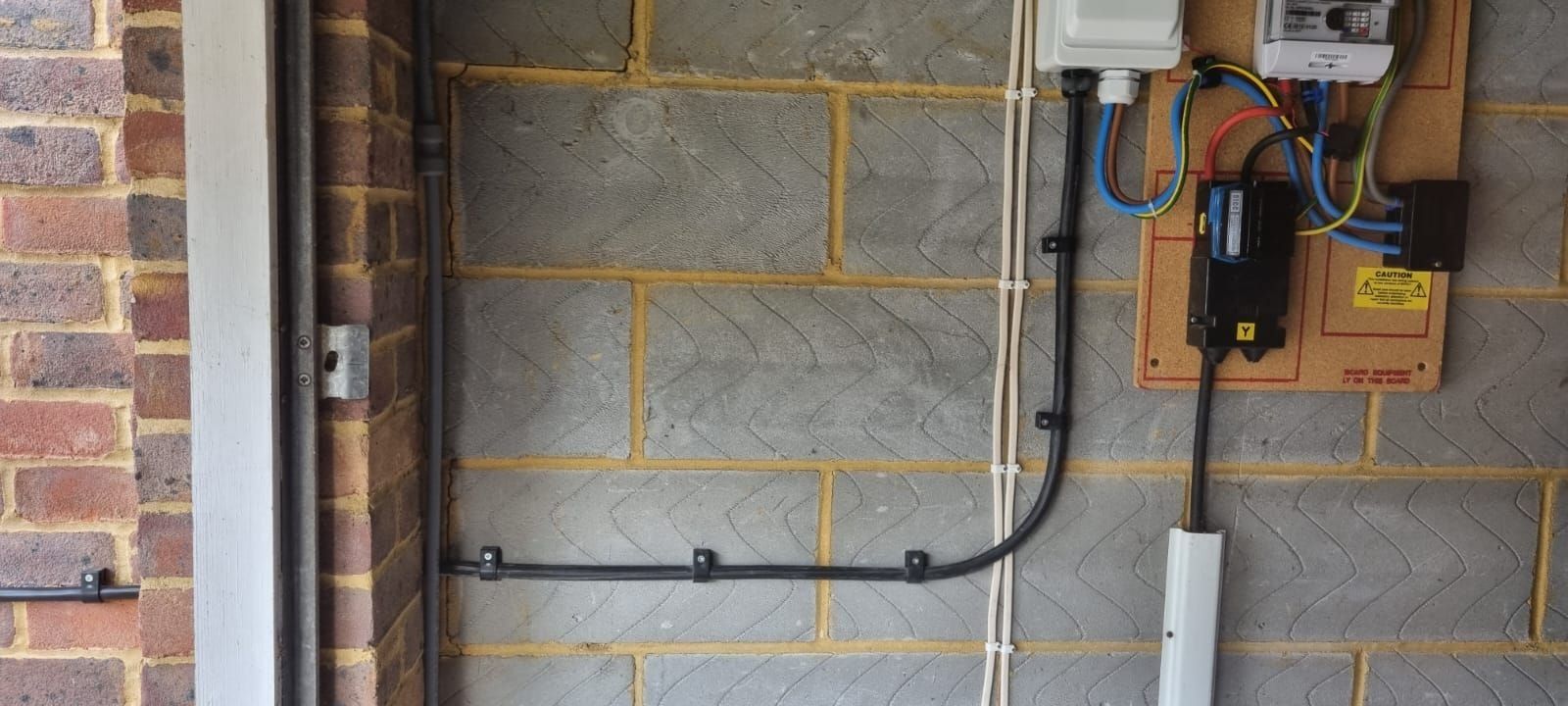
A home charger in a Worthing terrace: parking, the supply and the grant
Three Worthing houses — a semi with a drive, a terrace with a rear space, a terrace on the street — and what each can do about charging a car at home.
Read it