

Buying
How accurate is a solar panel cost calculator?
What an online solar cost calculator can genuinely work out from your bill, where it is guessing, and the five things only a survey can price.
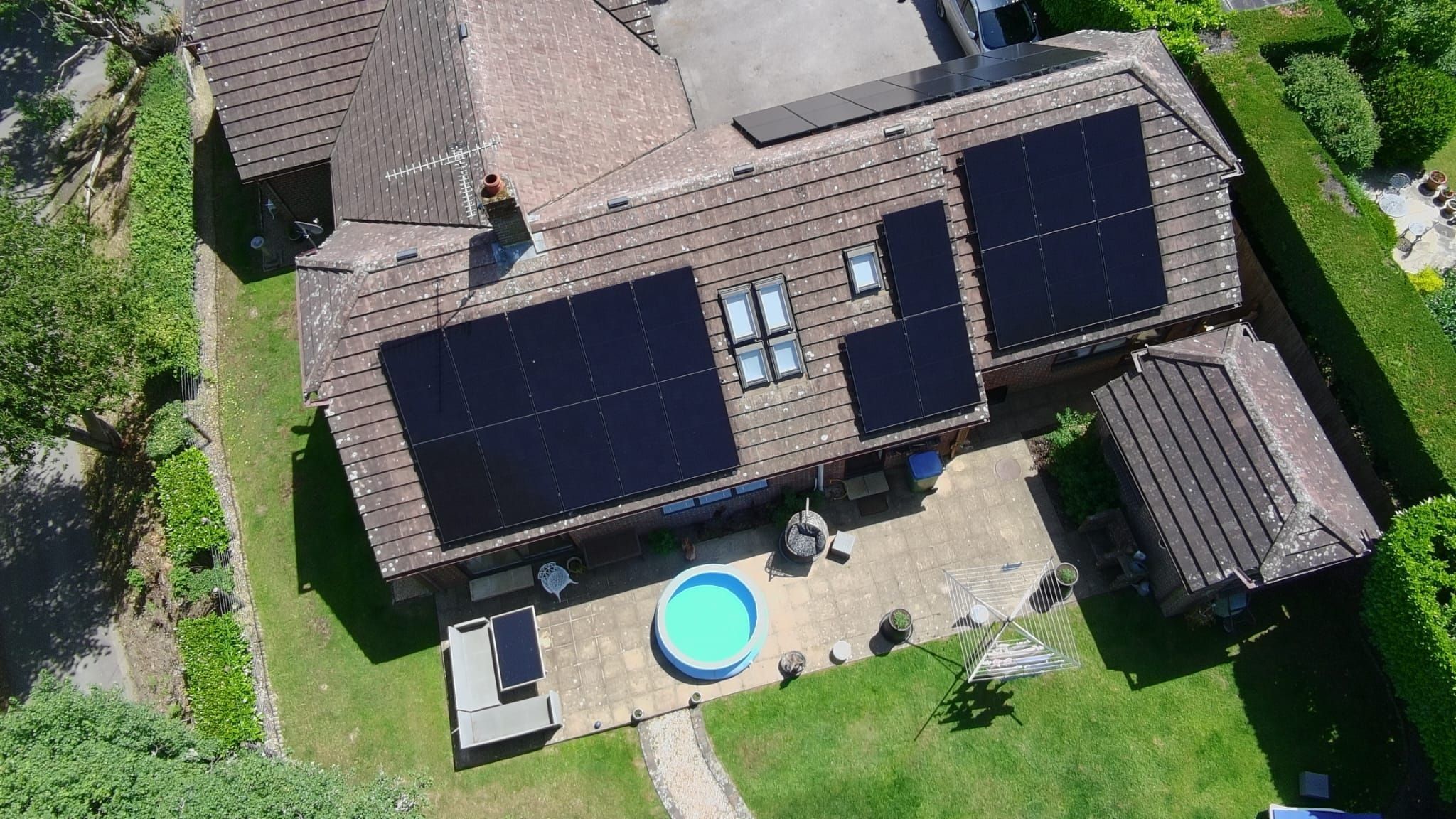
Two slopes, two orientations, one roof. A calculator sees one number; a surveyor sees this.
Every solar website now has a calculator, including ours. Before you trust any of them, including ours, it is worth knowing what the thing is actually doing.
What a calculator genuinely knows
It knows what you tell it. On our solar panel cost calculator that is your monthly bill, the kind of house, and whether you want a battery or a car charger in the picture. From the bill it works back to a yearly consumption using a published unit rate and standing charge. From the consumption and the roof type it proposes a system size. From the size it applies a yield figure for this part of the country, a self-use assumption, and an export rate, and out comes a saving and a payback.
Every one of those constants is printed on our page, on purpose. If you cannot find the assumptions behind a calculator, the number it gives you is a marketing figure with a progress bar.
What it is guessing
The honest list is long, and it is the same list for every calculator on the internet.
- Orientation and pitch. A south-facing 35-degree roof and an east-west split of the same size do not produce the same energy. The calculator assumes one; your roof is the other.
- Shading. A single chimney or a neighbour’s tree in December can take a corner of the array out for the hours that matter. No bill-based model can see it.
- The roof itself. Clay peg tile, slate and Horsham stone take longer to work on than modern concrete tile and need different fixings. The covering changes the labour before a panel is ordered.
- Access. Scaffold is the largest variable after the equipment. A bungalow with a drive in Burgess Hill and a three-storey terrace on a Worthing bus route are not the same job.
- The electrics. Where the consumer unit is, its age, and how far the cable has to travel from the loft all move the price and sometimes the design.
- The battery wall. Since April 2026 the wiring regulations require home batteries to be installed to a fire-safety specification that governs the location and clearances. Whether your preferred spot qualifies is not a thing a web form can answer.
A national yardstick, so you are not comparing against nothing
The most useful public number is not from an installer. The Energy Saving Trust’s solar advice page, read on 6 October 2026, puts the cost of an average home solar panel system at around £7,600 to install, describes a 4.5 kWp system as typically twelve panels covering 20 to 30 square metres, and publishes a city-by-city payback table based on July 2026 fuel prices. That is the centre of the range. A quote well below it deserves the question “what has been left out”, and a quote well above it deserves the question “what is in it that I did not ask for”.
How to use ours
Use it the way we do: as the opening line of a conversation. Put your real bill in, see what size of system the model thinks your consumption justifies, switch the battery on and off and watch what it does to the payback, and then book the survey. The surveyor’s figure will differ from the calculator’s. When it differs a lot, the reasons will be on the list above, and they will be explained to you on your own drive rather than in a tooltip.
The one thing a calculator should never do
It should never ask for your phone number before it shows you the answer. Ours does not. If a calculator makes you hand over your details to see a number, the product is your details, not the number.
If you want to see the gap between our cautious figure and the official one on a real roof, solar panel cost in Surrey and solar panel cost in East Sussex put the PVGIS yield for Dorking and Lewes beside the MCS figure the calculator uses, with the working shown.
More from the blog
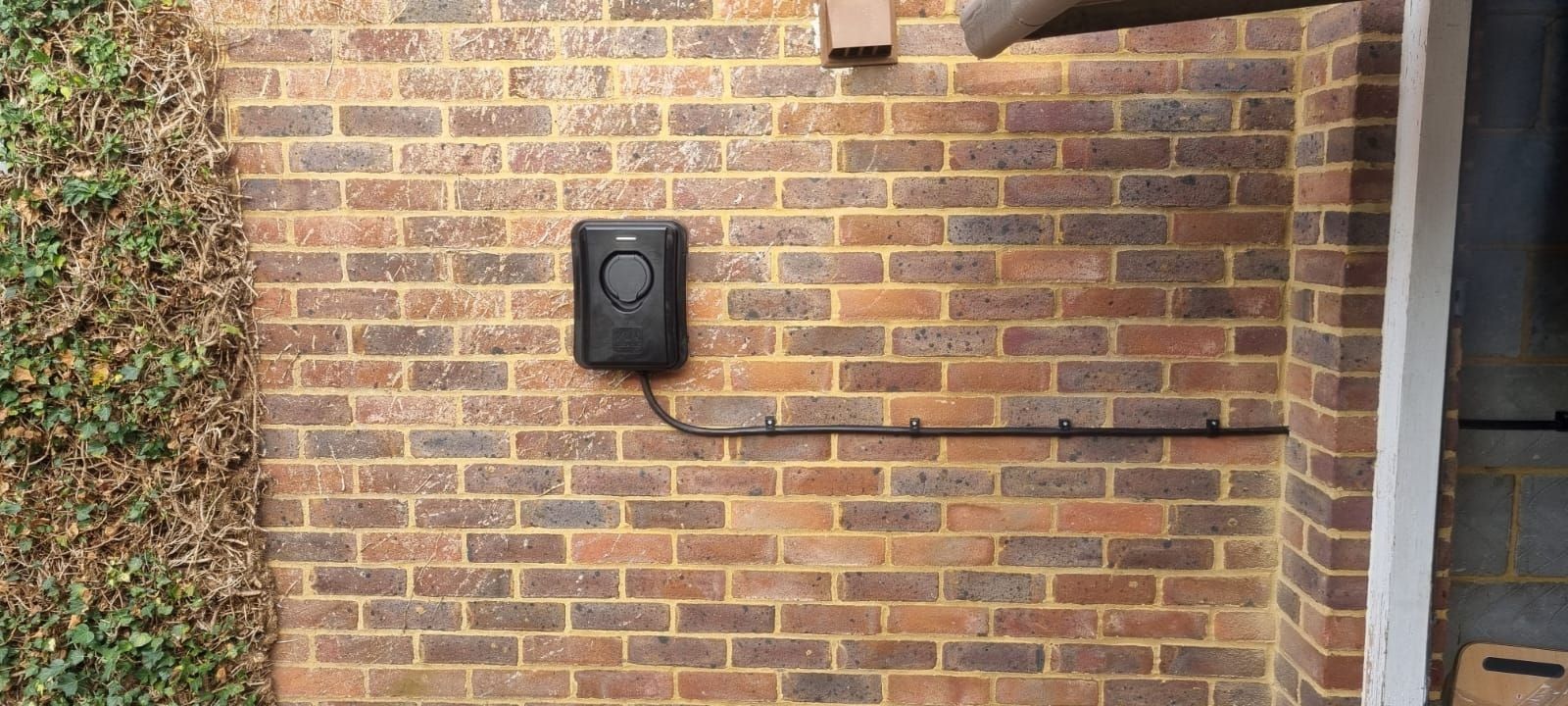
Charging an electric car in a Brighton terrace: the public network, and the home-charger cases
Over 1,000 public chargepoints, 86% of residents without off-street parking within a three-minute walk — and when a Brighton house can have its own.
Read it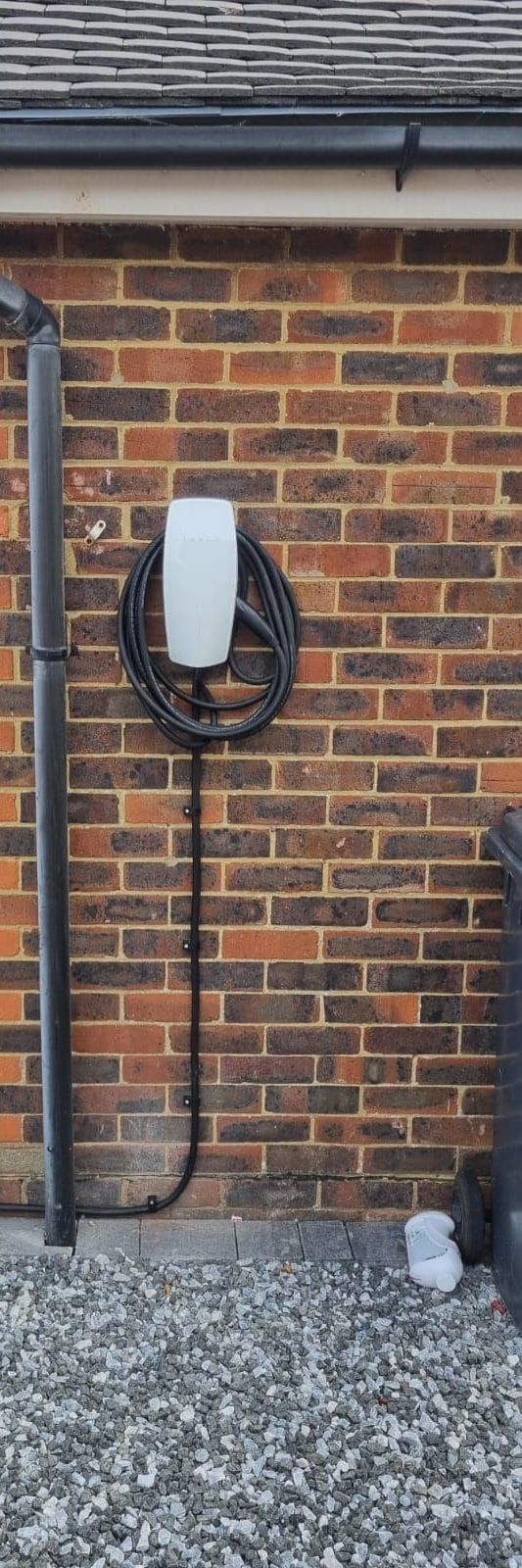
EV charger installation in Surrey: the rollout, the cable-gully rule and what a home charger needs
What Surrey has built and banned — 200-plus public sockets, no cables across the pavement — and what a home charger on the Surrey edge involves.
Read it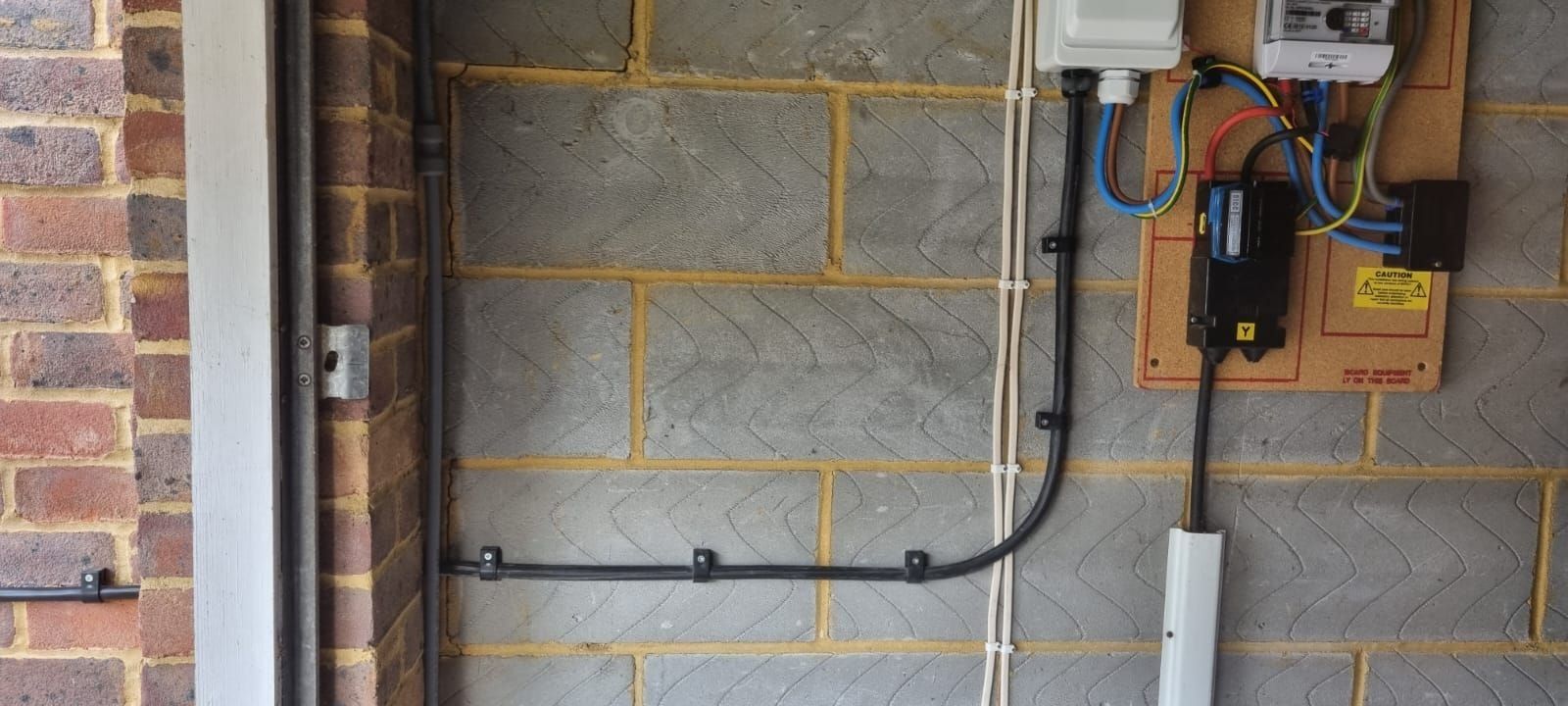
A home charger in a Worthing terrace: parking, the supply and the grant
Three Worthing houses — a semi with a drive, a terrace with a rear space, a terrace on the street — and what each can do about charging a car at home.
Read it