

Local
Horsham stone, flint and the Sussex roof problem
Some local roofs make solar straightforward. Others need a different conversation entirely. A survey-level guide to what we find on West Sussex roofs.
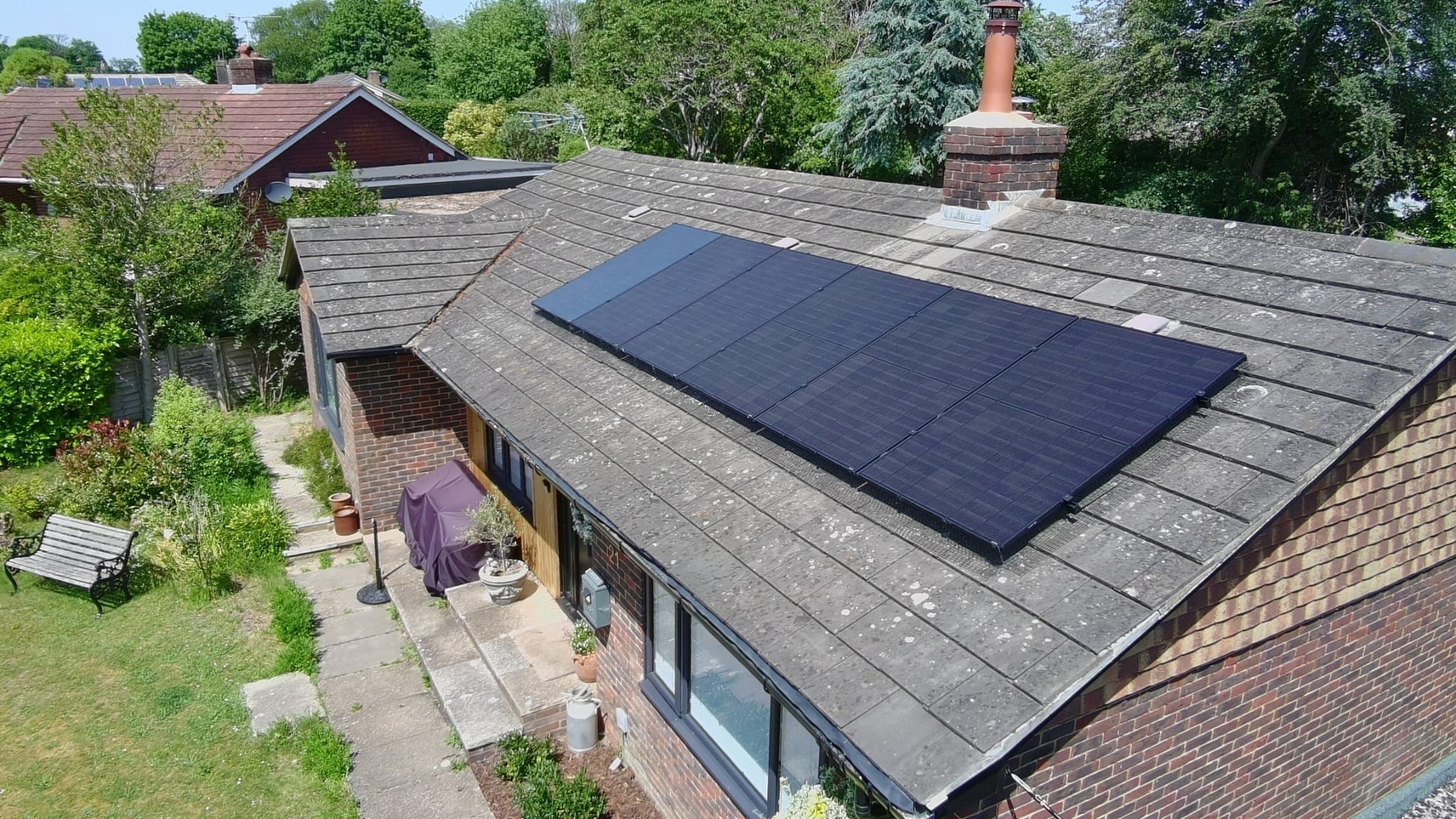
An all-black array on a tiled bungalow roof. What the covering is decides how it is fixed.
Most of the country has two or three common roof coverings. West Sussex has rather more, and a few of them will change what an array costs before a single panel is ordered.
Horsham stone
Thick sandstone slabs, laid in diminishing courses, heavy enough that the roof structure was built specifically to carry them. You will find it across the Horsham district — which includes Washington, where we are based — and on plenty of period property further south.
It is a beautiful roof and a genuinely difficult one for solar. The slabs are brittle, irregular in thickness, and expensive to replace when one breaks. Standard tile hooks assume a regular batten spacing and a covering you can lift and re-lay. Neither assumption holds.
Sometimes the answer is a different fixing system. Often the honest answer is that the outbuilding, the garage or the modern extension is the better solar roof, and the main house should be left alone.
Clay peg tile and plain tile
The default across a lot of the county, and a good roof to work with. Plain tiles are small, so an array sits on a lot of individual tiles and the setting-out matters — rows want to align to the tile courses or the finished job looks subtly wrong in a way nobody can name.
The main thing we check is the state of the battens and the felt. A 25-year array on a roof with five years left in it is a false economy, and re-roofing under an existing array costs considerably more than doing it in the right order.
Slate
Common through Victorian Worthing, Brighton and the seafront terraces. Slate is thin, brittle and unforgiving of a badly placed hook, but a well-fitted slate array is one of the neatest things we do. It needs slate-specific hooks and someone who has done it before.
Flat roofs
Extensions, garages, and a good number of post-war properties. These are frequently the easiest wins on the whole house: a ballasted tray system sits on the covering with no penetrations at all, the panels can be angled and oriented exactly as you please rather than as the roof dictates, and there is no scaffolding conversation of the same order.
The only real question is whether the structure can take the ballast, which is a straightforward thing to establish.
Flint and the listed problem
Flint elevations usually mean an old building, and an old building often means listed, or in a conservation area, or both. That is not a no — it is a longer route with a consent application in it, and it is our job to know which before anything gets booked.
What this means for a quote
Every one of these changes the mounting system, the labour, or both. It is precisely why a price over the phone, before anyone has looked at your roof, is worth what you paid for it.
More from the blog
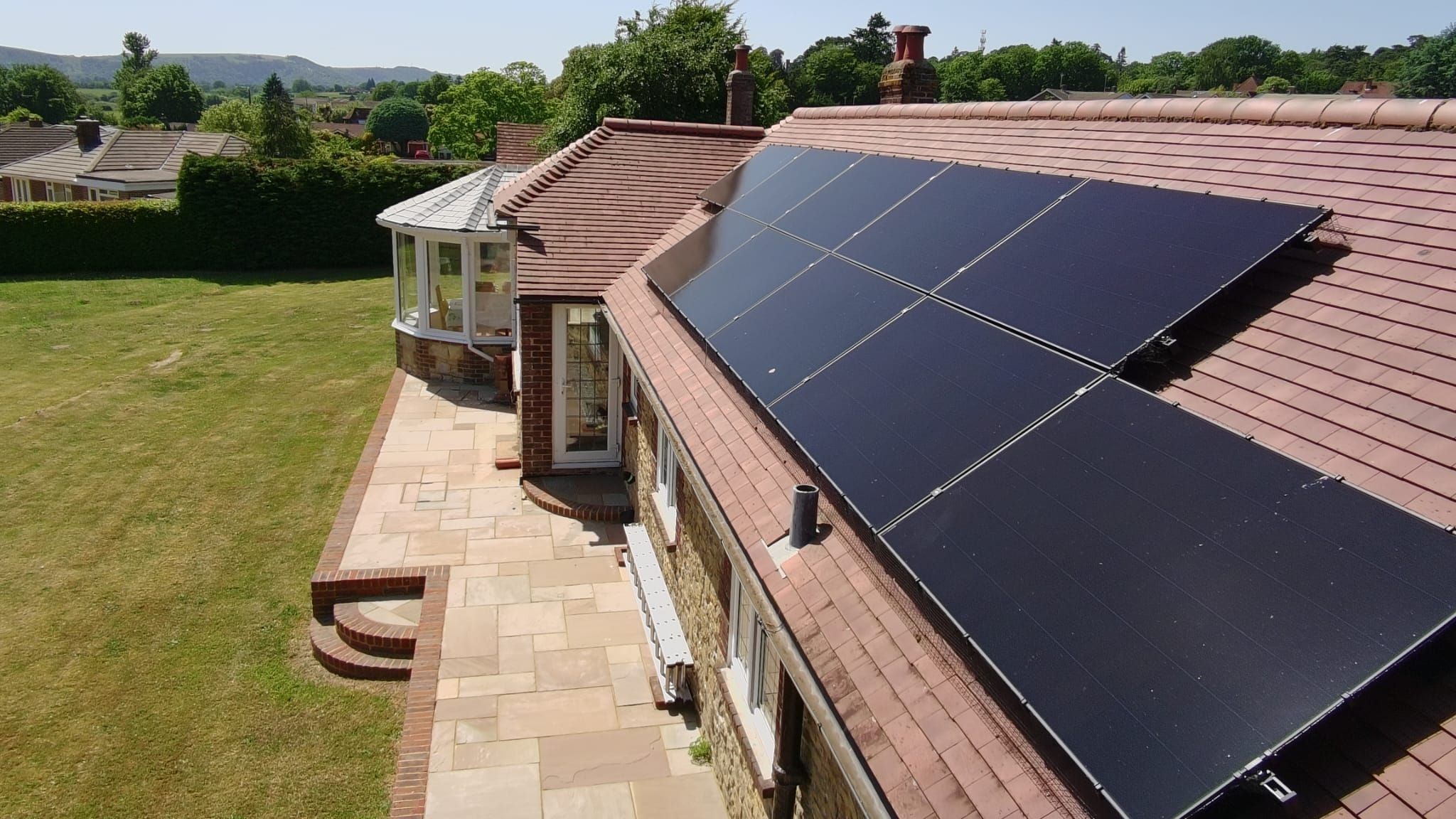
Why nearly every roof we do now is all-black
Black frames, black backsheets and why the silver grid disappeared from Sussex roofs. What you gain, what it costs, and when it isn't worth it.
Read it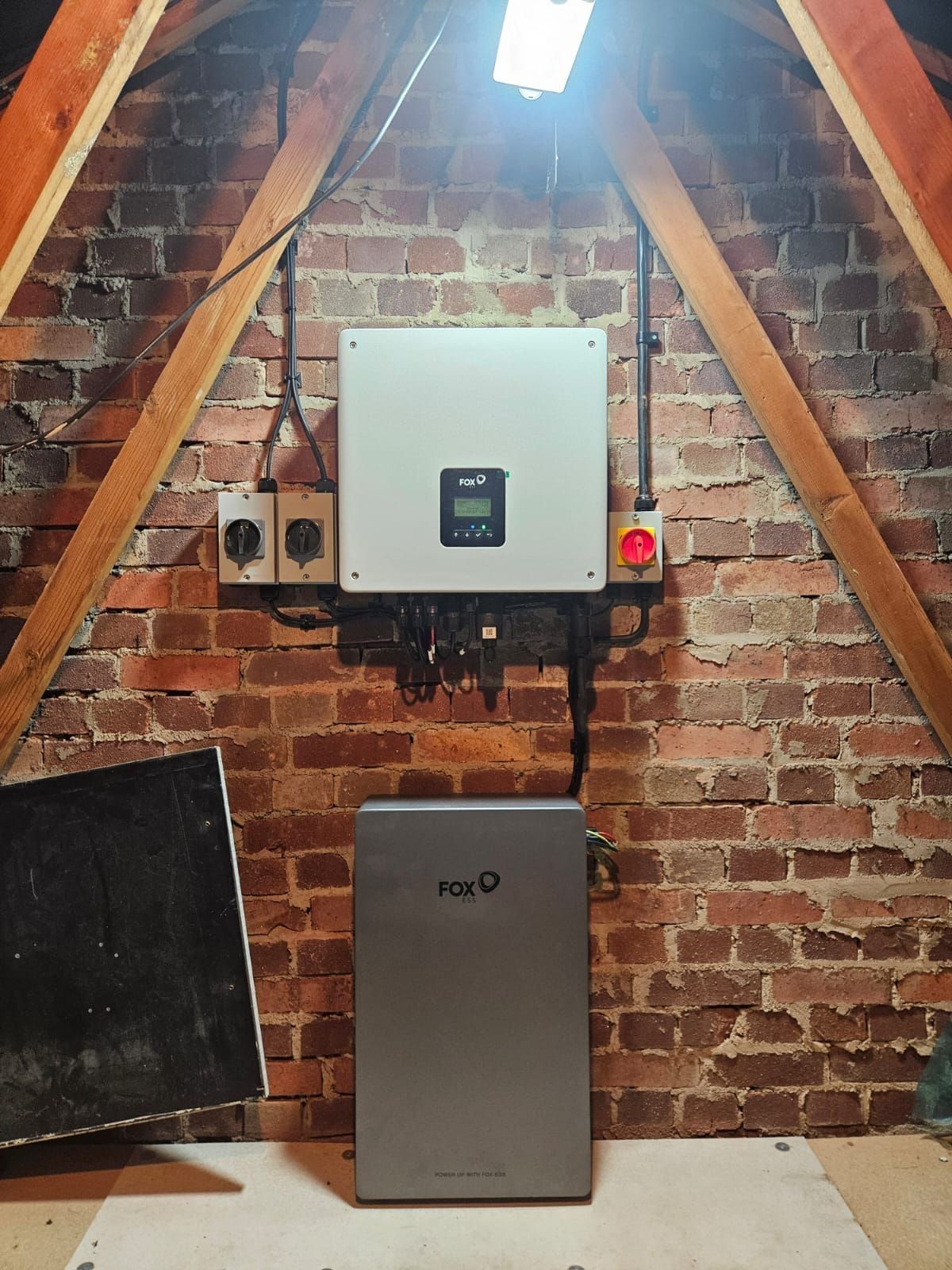
Is a battery worth it? The honest arithmetic
A battery roughly doubles how much of your own generation you use. Whether that pays depends on when your house is empty. Here is the arithmetic.
Read it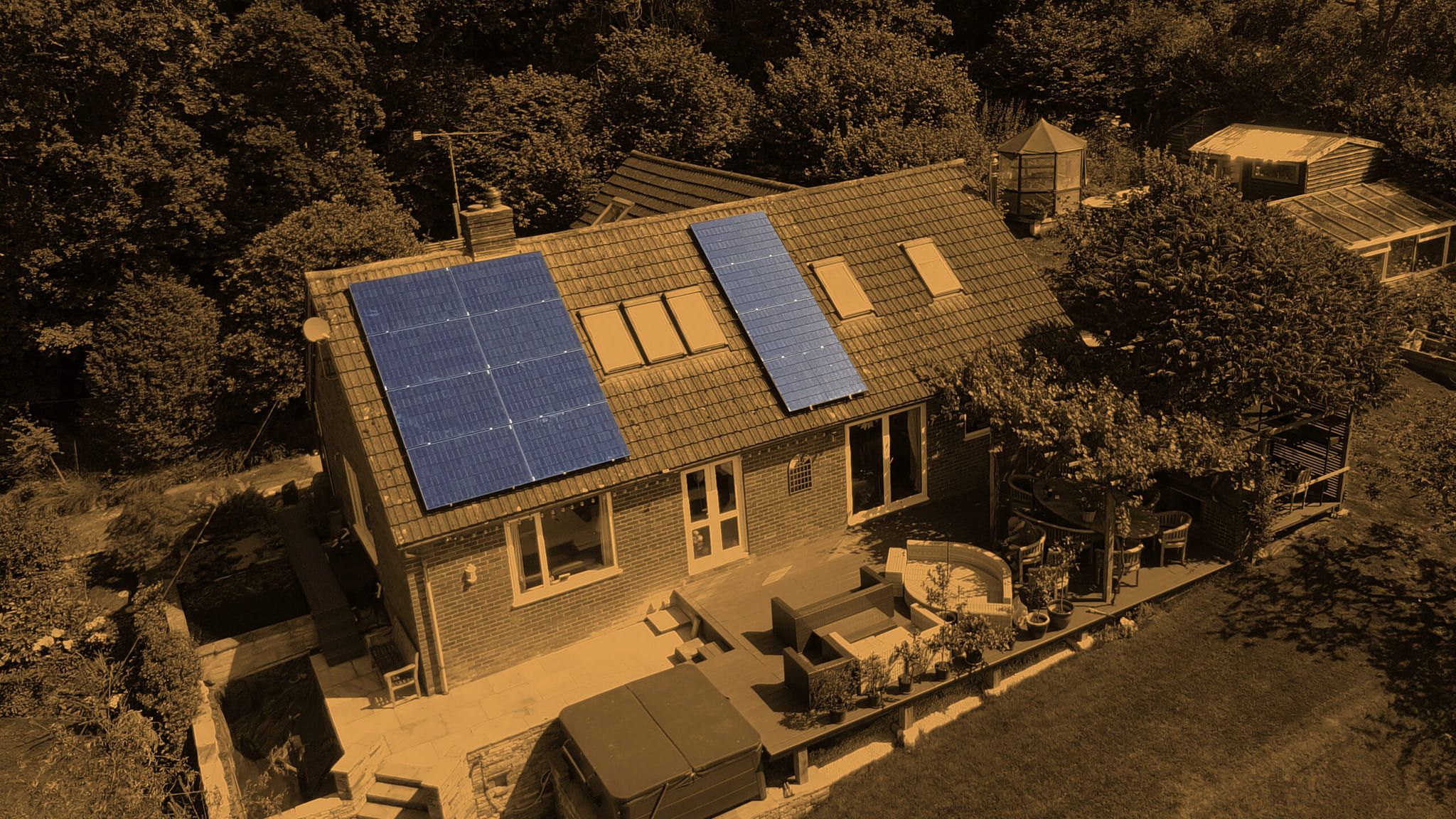
What solar actually does in a Sussex winter
Panels still generate on grey days — just less. What a West Sussex December really looks like on the app, and how to make the short days count.
Read it