

Getting started
What actually happens at a free solar survey
Thirty to forty-five minutes, a look at your roof and your fuse board, and a quote afterwards. No pressure, and sometimes the answer is no.
Most of what decides a good system happens before anything is ordered.
“Free survey” has been used to mean so many different things by so many different companies that it is worth saying plainly what ours is.
It is somebody coming to look at your house for thirty to forty-five minutes, at no cost, with nothing to sign at the end of it.
What we look at
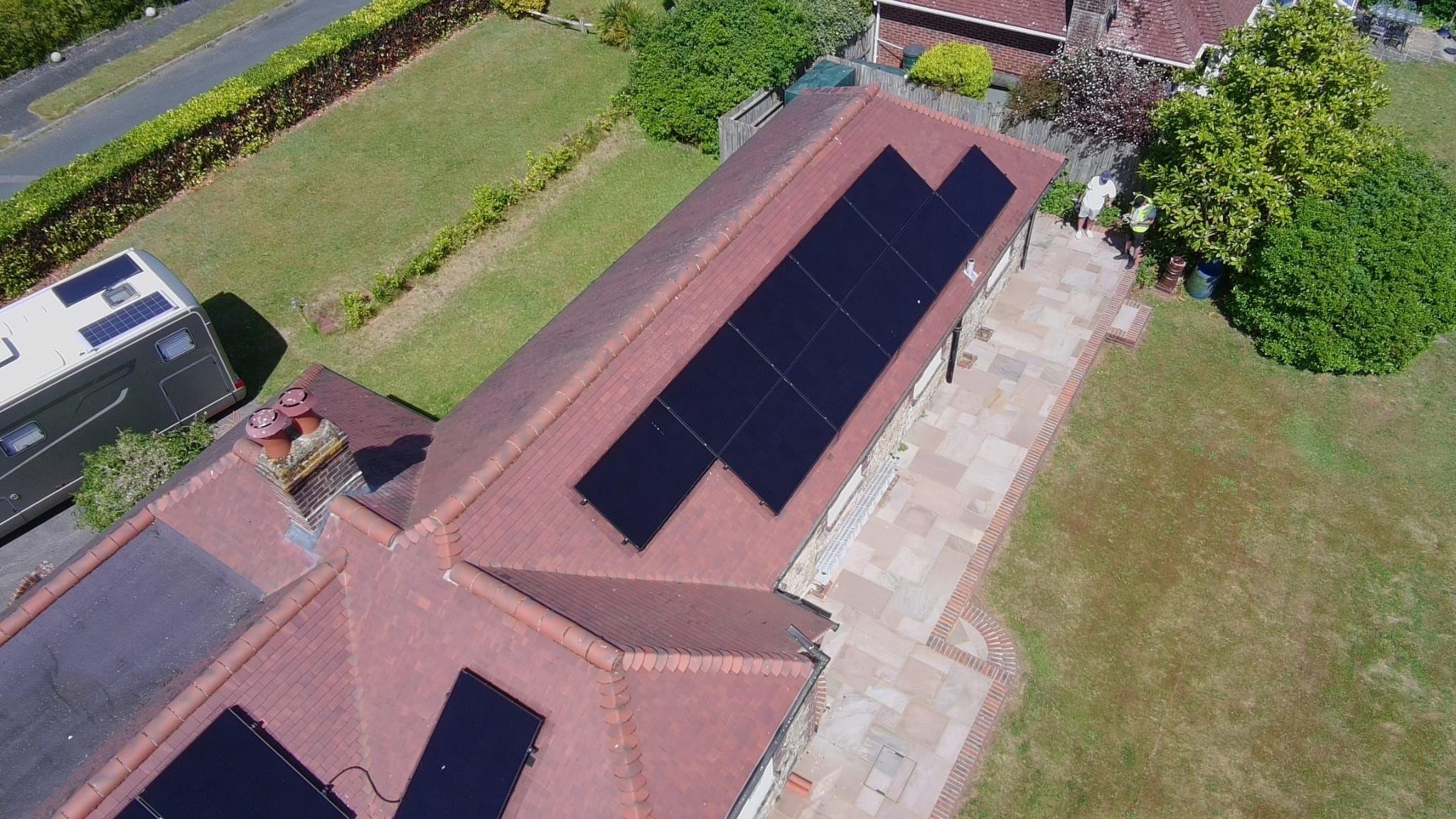
The roof. Pitch, orientation, the covering and its condition, the structure underneath, and how much genuinely usable area there is once you account for vents, dormers and the bits you cannot build up to.
The shading. Through the day and through the year. A chimney, a neighbour’s conifer, a telegraph pole. This is the single most under-modelled thing in the industry and it is the thing most likely to make a system underperform its brochure.
The electrics. Where the consumer unit is, what state it is in, what the incoming supply and earthing arrangement look like, and whether an inverter and possibly a battery have somewhere sensible to live — or, if the household wants the car charger in the same assembly, whether a Sigenergy stack has one good place to stand.
How you use the place. At home during the day or out until six. An electric car, or one being thought about. A hot tub nobody mentions until we ask. This decides the battery conversation entirely.
What we do not do
We do not bring a tablet with a price that expires at midnight. We do not quote in the hallway on the way out. We do not ask you to decide while we are standing in it.
You get a written quote afterwards, with the assumptions in it, so you can compare it properly against anyone else’s — and against the published figures: if you are on the Surrey or East Sussex edge of our patch, what a system costs in Surrey and what help exists in East Sussex are written out before anyone visits.
Sometimes the answer is no
Occasionally the honest outcome of a survey is that solar is not the right move for this house right now. The roof needs doing first. The shading is severe enough that the payback stops making sense, which our solar panel cost calculator can show you the shape of before anyone visits. The consumption is low enough that the numbers do not work.
We would rather say that than sell you something. It costs us an afternoon; it would cost you a great deal more.
How to get the most out of it
Have twelve months of electricity bills to hand if you can, or your account login. Know roughly when the house is empty. And ask the awkward questions — those are the ones worth the visit.
More from the blog
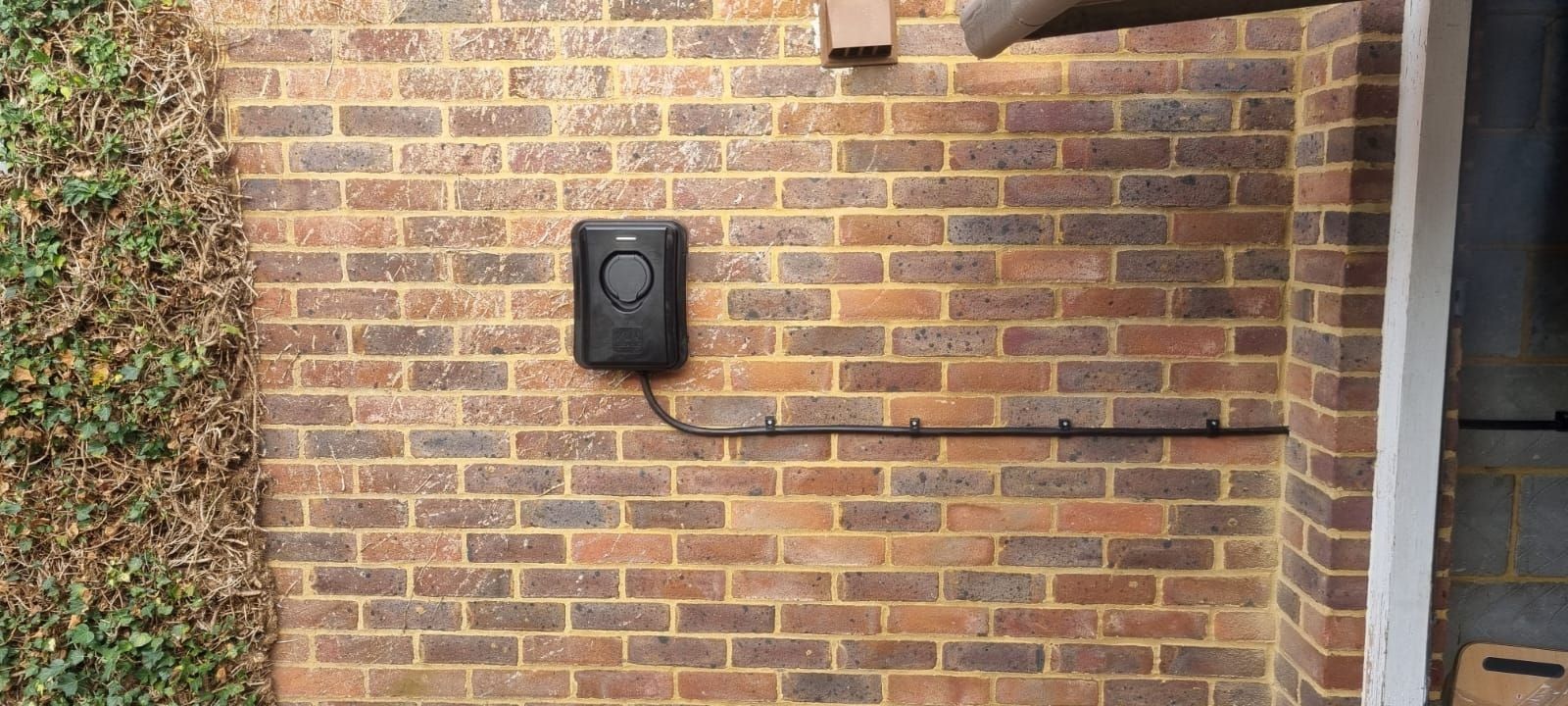
Charging an electric car in a Brighton terrace: the public network, and the home-charger cases
Over 1,000 public chargepoints, 86% of residents without off-street parking within a three-minute walk — and when a Brighton house can have its own.
Read it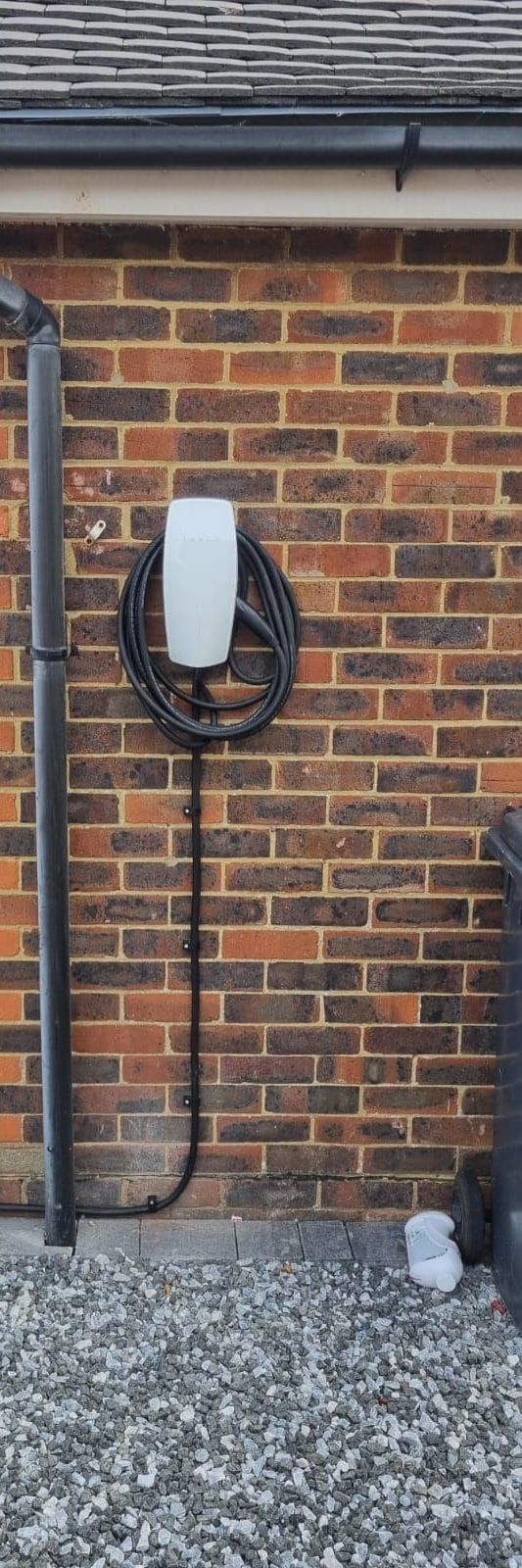
EV charger installation in Surrey: the rollout, the cable-gully rule and what a home charger needs
What Surrey has built and banned — 200-plus public sockets, no cables across the pavement — and what a home charger on the Surrey edge involves.
Read it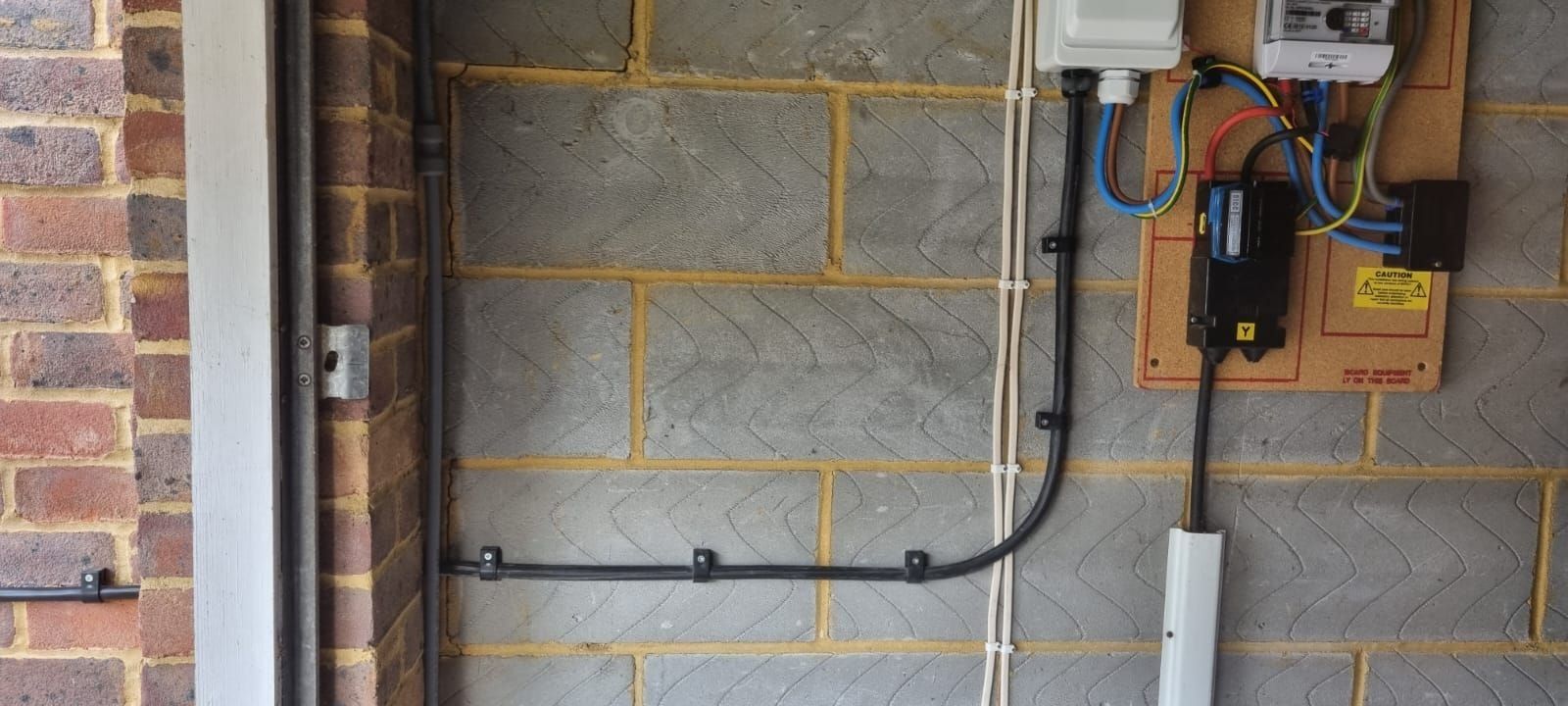
A home charger in a Worthing terrace: parking, the supply and the grant
Three Worthing houses — a semi with a drive, a terrace with a rear space, a terrace on the street — and what each can do about charging a car at home.
Read it