

Roofs
Solar panels in Brighton and Hove: terraces, conservation areas and the flat-roof rule
Brighton and Hove is the hardest roofscape on this coast for solar: the planning rule that applies in its conservation areas, and when a flat roof wins.
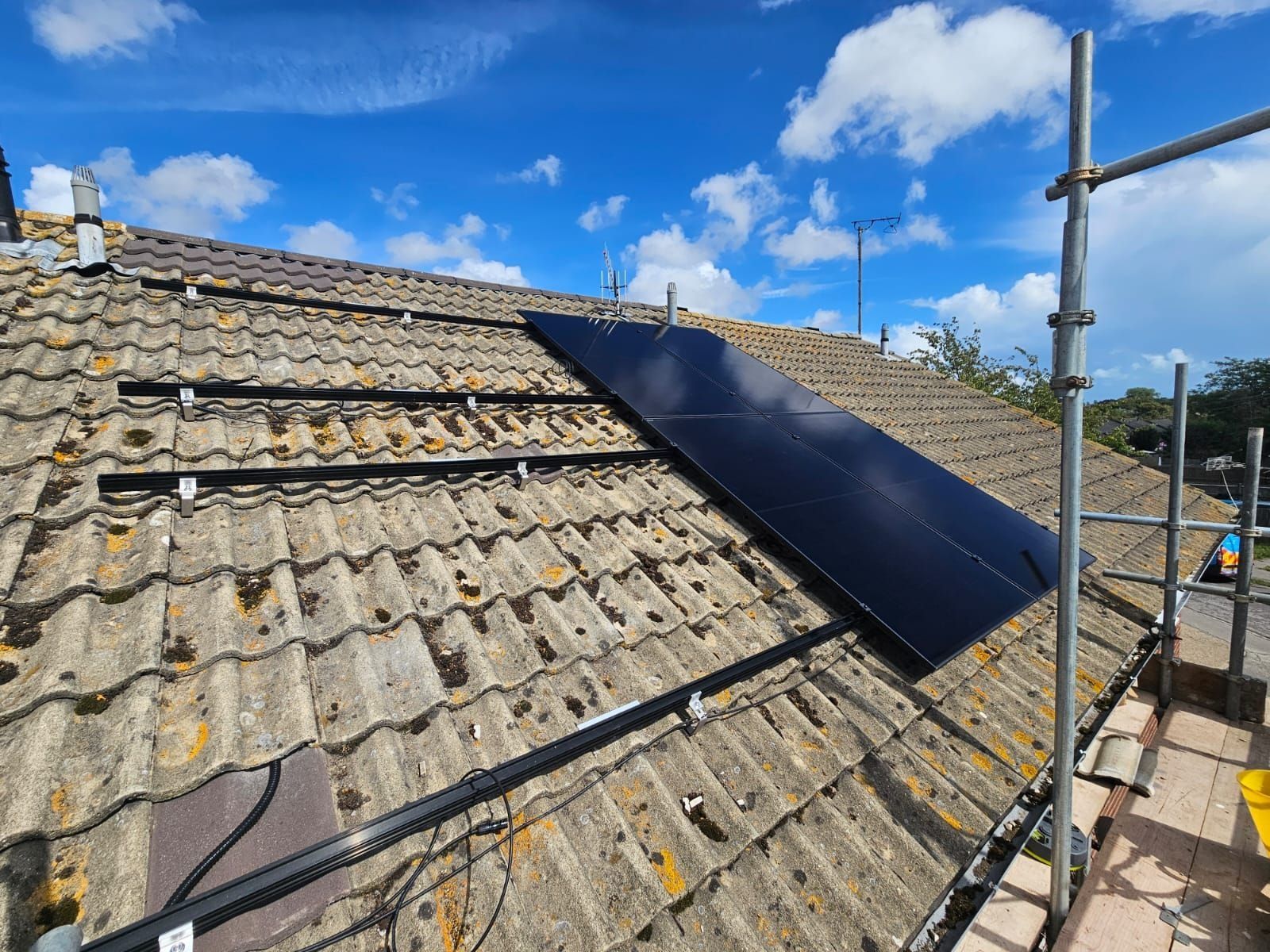
Rails going on. In Brighton the rear slope and the flat roof do most of the work.
Brighton and Hove is the biggest roofscape on this stretch of coast and the most complicated one. Seventeen road miles east of our Washington base along the A283 and A27, it is dense, steep in places, listed in others and windy everywhere. These are the four things that decide a solar design there.
The terraces
Much of the city’s housing is Regency and Victorian terrace, three and four storeys, with slate at a shallow pitch and parapets or bay projections exactly where an array would like to sit. On those streets the front slope is rarely the answer. The rear slope, a two-storey back addition or a flat roof usually does the work, and the scaffold plan matters as much as the panel count.
The conservation areas, and the rule that actually applies
Brighton and Hove has more than thirty conservation areas, and the council’s own conservation pages carry guidance on solar panels inside them. The assumption people arrive with is that panels in a conservation area need planning permission. Under the national permitted-development rules, panels on a roof slope of a house usually do not, even on a street-facing slope.
What the regulations exclude in a conservation area is a panel on a wall, balcony or roof enclosure fronting a highway. And there is a second rule that matters more in Brighton than almost anywhere else: since December 2023 a flat-roof array on that kind of designated land needs prior approval from the council before it goes up. Given how much of the city’s solar ends up on flat roofs, that is the rule to know. A listed house, and the Regency squares hold a great many, sits outside the permitted-development class entirely and needs listed building consent. An Article 4 direction can remove roof rights in a specific area, so we check the address against the council’s maps before the survey and put the answer in writing.
The weather
The city faces the Channel. Wind loading on an exposed roof is a design input, not a footnote, and salt in the air within a mile of the front corrodes anything that was not specified for it. We specify marine-grade fixings and clamps as standard on coastal jobs rather than as an upgrade, and on a flat roof a ballasted system has to be weighted for the exposure of that roof, not for a catalogue average.
The council
Brighton and Hove City Council runs a Net Zero programme with a citywide energy study behind it and a strategic energy partnership under exploration, and its pages on low-carbon energy for homes are a sensible place to start reading. None of that changes the physics of your roof, but it does mean the planning department has seen a great deal of solar and knows the rules above as well as we do.
When a flat roof is the honest answer
Often. A ballasted flat-roof array on a back addition or a garage can out-produce a shaded front slope, needs no holes in the roof covering, and keeps the street elevation untouched, which is what the conservation officer wants anyway. It needs the prior-approval step on designated land, which we handle, and it needs a roof that can take the ballast, which the survey checks.
Our page on solar panels in Brighton goes through the city’s roofs, the planning position, the network operator and what we take into account before a quote. The survey is free, and in Brighton it is the only way to price a job honestly.
More from the blog
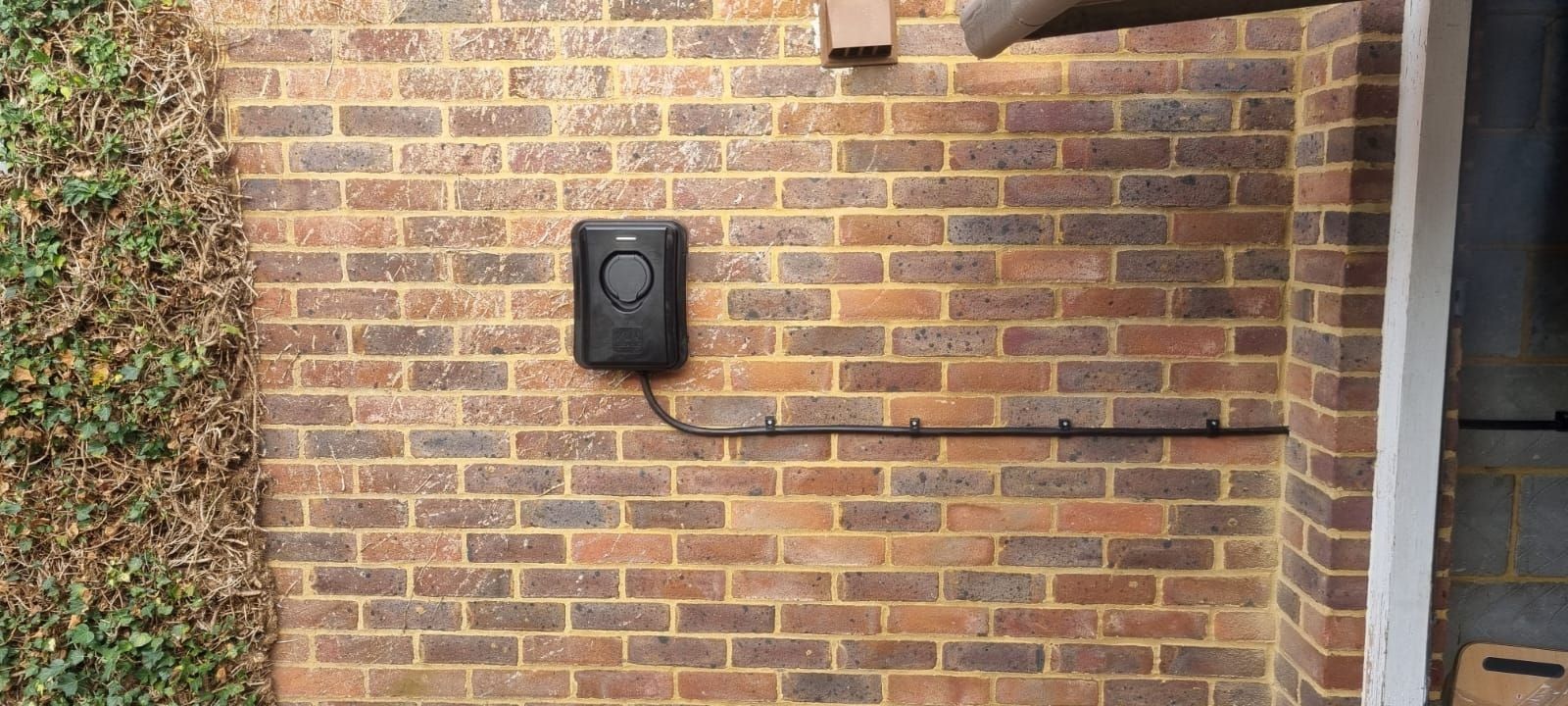
Charging an electric car in a Brighton terrace: the public network, and the home-charger cases
Over 1,000 public chargepoints, 86% of residents without off-street parking within a three-minute walk — and when a Brighton house can have its own.
Read it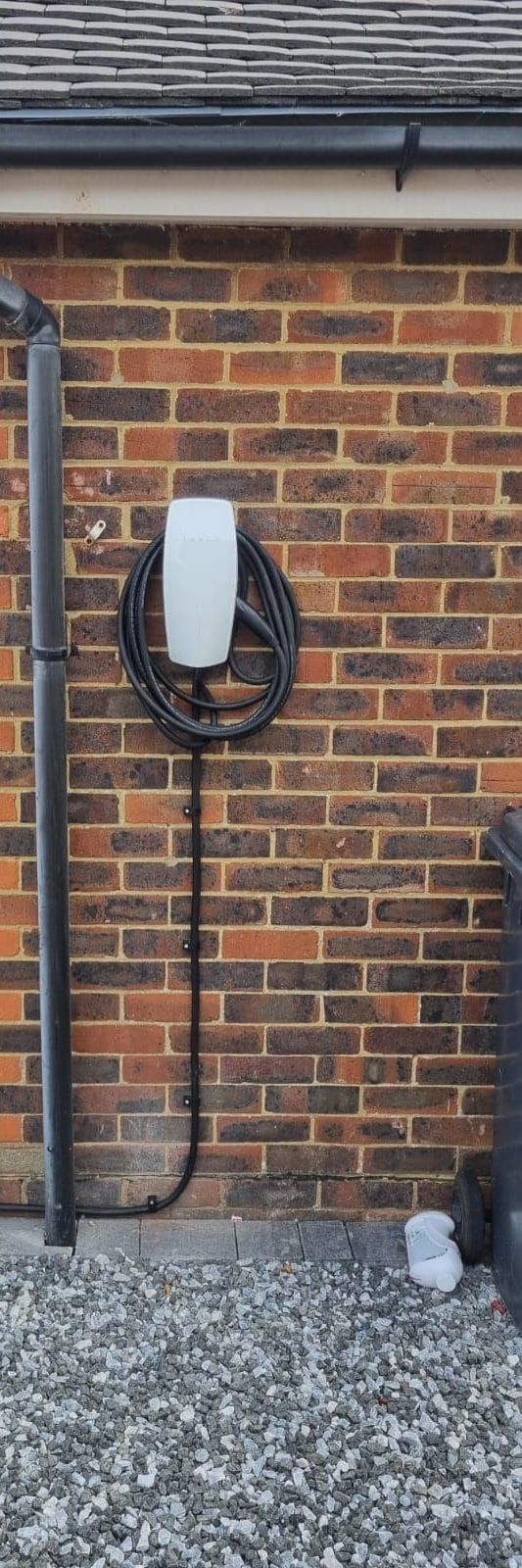
EV charger installation in Surrey: the rollout, the cable-gully rule and what a home charger needs
What Surrey has built and banned — 200-plus public sockets, no cables across the pavement — and what a home charger on the Surrey edge involves.
Read it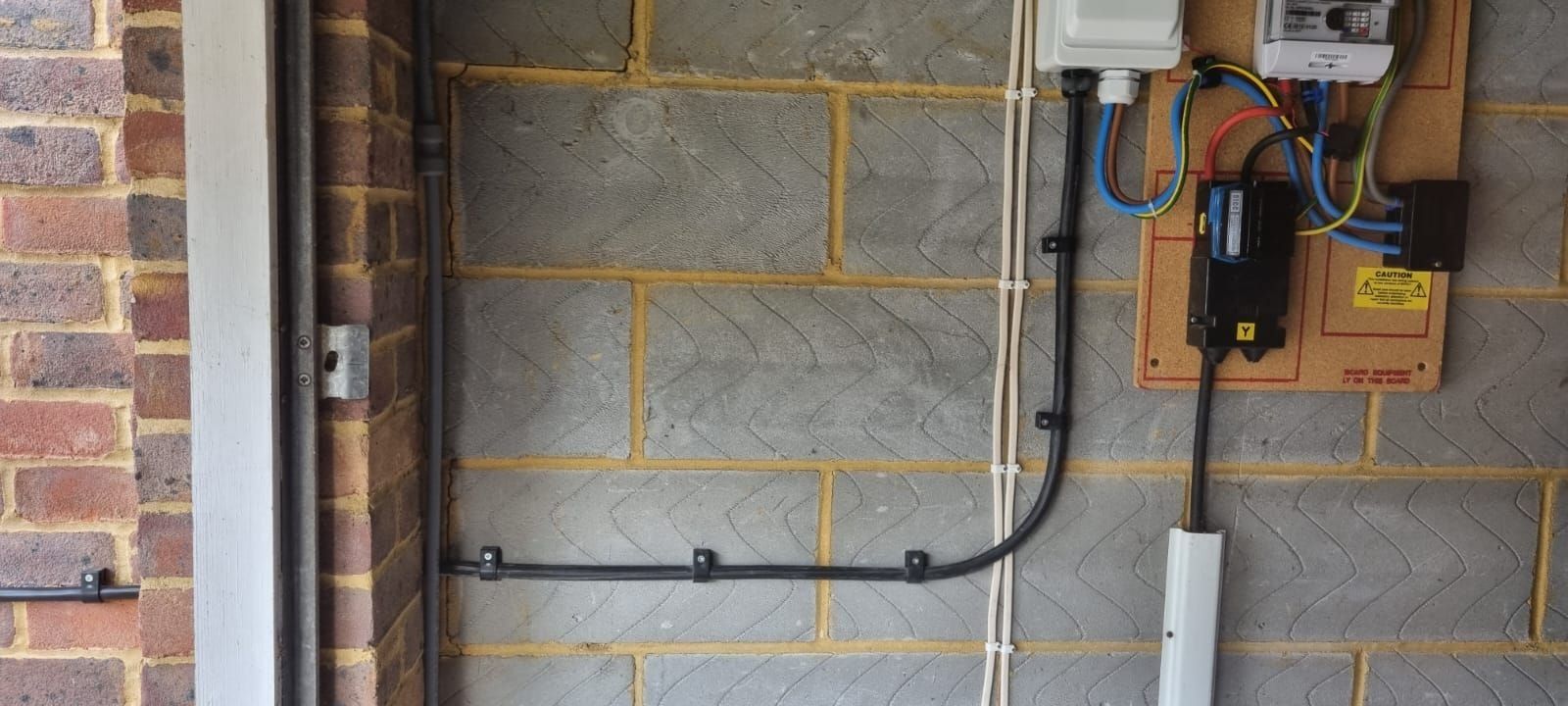
A home charger in a Worthing terrace: parking, the supply and the grant
Three Worthing houses — a semi with a drive, a terrace with a rear space, a terrace on the street — and what each can do about charging a car at home.
Read it